
Blooming
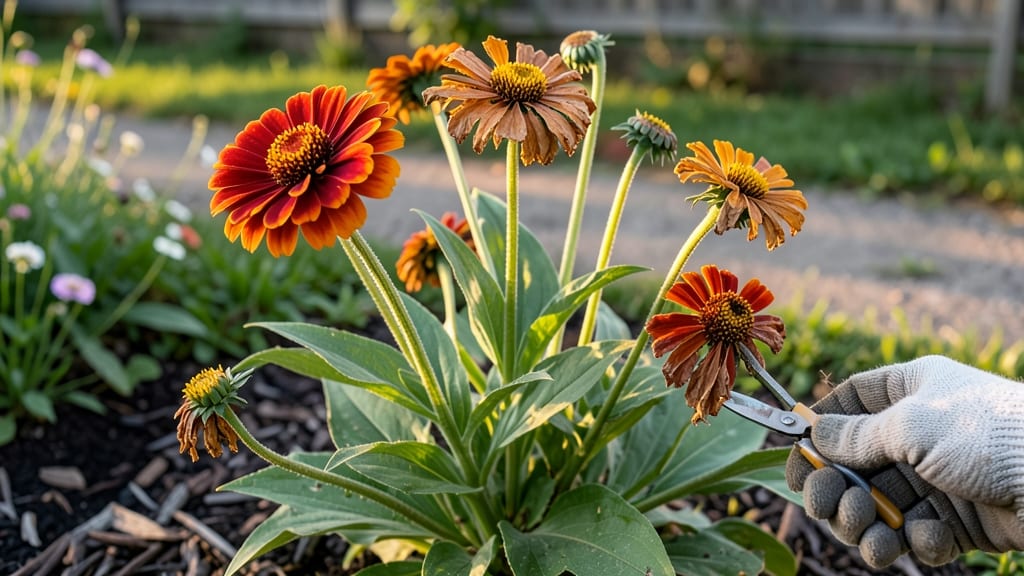
Yes, zinnias bloom more than once when you deadhead them regularly, which stimulates fresh flower growth and keeps them blooming all season long.
Deadheading—removing spent blooms—triggers zinnias to produce new flowers by redirecting their energy away from seed development. 🌸 This simple technique prevents the plant from wasting resources on seed pods, which would otherwise signal the end of the blooming cycle.
I've seen zinnias continue flowering for months when deadheaded consistently, especially in warm climates where they thrive.
For best results, pinch or cut back to the first set of healthy leaves after the bloom fades. Use clean pruners or your fingers to avoid damaging stems, and always deadhead in the morning when flowers are dry.
This practice works for both annual and perennial varieties, though annuals typically respond more vigorously.
💡 In This Article
- How Deadheading Zinnias Promotes Repeated Blooming
- Best Practices for Maximizing Zinnia Reblooms
How deadheading zinnias promotes repeated blooming
Deadheading works because zinnias, like many flowering plants, follow a natural cycle where energy shifts from blooming to seed production once flowers fade. When you remove spent blooms, you're essentially tricking the plant into thinking it hasn't completed its reproductive cycle yet.
This interrupts the hormonal signals that would otherwise trigger seed formation and halt new growth. The plant's energy stays focused on producing fresh buds instead of developing seed pods, which can weigh down stems and drain nutrients.
The key biological mechanism involves auxins and cytokinins—two plant hormones that regulate growth. When a zinnia flower wilts, it begins producing more auxin, which promotes seed development and reduces lateral bud growth.
By removing the spent bloom, you lower auxin levels in that area, allowing cytokinins (which stimulate cell division and new bud formation) to dominate. This hormonal shift is what kickstarts the production of new flowers within 2-4 weeks, depending on the variety and growing conditions.
Timing matters more than you might think. Deadhead zinnias when the blooms are fully open but just starting to fade—usually in the morning after dew has dried. This gives the plant a full day to recover before nightfall, when metabolic processes slow down.
If you wait until flowers are completely brown or seeds are forming, you've missed the optimal window. For annual zinnias, this process can keep them blooming for 4-6 months with consistent care, while perennials may rebloom more modestly but with greater longevity in subsequent seasons.
What most gardeners don't realize is how deadheading affects the plant's overall structure. Each spent bloom removed prevents the formation of a seed head, which would otherwise divert up to 30% of the plant's energy reserves toward seed production.
This energy redirection is what allows zinnias to produce 2-3 times more flowers than they would without deadheading. The visual difference is striking—plants that aren't deadheaded often develop leggy growth with fewer blooms, while properly maintained zinnias stay compact and floriferous.
Consider this comparison: A single zinnia plant left to go to seed might produce 50-60 flowers over its lifetime, while the same plant deadheaded regularly can yield 200-300 flowers.
The secret lies in the plant's ability to continuously produce lateral buds along its stems when not distracted by seed development. This is why professional florists and gardeners swear by deadheading—it's not just about looks, but about maximizing the plant's natural productivity.
The science of reblooming also explains why some zinnia varieties respond better than others. Benary's Giant and Profusion series, for example, are bred specifically for continuous blooming and thrive with regular deadheading, while heirloom varieties may require more frequent attention.
The difference comes down to their genetic predisposition toward lateral bud formation versus seed production.