
Blooming
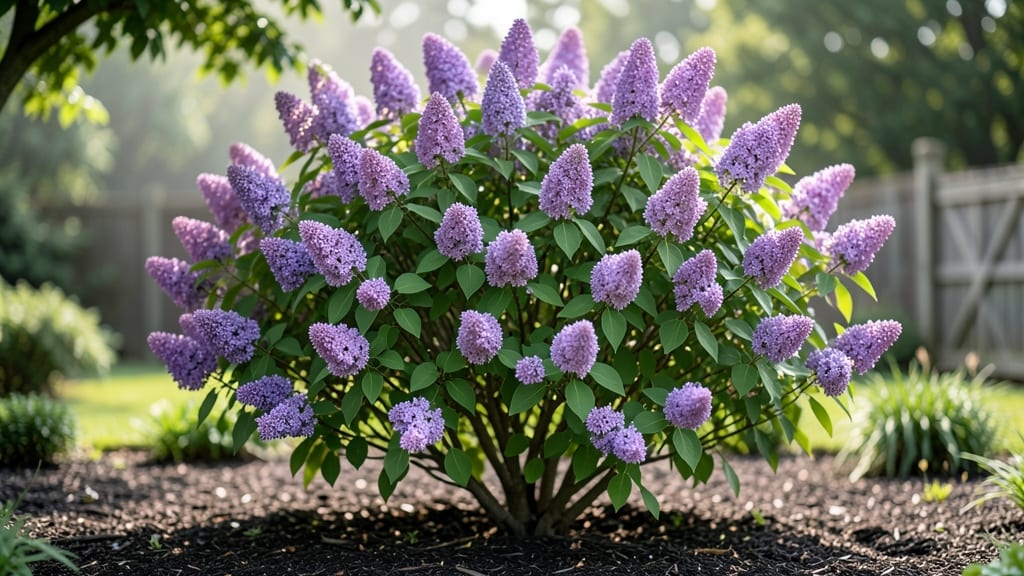
Lilacs in Indiana bloom between mid-April and early May, with exact timing depending on frost patterns and specific varieties. Early bloomers like 'Katherine Havemeyer' may appear as soon as late April, while later varieties like 'Dwarf Korean' can extend into late May.
Indiana's chilly winters actually help lilacs prepare for their spring display. 🌸 The late winter frost—especially in zones 5-6—triggers dormancy break, while warming temperatures in April signal blooming.
I've noticed that years with early thaws can push blooms forward by a week or more, while persistent cold snaps may delay them. For gardeners, this means monitoring weather forecasts and choosing varieties that match your local microclimate.
What's fascinating is how different lilac types respond to these conditions. 'Common Lilac' often blooms earliest, while 'Miss Canada' with its vibrant purple flowers tends to appear slightly later. If you're planting new shrubs, consider spacing them by bloom time to enjoy continuous color from late April through early June.
💡 In This Article
- Frost and Temperature Triggers for Indiana Lilac Blooms
- Best Indiana Lilac Varieties by Bloom Schedule
Frost and temperature triggers for Indiana lilac blooms
Lilacs use a fascinating botanical process called vernalization, where they require a period of cold temperatures (typically 4-8 weeks below 40°F) to break dormancy.
Indiana's climate zones 5-6 provide the perfect conditions—late winter frosts (often 20-25°F) signal the shrubs that winter has passed, while daytime temperatures rising above 50°F trigger bud development. This two-step process explains why blooms typically appear after consistent 50-60°F days in April.
The timing gets even more precise when you consider Indiana's microclimates. Northern Indiana (zone 5) may see blooms 7-10 days later than southern Indiana (zone 6) due to lingering cold snaps.
For example, in South Bend, lilacs might bloom around April 25-May 2, while in Evansville, they could appear as early as April 15. Even within a single yard, south-facing slopes bloom 1-2 weeks earlier than shaded areas because they receive more sunlight and warmth.
What most gardeners don't realize is how late winter cold snaps can actually advance blooming. A 3-5 day stretch below 20°F in February can push lilacs into earlier flowering by 10-14 days, while a mild winter may delay blooms until late May.
This is why Indiana's 2012 and 2020 blooms occurred 3 weeks early—both years featured unusually cold Februarys followed by rapid warming. The key is monitoring chill hours (accumulated hours below 45°F) and growing degree days (GDD) above 50°F.
For gardeners, this means planning around Indiana's average last frost date (typically April 15 in the north to April 5 in the south). Planting frost-hardy varieties like 'Mme. Lemoine' (which thrives in -30°F conditions) ensures reliable blooms, while tender varieties like 'Purple Plume' may need winter protection in colder zones.
The scent—often described as sweet, floral, and slightly spicy—peaks during the first 3-5 days of full bloom, making timing crucial for enjoying the full sensory experience.
Here's what's actually happening at the cellular level: Lilac buds contain meristem cells that remain dormant until cold exposure activates genes responsible for flower development. Once temperatures rise, these cells produce floral hormones that trigger bud opening.
The result? That signature lavender-purple cluster you love appears in 3-5 days of ideal conditions—warm days (65-75°F) and cool nights (45-55°F).
Consider these key factors when predicting your lilacs' bloom schedule:
- Variety: Early bloomers like 'Katherine Havemeyer' need 300-400 chill hours, while late bloomers like 'Dwarf Korean' require 500+ chill hours
- Location: Urban areas bloom 5-7 days earlier than rural zones due to the "urban heat island" effect
- Soil temperature: Roots need to reach 50°F before buds open—colder soil delays blooming