
Blooming
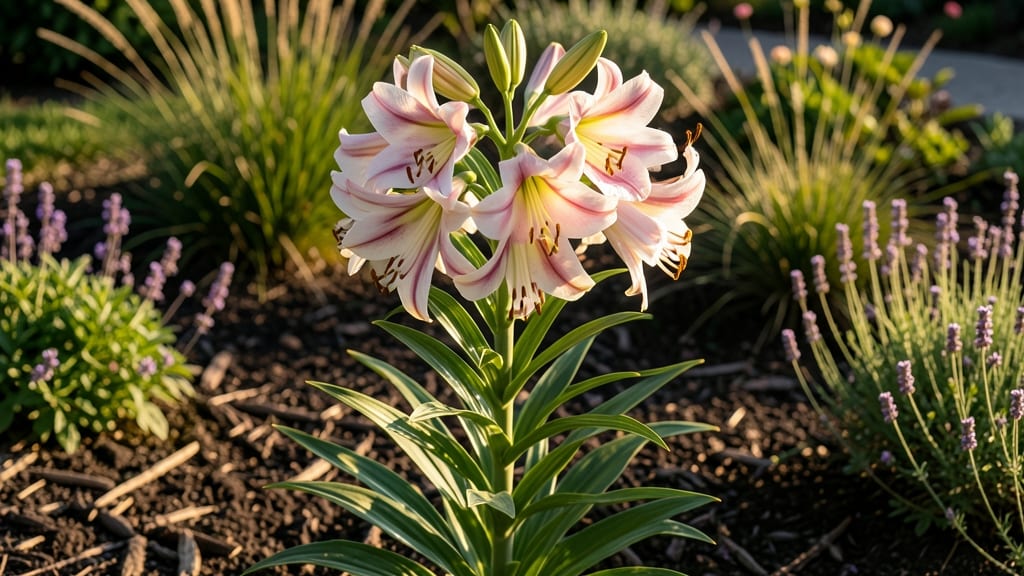
Lilies don't bloom all summer—most varieties produce flowers for just 2-4 weeks during late spring or early summer, with some types capable of limited reblooming later if given proper care. Their flowering cycles are tightly linked to specific climate conditions and seasonal cues.
Lily blooming patterns are actually quite fascinating when you consider their natural growth cycles. 🌸 Most lilies are programmed to flower during their peak growth phase, which typically occurs when daylight hours are longest and temperatures are consistently warm.
This biological timing explains why you'll see dramatic displays in late spring but little to no blooms during summer's heat. The few varieties that do rebloom later in the season usually need specific care—like regular deadheading and balanced fertilization—to encourage a second, smaller flush of flowers.
What's interesting is how different lily types respond to these seasonal changes. Asiatic lilies, for example, tend to have their main bloom in early summer, while Oriental lilies might produce a few late-summer flowers if conditions are just right.
Daylilies (which aren't true lilies but are often grouped with them) can be even more generous with their blooming windows, sometimes producing flowers intermittently throughout summer if you provide consistent moisture and nutrients.
💡 In This Article
- Lily Blooming Seasons by Variety: When and Why They Flower
- Extending Lily Bloom Time: Care Tips for Longer Flowering Seasons
Lily blooming seasons by variety: when and why they flower
Lilies follow strict biological rhythms tied to daylight and temperature, with each variety having its own unique schedule. Asiatic lilies, for example, typically bloom from late May to early June in most climates, triggered when day lengths reach 14-16 hours and night temperatures stay above 55°F.
Their blooms last about 2-3 weeks as they prioritize energy for bulb development rather than prolonged flowering. Oriental lilies, known for their fragrant blooms, usually flower slightly later (June to early July) because they require even warmer soil temperatures (60°F+) to initiate flowering.
The dramatic difference comes from their genetic programming. Trumpet lilies (like the iconic 'Stargazer') have a single, intense bloom period in mid-summer (July-August) because they store energy for 6-8 weeks before flowering, then need 4-6 weeks to recover.
Daylilies (Hemerocallis) are the exception—they're not true lilies but can bloom intermittently all summer because their flowers last just 24-48 hours per bloom, allowing new buds to form continuously when conditions are right. This rapid turnover creates the illusion of continuous blooming when other lilies have finished.
What most gardeners miss is how temperature fluctuations affect reblooming potential. Lilies need a cooling period after their main bloom to reset their growth cycle. In northern climates, this happens naturally with summer heat followed by autumn chill.
But in southern regions, where summers stay hot, lilies often skip reblooming entirely unless you provide artificial cooling through shade and reduced watering during peak heat (90°F+). The key is maintaining soil moisture without overheating the bulbs—think of it like giving your lilies a summer siesta.
Daylight length plays a surprising role too. Lilies are short-day plants, meaning they flower when day lengths start decreasing after the summer solstice. This explains why you might see a late-summer bloom from some varieties—it's their biological response to shortening daylight, not just good care.
For example, 'Casa Blanca' Oriental lilies often produce a second flush in late August because the 13.5-hour daylight threshold triggers their secondary flowering mechanism.
Here's what actually happens underground: After their main bloom, lily bulbs focus energy on bulblet production (small daughter bulbs) rather than flowers. These bulblets form at the base of the main bulb during summer months when temperatures are warm but not extreme.
If you want reblooming, you must preserve these bulblets by avoiding overwatering (1 inch per week max) and providing balanced fertilizer (10-10-10 ratio) every 4-6 weeks during summer growth.
The most reliable rebloomers are Asiatic hybrids and Oriental-Trumpet crosses when given proper care.
For instance, 'Siberia' Asiatics often produce 10-20% of their original bloom count in late summer if you deadhead spent blooms immediately (removing the seed pod prevents energy drain) and mulch with 3 inches of organic matter to maintain even soil temperatures.
The secret lies in this delicate balance: enough stress to trigger reblooming signals, but not so much that the plant shuts down completely.