
Blooming
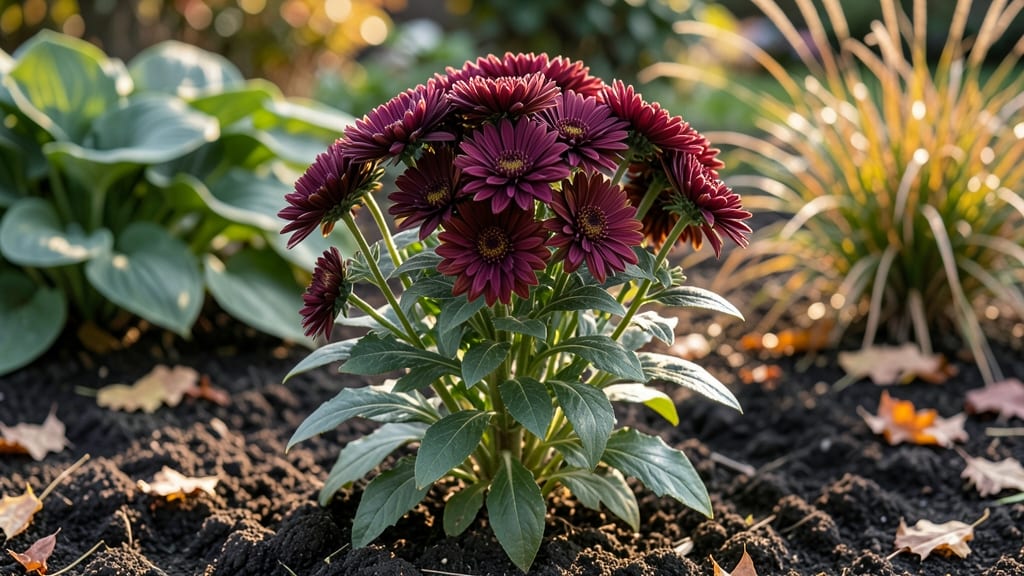
Summer-blooming mums are rare, but certain heat-tolerant varieties can produce flowers in late summer with deadheading, consistent moisture, and afternoon shade in hot regions. Most chrysanthemums prefer cooler weather and shorter daylight hours for their natural fall display.
Most chrysanthemums (mums) follow nature's schedule, waiting for cooler temperatures and shorter days to trigger their signature fall blooms. 🌸 The key difference with summer-blooming varieties lies in their genetic makeup—these plants have been selectively bred to resist heat stress and continue flowering when others would go dormant.
For gardeners wanting summer color, choosing the right variety (like 'Dynasty' or 'Florist' series) and providing consistent care makes all the difference.
What you'll notice is that these summer-blooming types often produce smaller, more frequent flowers rather than the large, dramatic blooms typical of fall varieties. The trade-off? They require more maintenance—regular deadheading to encourage new growth, balanced fertilization, and protection from intense afternoon sun.
In my experience, the effort pays off with vibrant summer color that extends your garden's season.
💡 In This Article
- Why Most Mums Bloom in Fall and How Heat Affects Them
- How to Encourage Summer Reblooming in Chrysanthemums
Why most mums bloom in fall and how heat affects them
Chrysanthemums follow a strict biological clock tied to daylight hours and temperature. Most varieties enter dormancy when days exceed 12-14 hours of sunlight—a natural signal that summer is ending. This photoperiod response triggers a hormonal cascade where the plant shifts from vegetative growth to flowering.
The cooler 50-65°F nighttime temperatures further accelerate this process by slowing metabolism and conserving energy for bloom production. 🌸
Summer heat disrupts this cycle in two key ways: first, by preventing the hormonal shift needed to initiate buds, and second, by causing heat stress that forces the plant into survival mode.
When temperatures consistently exceed 85°F, mum leaves often curl and turn yellow—a clear sign the plant is conserving water rather than producing flowers. This is why most garden-center mums arrive in late summer already flowering—they've been pre-conditioned in cooler greenhouses to bloom on schedule.
Reblooming varieties like 'Dynasty' or 'Florist' series defy this pattern through selective breeding that modifies their photoperiod sensitivity. These plants have been genetically tweaked to continue flowering even with longer daylight hours, though they still perform best with 10-12 hours of light and cooler evenings.
The trade-off? They produce smaller, more frequent blooms rather than the dramatic 4-6 inch fall flowers typical of their non-reblooming cousins.
What most gardeners miss is that even reblooming mums need a cool-down period to reset their flowering cycle. Without this 2-3 week break at 60-65°F nights, the plant will eventually burn out and stop producing flowers.
This explains why summer-blooming mums often peak in late August and decline by September—nature's way of reminding us that even the most heat-tolerant varieties have limits. 🌡️
Consider the anthocyanin pigments that give mums their vibrant colors. These compounds actually increase in production under cooler conditions, which is why fall-blooming mums develop their most intense hues.
In summer heat, pigment production slows, resulting in paler blooms even in reblooming varieties. This chemical response explains why late-summer mums often appear less vibrant than their fall counterparts.
The key takeaway is that while summer blooming is possible with the right varieties and care, it's fundamentally working against nature's design. The plant's energy is constantly divided between surviving the heat and producing flowers—a delicate balance that requires daily attention to watering, shading, and deadheading.
For gardeners in hot climates, this means treating summer-blooming mums almost like houseplants—providing consistent moisture and protection from intense afternoon sun.