
Blooming
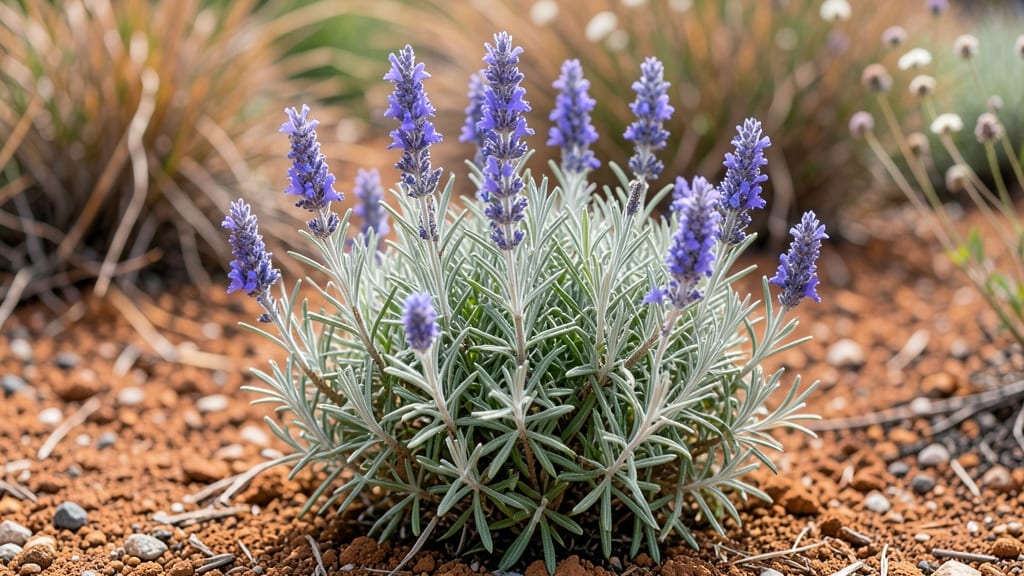
Salvias don't bloom all summer continuously, as their flowering patterns follow seasonal rhythms tied to temperature shifts, daylight changes, and pruning practices—most varieties peak in spring and fall with occasional summer bursts unless you take proactive care steps.
Salvias are seasonal performers at heart, with their blooming cycles directly influenced by environmental cues. 🌸 Varieties like Salvia nemorosa (perennial salvia) often enter a semi-dormant state during peak summer heat, conserving energy for fall reblooms, while others like Salvia leucantha (Mexican bush sage) may produce sporadic summer flowers when daytime temperatures dip below 90°F.
The key to summer-long color lies in understanding these natural rhythms and working with—not against—them.
Regular deadheading (removing spent blooms) is your secret weapon, as it signals the plant to redirect energy toward new flowers rather than seed production.
I've found that pairing this with light pruning—cutting back leggy stems by one-third after the first spring flush—can coax a second wave of blooms in late summer.
For container-grown salvias, a balanced 10-10-10 fertilizer applied every 4-6 weeks during the growing season provides the nutrients needed to sustain continuous flowering.
💡 In This Article
- Salvia Bloom Cycles: Heat and Pruning Triggers Explained
- Extending Salvia Blooms: Pruning, Fertilizing, and Deadheading Hacks
Salvia bloom cycles: heat and pruning triggers explained
Salvias follow a biological rhythm where flower production is triggered by specific temperature shifts and daylight cues. Most varieties, like Salvia nemorosa, enter a semi-dormant state when daytime temperatures exceed 85°F, conserving energy for their fall rebloom.
This heat-induced dormancy is a survival mechanism—similar to how many desert plants pause growth during extreme heat. The plant's internal clock also responds to decreasing daylight hours in late summer, which naturally stimulates flower buds to form for the autumn display. 🌡️
Conversely, Salvia leucantha (Mexican bush sage) behaves differently, producing sporadic summer blooms when temperatures dip below 90°F—often triggered by afternoon thunderstorms that temporarily lower humidity.
The key difference lies in their native habitats: nemorosa hails from European steppes with hot summers, while leucantha thrives in Mexico's high-altitude regions where cooler nights are common. This explains why some salvias may show occasional summer flowers while others remain dormant until fall.
Pruning plays a critical role in manipulating these cycles. When you shear back leggy stems by one-third after the first spring flush, you remove spent blooms and stimulate lateral branching.
This pruning shock mimics the natural die-back that occurs in wild salvias after their initial bloom, tricking the plant into producing a second wave of flowers.
The timing matters—prune too early and you risk removing potential flower buds; too late and you may miss the opportunity for a summer rebloom. 🌿
Daylength also influences blooming patterns. Most salvias are "short-day" plants, meaning they flower in response to shorter daylight periods. This is why you'll often see a surge in blooms as summer wanes and days grow shorter.
In container-grown plants, you can slightly extend summer blooms by providing afternoon shade during heatwaves—keeping leaf temperatures below 80°F helps maintain active growth. This shade strategy works particularly well for Salvia officinalis (culinary sage), which is more sensitive to heat stress.
What most gardeners don't realize is that salvias actually produce flower buds continuously throughout the growing season, but these buds remain dormant until triggered by the right conditions.
The buds form in the leaf axils (where leaves meet stems) and can remain viable for weeks waiting for the proper temperature and daylight combination. This explains why a sudden cool snap in summer can sometimes trigger unexpected blooms—it's not new growth, but rather the activation of pre-existing buds. 🌸
For variety-specific examples, Salvia nemorosa typically produces its main bloom in early summer, then enters dormancy until fall, while Salvia leucantha may show sporadic blooms throughout summer if temperatures stay moderate.
The annual Salvia splendens (scarlet sage) follows a different pattern entirely, blooming continuously from spring until frost if deadheaded regularly—making it the exception rather than the rule in the salvia world. Understanding these variety-specific patterns helps you set realistic expectations for your garden.