
Blooming
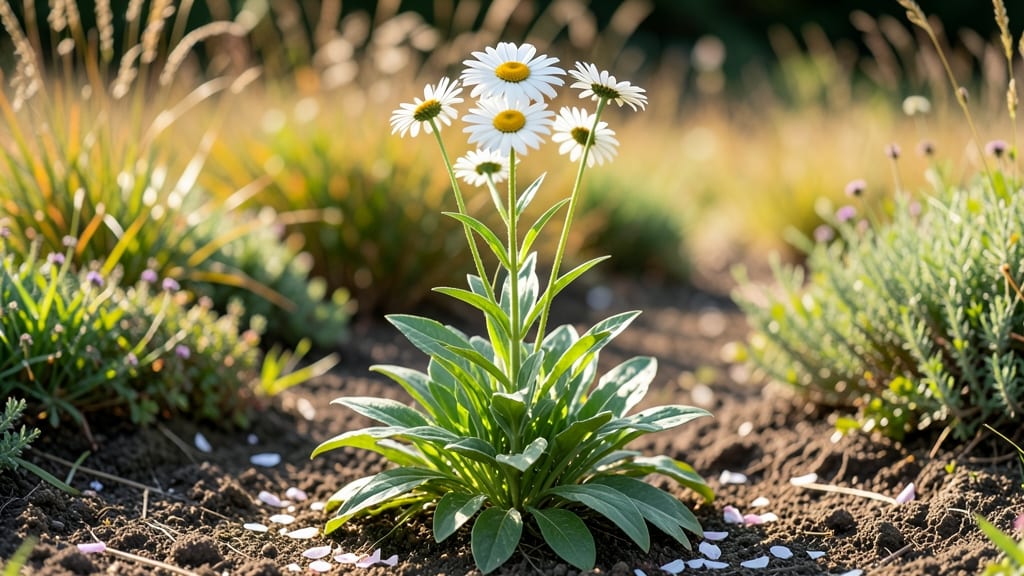
Shasta daisies do not bloom all summer continuously; they typically flower in late spring to early summer for 4-6 weeks, with occasional reblooming if you deadhead or maintain ideal growing conditions. Some cool-season varieties may even produce flowers again in fall.
Shasta daisies follow a natural seasonal rhythm tied to daylight and temperature. 🌸 Most varieties—like the classic 'Becky' or 'Alaska'—focus their energy on one big bloom cycle in spring/summer, then rest. However, reblooming types (such as 'Krausei') can produce sporadic flowers later if you remove spent blooms promptly.
The key is understanding your specific variety's needs: some thrive with minimal care, while others need consistent deadheading and balanced fertilizer to encourage a second round of blooms.
For those hoping for year-round color, focus on cool-season varieties and proper winter prep. These plants often reward patience with late-summer or fall blooms if they're not stressed by heat or drought.
I've found that mulching and gradual water adjustments in late summer can help extend their blooming window—just don't expect nonstop flowers like annuals.
💡 In This Article
- Shasta Daisy Blooming Seasons by Variety
- Extending Shasta Daisy Blooms: Pruning and Care Tips
Shasta daisy blooming seasons by variety
The blooming cycles of Shasta daisies are primarily governed by their genetic makeup and environmental cues. Classic varieties like 'Becky' and 'Alaska' follow a monocarpic blooming pattern, meaning they produce their primary flowers in a concentrated 4-6 week window during late spring to early summer.
This cycle is triggered by increasing daylight hours and soil temperatures reaching 60-65°F—ideal conditions for floral bud formation. 🌸 What's fascinating is how these plants store energy in their roots during winter, then rapidly convert it into blooms once temperatures stabilize.
Reblooming varieties such as 'Krausei' or 'Louise' operate differently—they can produce secondary blooms later in the season if given proper care. The key difference lies in their ability to respond to day-neutral photoperiodism, meaning they're less dependent on specific daylight triggers.
However, even these types require consistent deadheading (removing spent flowers) to redirect energy toward new blooms. Without this intervention, they'll often produce just one main flush of flowers, similar to their non-reblooming cousins.
Temperature plays a critical role in determining bloom timing. Shasta daisies thrive in USDA zones 5-8, where they experience distinct seasonal shifts.
In cooler climates (zones 5-6), blooms typically start in late May to June and peak by July, while warmer zones (7-8) may see earlier blooms as early as April.
The challenge arises when summer heat exceeds 85°F
Daylight duration also influences reblooming potential. Most Shasta daisies enter a dormancy phase when daylight hours shorten in late summer. However, varieties like 'Krausei' can break this cycle if you maintain consistent watering (1-1.5 inches per week) and provide balanced fertilizer (10-10-10 ratio) every 4-6 weeks. The trade-off? These extended blooms are often smaller and less abundant than the spring display, but they still add seasonal interest. Cool-season varieties deserve special attention. Types like 'Alaska' may produce secondary blooms in fall if given proper care—this happens when cooler temperatures (60-70°F) and increasing daylight in late summer trigger a second growth spurt. The catch? These fall blooms require protection from early frosts and may not match the vigor of spring flowers. I've observed that plants grown in partially shaded conditions (30-50% sunlight) often produce more reliable fall blooms than those in full sun. Consider these variety-specific blooming windows when planning your garden: The bottom line? While Shasta daisies won't provide continuous summer color like annuals, their seasonal displays are more dramatic and rewarding when you understand their natural rhythms. 🌿 With the right variety selection and care, you can extend their blooming window by 30-50%—just don't expect the same volume of flowers year-round.