
Blooming
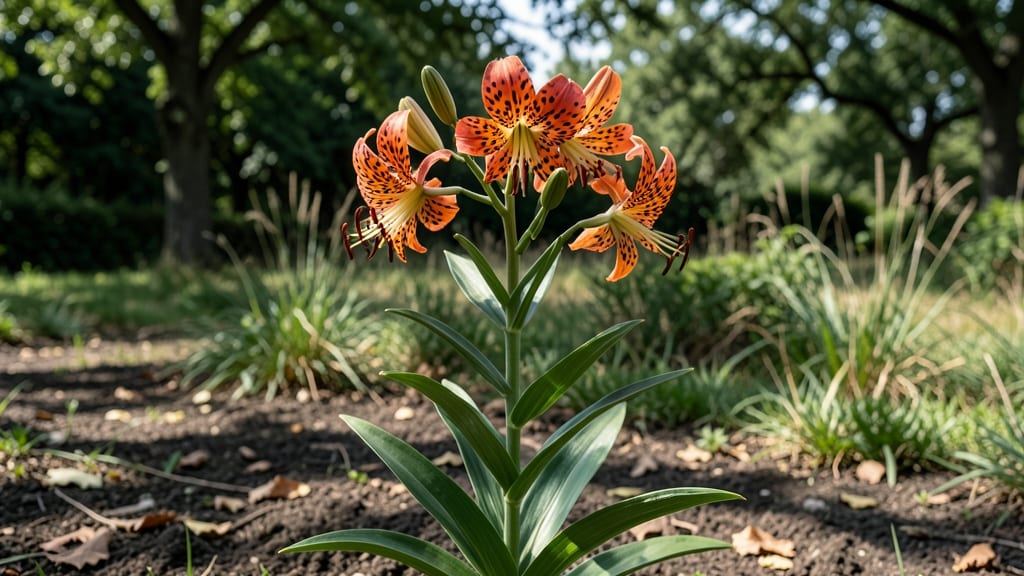
Tiger lilies do not bloom all summer naturally, as most varieties produce a single flush of flowers in early to mid-summer. Reblooming depends on deadheading spent blooms and proper care, though even then, most types bloom intermittently until frost. Some hybrid varieties may extend flowering with consistent maintenance.
Most tiger lilies follow a seasonal bloom cycle tied to daylight hours and temperature shifts, which is why you typically see their vibrant flowers appear once in early summer. 🌸 The key to encouraging more blooms lies in removing spent flowers promptly—this redirects the plant's energy toward new growth rather than seed production.
Varieties like 'Stella de Oro' are more likely to rebloom with consistent care, while others may only produce occasional late-season flowers. Proper sunlight exposure (at least 6-8 hours daily) and well-draining soil also play crucial roles in supporting extended blooming periods.
For gardeners aiming for summer-long color, I recommend a combination of regular deadheading, balanced fertilization (especially with phosphorus), and strategic pruning. The trade-off? Even with perfect conditions, most tiger lilies won't match the continuous blooming of annuals like petunias—expect 2-3 bloom cycles at best.
That said, the effort often results in more robust plants that reward you with bigger, healthier flowers each time.
💡 In This Article
- Why Tiger Lilies Bloom Seasonally: Biology and Variety Differences
- How to Encourage Tiger Lilies to Rebloom: Deadheading and Care Tips
Why tiger lilies bloom seasonally: biology and variety differences
Tiger lilies (Lilium lancifolium and its hybrids) follow a natural seasonal bloom cycle driven by photoperiodism—their internal clock responds to changing daylight hours. Most varieties enter dormancy after their initial bloom in early summer because they prioritize energy for bulb expansion rather than continuous flowering.
This is why you typically see their dramatic orange-and-black striped blooms appear once between June and July, when days begin shortening. The plant's biology treats each bloom as a reproductive opportunity, and producing seeds takes significant energy that would otherwise go to new growth.
Temperature also plays a critical role. Tiger lilies need a period of cooler weather to reset their growth cycle. Without this, they may produce fewer or no blooms the following season.
For example, 'Casa Blanca' (a popular white variety) often blooms later in summer but still requires 50-60°F nighttime temperatures to trigger reblooming. Meanwhile, 'Stella de Oro'—a dwarf hybrid—is more adaptable and may produce 2-3 bloom cycles if given ideal conditions, but even this variety won't bloom continuously like annuals.
The key difference lies in their genetic programming: most tiger lilies are perennial bulbs designed to conserve energy for winter survival, not summer-long displays.
Here's where variety matters: some hybrids like 'Black Beauty' (deep maroon blooms) are more likely to produce occasional late-season flowers if deadheaded properly, while others like 'Enchantment' (pink with darker spots) may only rebloom 10-20% as vigorously. The reason? Hybridizers often prioritize disease resistance or fragrance over reblooming traits.
For instance, 'Stargazer' lilies (a different species) are famous for reblooming, but true tiger lilies lag behind because their wild ancestors evolved in temperate forests where single flushes were sufficient for seed dispersal. 🌿
What most gardeners don't realize is that even with perfect care, tiger lilies won't match the continuous blooming of annuals or some daylilies (Hemerocallis). Their energy budget is fixed: either they produce showy blooms or they invest in bulb storage.
This is why you'll often see gardeners with tiger lilies complaining about "no second blooms"—it's not just about deadheading, but about understanding the plant's biological trade-offs.
For example, a plant that puts all its energy into a single 6-inch-wide bloom in June may only muster a 3-inch bloom in August, if at all.
One exception is when you grow tiger lilies in USDA zones 8-10, where milder winters allow for more extended growing seasons.
In these areas, varieties like 'Tiger Stripes' may produce intermittent blooms from July through September, but this is still not continuous—think of it as 3-4 separate bloom events rather than a steady display.
The visual difference is striking: a garden with deadheaded tiger lilies might have 20% more blooms over the season compared to neglected plants, but the timing will still be clustered in waves rather than spread evenly.
For those chasing summer-long color, consider pairing tiger lilies with reblooming daylilies or annuals like zinnias, which fill gaps naturally. The trade-off is worth it for tiger lily enthusiasts, though: their bold, exotic blooms and fragrant foliage make them worth the seasonal commitment.
Just remember—what you're seeing is nature's calculated strategy, not a flaw in your gardening skills. 🌸