
Blooming
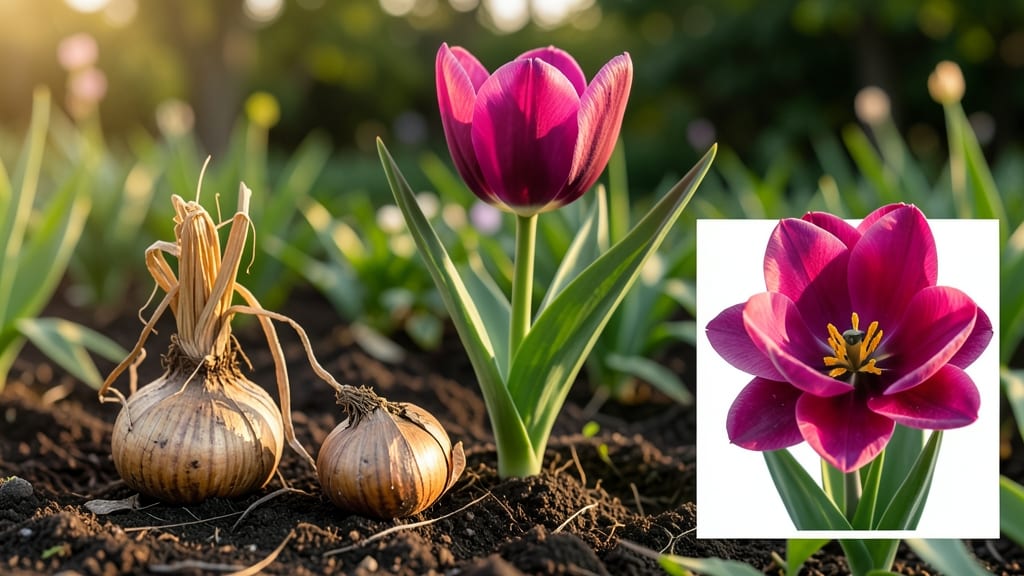
Tulips typically bloom only once per season because their energy reserves are depleted after flowering, though some varieties can rebloom under ideal conditions like consistent care and proper fertilization. Most gardeners replant bulbs annually for repeat blooms.
Tulips are annual bloomers by nature because they draw heavily from their bulb's stored nutrients to produce flowers. 🌸 Once they bloom, their energy is mostly spent, leaving little reserve for another round.
However, certain varieties—like Darwin Hybrid tulips—are bred to store more energy, making them more likely to rebloom with the right care. The key is balancing fertilization and deadheading (removing spent blooms) to encourage the plant to redirect energy toward next year's growth.
What many gardeners don't realize is that reblooming tulips often need high-phosphorus fertilizer after their first bloom to rebuild energy reserves. I've found that dividing and replanting bulbs every 3-4 years also helps maintain their vigor.
While it's rare for tulips to bloom twice naturally, with these strategies, you can coax a second (or even third!) flush of flowers from some varieties.
💡 In This Article
- Why Most Tulips Bloom Just Once Per Year
- How to Encourage Tulips to Rebloom in Your Garden
Why most tulips bloom just once per year
The reason tulips typically bloom just once per season comes down to their energy budget. Tulip bulbs store nutrients—primarily starches—as energy reserves during the growing season.
When they bloom, these reserves are rapidly depleted to fuel the 10-14 day flowering process. 🌸 Unlike daffodils, which store energy in their leaves year-round, tulips rely almost entirely on their bulbs.
After flowering, the plant's focus shifts to rebuilding these reserves through photosynthesis in the leaves, leaving little energy for another bloom cycle.
Here's the science: tulip bulbs convert sunlight into glucose through their leaves, which is then transported to the bulb where it's stored as starch. This process requires 6-8 weeks of consistent growth after the first bloom.
The challenge is that tulips prioritize bulb replenishment over flowering, making reblooming rare in nature. Darwin Hybrid tulips are an exception—they're bred to store 20-30% more starch in their bulbs, giving them a better chance to rebloom with proper care.
Comparing tulips to other perennials highlights this difference. Daffodils, for example, have a more flexible energy allocation system—they can bloom multiple times because their leaves continue producing energy throughout the season.
Tulips, however, treat their first bloom like a "once-in-a-lifetime" event, draining their reserves to produce the largest, most vibrant flowers possible. This evolutionary strategy ensures their seeds have the best chance of survival, even if it means the parent plant won't bloom again.
What most gardeners miss is how critical the post-bloom period is. After tulips finish flowering, their leaves continue working to rebuild energy stores. If you cut the leaves too soon (within 6 weeks of blooming), you're essentially starving the bulb of its chance to recover.
This is why many tulips fail to bloom the following year—not because they're "done," but because they were denied the time to recharge.
Temperature also plays a role. Tulips need a period of 12-16 weeks below 50°F to properly vernalize (a cold period that triggers blooming). Without this chilling period, even well-fed bulbs may not bloom at all.
This is why tulips grown in warmer climates often bloom just once and then decline—without proper winter dormancy, their energy cycles get disrupted.
The bottom line is that tulips are built for a one-season spectacle, not repeated performances. Their entire biology is optimized to produce one stunning display rather than multiple modest ones.
This is why gardeners often replant bulbs annually—the bulbs themselves aren't "used up," but their energy systems need time to recover between seasons. 🌱