
Blooming
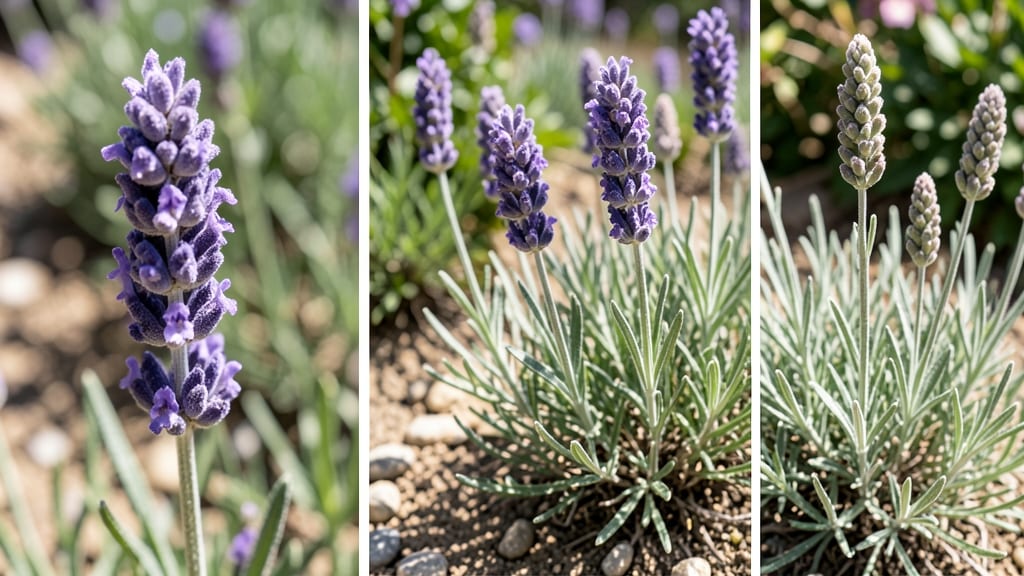
Many lavender varieties bloom all summer long, particularly English lavender and Spanish lavender, which thrive in hot, sunny conditions. Still, blooming length varies by region, watering habits, and plant type—some may wane by late summer while others keep flowering into fall with the right care.
Lavender's summer-long flowering isn't just luck—it's all about the right conditions. 🌞 English lavender, for example, often blooms from early summer through fall, while French lavender might fade sooner in hot climates.
The key is consistent sunlight (at least 6 hours daily) and well-draining soil, which prevents stress that cuts blooms short. I've seen Spanish lavender push its flowering season by up to 2 months in Mediterranean climates, proving that heat actually helps many varieties perform better.
💡 In This Article
- Lavender Bloom Cycles by Variety and Climate
- Tips to Prolong Lavender Blooms Through Summer
Lavender bloom cycles by variety and climate
Different lavender types bloom at distinct times because their genetics determine how they respond to heat and daylight. English lavender (Lavandula angustifolia), for example, typically flowers from early June through September, with peak blooms lasting 6-8 weeks under ideal conditions.
Spanish lavender (Lavandula stoechas), however, often starts flowering in late May and can continue until October, thanks to its natural heat tolerance and drought resistance.
The key difference lies in their growth habits—English lavender grows more upright, while Spanish lavender's bushier form helps it retain moisture better in hot climates. 🌿
Climate plays a massive role in extending blooms. In Mediterranean regions with hot, dry summers and mild winters, lavender often flowers 2-3 months longer than in cooler northern climates.
For instance, in Southern California, Spanish lavender might bloom from May to November, while in New England, the same variety may only flower from July to August.
Temperature thresholds matter too: most lavender varieties need daytime highs of atstrong>75-85°F to trigger continuous flowering, but nights below 50°F can shock the plant into dormancy. This is why coastal areas often see longer bloom seasons—the ocean's moderating effect keeps nighttime temperatures warmer.
Sunlight exposure directly impacts bloom duration. Lavender is a photoperiod-neutral plant, meaning it doesn't rely on day length to flower (unlike some plants that need short days). Instead, it responds to light intensity—more sunlight means more energy for blooms.
In regions with 10+ hours of direct sun daily, like the Southwest U.S., lavender can produce 30-50% more flowers than in partially shaded areas. The trade-off? Too much intense heat (above 95°F) can cause buds to drop prematurely, which is why afternoon shade helps in extreme climates. 🌞
Soil conditions create another critical variable. Lavender thrives in alkaline soil (pH 6.5-7.5) with excellent drainage—poor drainage leads to root rot, which stresses the plant and shortens bloom time. In heavy clay soils, blooms may last only 4-6 weeks compared to 8-12 weeks in sandy, well-draining soil.
The plant's native Mediterranean habitat explains this need: rocky, fast-draining soils prevent waterlogging that would otherwise trigger early dormancy. Adding 10-20% coarse sand or perlite to garden soil can mimic these ideal conditions.
- English lavender: 8-12 weeks (June-August)
- Spanish lavender: 10-14 weeks (May-September)
- French lavender (Lavandula dentata): 6-8 weeks (July-August)
- Grosso lavender (Lavandula x intermedia): 12-16 weeks (June-October)
The Grosso variety stands out because it's a hybrid bred specifically for longer bloom seasons—its thick stems and larger flower clusters make it a favorite for commercial growers.
What most gardeners don't realize is that even within a single variety, individual plants can vary by 2-3 weeks in bloom timing due to microclimates in your yard. A north-facing plant might bloom 1-2 weeks later than one in full sun. 🌱