Blooming
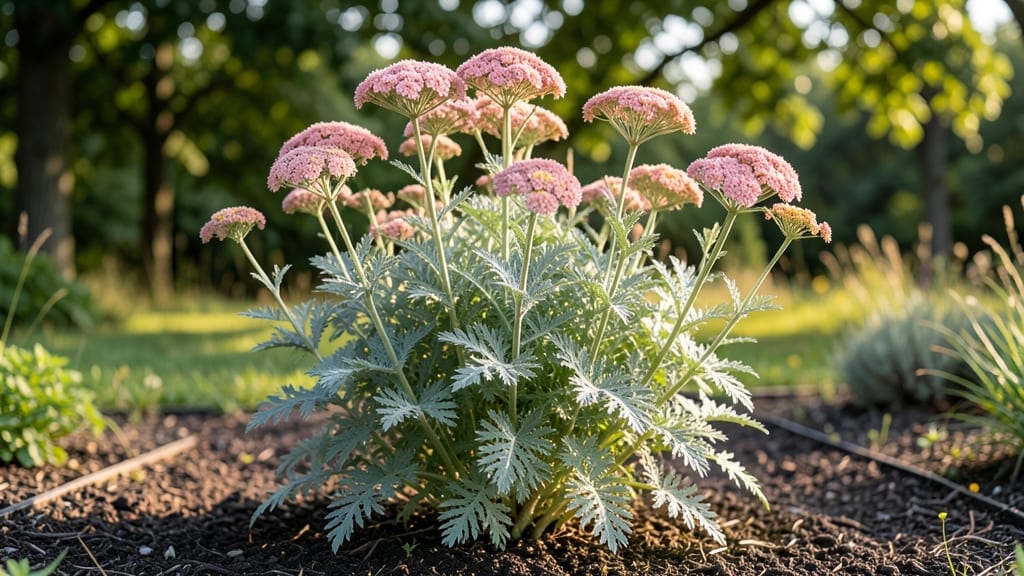
Yarrow does bloom all summer when you maintain it properly, delivering continuous clusters of flat-topped flowers from early summer through frost. Trimming back faded blooms after they finish encourages a second wave of vibrant flowers later in the season, keeping your garden colorful longer.
This hardy perennial thrives because of its deep root system, which stores nutrients and water, allowing it to bounce back after pruning. 🌿 The key to its long bloom season lies in its ability to adapt—yarrow grows in everything from full sun to partial shade and tolerates drought once established.
I’ve seen it flower well even in heatwaves, making it a low-maintenance star for summer gardens.
What’s fascinating is how yarrow responds to pruning: cutting back stems after the first bloom signals the plant to redirect energy toward new growth, triggering that second flush. The timing matters—too early, and you cut off potential blooms; too late, and you risk winter damage.
In my experience, the sweet spot is late summer, just as the first flowers start fading.
💡 In This Article
- Yarrow’s Natural Blooming Cycle and Seasonal Adaptations
- When and How to Prune Yarrow for Continuous Summer Blooms
Yarrow’s natural blooming cycle and seasonal adaptations
Yarrow’s ability to bloom all summer stems from its perennial growth habit and deep taproot system, which can extend up to 3 feet into the soil. This root structure stores water and nutrients during dry spells, allowing the plant to recover quickly after pruning or flowering.
Unlike annuals that complete their life cycle in one season, yarrow’s roots remain dormant yet viable through winter, ready to push out new growth as temperatures rise. 🌱
The plant’s photoperiod sensitivity also plays a key role—yarrow responds to increasing daylight hours in spring by initiating flowering, but it doesn’t rely solely on temperature. In regions with long summer days (like USDA Zones 5-9), yarrow can produce multiple bloom cycles because the extended daylight triggers repeated flowering.
For example, in my Zone 7 garden, yarrow starts blooming in early June and continues until October, even through heatwaves, because the roots maintain moisture and energy reserves.
Yarrow’s drought tolerance is another secret to its summer endurance. Once established, it requires minimal watering—only about 1 inch per week—because its deep roots access groundwater. This makes it ideal for xeriscaping or low-maintenance gardens.
The trade-off? Overwatering can lead to weak stems and fewer blooms, as the plant prioritizes root growth over flowering when soil stays soggy. 💧
Climate variations affect reblooming patterns. In cooler northern regions (like Zone 4), yarrow may only produce one main bloom cycle unless you prune aggressively. Meanwhile, in warmer southern climates (like Zone 10), it can flower continuously if given enough sunlight and occasional deadheading.
The key is matching your pruning schedule to your local frost dates—typically 4-6 weeks before the first frost for a final flush of blooms.
Botanically, yarrow’s flowers are composite heads (like daisies) with tiny individual florets. Each cluster contains both fertile and sterile florets, which means even after the center flowers fade, the outer edges can continue blooming for weeks.
This staggered flowering is why yarrow looks full and lush for months, even without pruning—though deadheading does extend the display by redirecting energy to new growth. 🌼
One often-overlooked factor is yarrow’s self-seeding habit. As flowers fade, they produce seeds that scatter easily, creating new plants in surrounding areas. This natural propagation ensures a steady supply of blooms year after year, even if you skip pruning.
However, if you prefer a tidier look, removing seed heads prevents unwanted spread while still promoting reblooming.