
Blooming
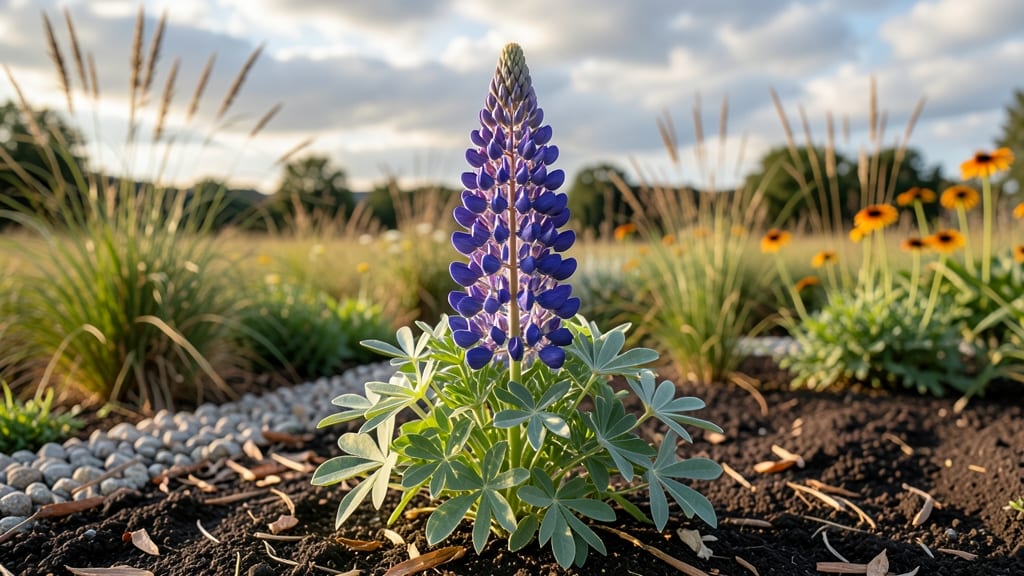
The lupine bloom season transforms your garden into a vibrant splash of color in spring—but the exact timing depends on your hardiness zone and variety.
If you’ve ever planted these striking 🌸 flowers only to miss their peak bloom, you’re not alone. Lupines in cooler zones like 6a may burst into color as early as late April, while warmer regions could see them bloom by March.
The difference isn’t just about the calendar; it’s about soil, sunlight, and even the specific lupine type you’ve chosen.
Whether you’re growing the classic tall varieties or the compact dwarf types, understanding these factors ensures you’ll catch their show at its best. Below, I’ll break down the best bloom windows by zone, plus tips to coax even more flowers from your plants.
From deadheading to soil prep, these strategies will help you extend the season and keep your lupines looking their best—so you never have to wonder if you’ve missed their stunning display again.
Lupine bloom season by USDA hardiness Zones: exact timing guide
Lupines are showstopping perennials that transform gardens with their spiky flower spikes, but their bloom timing varies dramatically by USDA hardiness zone.
Whether you're growing spring-blooming varieties like 'Russell Hybrid' or summer-flowering types such as 'Chief Joseph', knowing your zone helps you plan for their peak bloom windows—and avoid disappointment when they don't perform as expected.
Microclimates—like urban heat islands or coastal breezes—can shift lupine bloom times by 2-4 weeks, even within the same zone. For example, a Zone 7 garden near the ocean might see lupines bloom 3 weeks earlier than one inland.
Understanding these regional quirks ensures you time your garden maintenance perfectly, from deadheading to fertilizing for next year's blooms.
Below is a zone-by-zone breakdown of lupine bloom seasons, including early spring and late summer varieties, so you can align your garden vision with nature's schedule. Pro tip: Plant companion flowers like black-eyed Susans or coneflowers to extend your seasonal color show while lupines take their turn in the spotlight.
In Zones 3-4, lupines often wait until late May or June to bloom, as cooler temperatures slow their growth. Spring varieties like 'Russell Hybrid' thrive here, producing purple-blue spikes that contrast beautifully with early wildflowers.
If you're in a Zone 4 garden, consider planting annual lupines alongside perennials to fill gaps in the early spring before your perennials wake up.
Gardeners in Zones 5-6 enjoy the earliest lupine blooms, typically starting in early May. This is prime time for summer varieties like 'Chief Joseph' to take center stage. The key to maximizing blooms here? Deadhead spent flowers immediately after they fade to encourage continuous reblooming through mid-July.
A light application of phosphorus-rich fertilizer in early spring also boosts flower production.
For those in Zones 7-8, lupines often bloom as early as April, aligning perfectly with spring bulbs like daffodils and tulips. Summer varieties in these zones can stretch blooms into early June, but heatwaves may cause them to bolt prematurely.
To combat this, provide afternoon shade during peak summer months and keep soil consistently moist—but not soggy—to prevent stress.
In warmer Zones 9-10, lupines defy expectations by blooming in March or April, often overlapping with camellias and azaleas. Summer varieties here may even produce second blooms in fall if given ideal conditions.
The challenge? Preventing heat stress. Mulch heavily to retain moisture and avoid fertilizing after June 1st, as this can stimulate leafy growth at the expense of flowers.
Regardless of your zone, soil pH plays a critical role in lupine bloom timing. These plants thrive in acidic soil (pH 6.0-7.0). If your soil tests higher, amend it with elemental sulfur or peat moss before planting.
A well-draining, slightly sandy loam also helps prevent root rot, which can delay blooming by 3-4 weeks. Test your soil in early spring to give lupines the best possible start.
One final pro tip: Plant lupines in groups of 3-5 plants for maximum impact. Their tall spikes (reaching 3-6 feet) create dramatic vertical lines in the garden. Pair them with shorter perennials like salvias or catmint to draw attention
How to extend lupine bloom season: pro tips for longer flowers
Lupines are showstoppers in any garden, but their bloom season can feel disappointingly short. With the right techniques, you can extend those vibrant spikes of color by weeks—even months! The key lies in understanding lupines' natural growth patterns and giving them the perfect conditions to thrive.
First, let's tackle the biggest blooming booster: deadheading. This simple task removes spent flowers, redirecting the plant's energy toward producing new blooms instead of seed pods. But there's more to it than just snipping—timing and technique matter for maximum results.
- 🌱 Deadhead daily during peak bloom. Use clean, sharp pruning shears to snip stems just above the first set of leaves.
- 💧 Water deeply after deadheading (1-2 inches per week). Lupines store water in their roots, but consistent moisture prevents stress.
- ☀️ Ensure full sun (6+ hours daily). Partial shade reduces flowering energy by up to 40%.
- 🌿 Adjust soil pH to 6.0-7.0. Lupines thrive in slightly acidic to neutral soil—test your soil and amend with lime or sulfur if needed.
- ✂️ Prune leggy stems in early spring. Cut back 1/3 of plant height to encourage bushier, more prolific blooming.
- 🌳 Plant companions like lavender or catmint. These deter pests and improve air circulation, reducing stress on lupine plants.
- 🌻 Fertilize lightly in early spring with a low-phosphorus formula (5-10-10). Too much phosphorus promotes foliage over flowers.
Don't overlook the power of companion planting. Pairing lupines with nitrogen-fixing plants like clover or beans creates a natural fertilizer system. The bacteria in their roots convert atmospheric nitrogen into a form lupines can use, reducing the need for synthetic fertilizers that can harm blooms.
For second-flowering varieties like 'Russell Hybrid' or 'Chief Joseph', focus on maintaining consistent moisture throughout the growing season. These types often produce a second round of blooms if given proper care. Mulch with 2-3 inches of organic matter (like straw or wood chips) to retain soil moisture and regulate temperature.
Finally, watch for pest pressure like aphids or spider mites. These sap-suckers weaken plants, shortening bloom time. Spray affected areas with neem oil or introduce beneficial insects like ladybugs to keep populations in check naturally.
With these strategies, your lupines could bloom for 8-12 weeks instead of the typical 4-6 weeks. The secret is consistency—combining proper care with attentive maintenance throughout the growing season. Your garden will thank you with longer, more abundant blooms year after year! 🌷