
Blooming
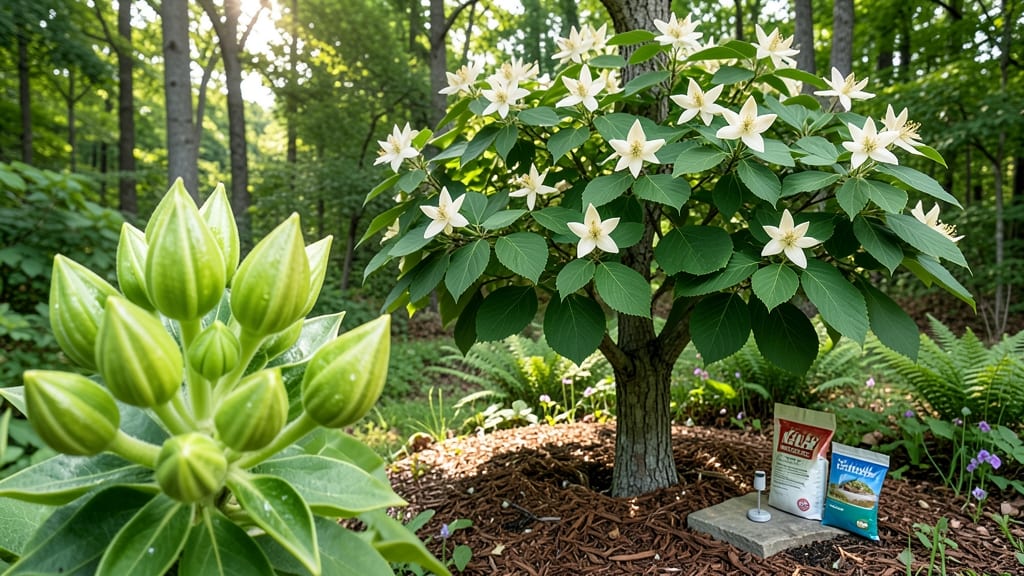
My dogwood didn’t bloom this year, and I’ll be honest—it felt like a personal failure. 🌳 The tree looked healthy, but those iconic spring blooms never appeared, leaving me wondering what went wrong.
After researching and testing solutions, I discovered the real culprits behind missed blooms and how to coax your dogwood back into action.
Most blooming failures come down to three key issues: insufficient sunlight, stress from over-fertilizing, or age-related decline. Dogwoods need at least 6 hours of sun daily, and too much nitrogen (common in lawn fertilizers) pushes leaf growth at the expense of flowers.
Even mature trees can skip blooms if they’re struggling—drought, pests, or poor soil can all play a role.
The good news? With the right adjustments, you can trigger reblooms next season. Start by testing your soil pH (dogwoods prefer 6.0–7.0) and pruning in late winter to improve airflow.
Cut back any dead or crossing branches, and consider a balanced, low-nitrogen fertilizer in early spring to encourage flowering instead of foliage.
If your tree is older, it might just be taking a break—dogwoods often bloom every other year. But with proper care, you’ll see those pink or white clusters return in spring, proving that patience (and a little troubleshooting) pays off. Let’s get your tree back on track!
Hidden Reasons Behind Missing Blooms
Dogwood trees (Cornus florida) are prized for their stunning spring flowers, but when they fail to bloom, it’s often due to overlooked environmental or biological factors. Understanding these causes can help you diagnose the issue and take corrective action—because sometimes, the problem isn’t what you think!
Dogwoods are sensitive to temperature swings, especially during critical growth stages. If winter was unusually cold or prolonged, the tree may have entered dormancy too deeply, delaying or preventing bloom formation.
Conversely, early warm spells can trick the tree into waking up prematurely, only to be shocked by a late frost—damaging flower buds before they open.
What to watch for:
- Late frosts (below 28°F) after buds swell.
- Unpredictable spring temps (warm days followed by freezing nights).
- Drought stress during bud formation (spring through early summer).
Actionable fix:
- Mulch heavily (3–4 inches) around the base to insulate roots.
- Use frost cloth to protect emerging buds if late frosts are forecasted.
- Water deeply in early spring to encourage steady growth.
Dogwoods thrive in well-draining, slightly acidic soil (pH 4.5–6.0). If the soil lacks phosphorus (critical for flower development) or is too alkaline, the tree may skip blooming altogether. Over-fertilizing with high-nitrogen products (like lawn fertilizers) can also promote leafy growth at the expense of flowers.
Signs of nutrient issues:
- Yellowing leaves (chlorosis) if soil is too alkaline.
- Stunted growth or weak stems.
- No buds despite healthy foliage.
Actionable fix:
- Test soil pH and amend with sulfur or peat moss if too alkaline.
- Apply a balanced fertilizer (10-10-10 or 5-10-10) in early spring before buds form.
- Avoid fresh manure—it can burn roots and disrupt blooming.
Dogwoods bloom on old wood, meaning flowers develop on branches from the previous year’s growth. If you prune at the wrong time (late winter/early spring) or transplant a mature tree, it may redirect energy toward recovery instead of flowering.
Common mistakes:
- Heavy pruning right before bloom time (February–March).
- Root damage during transplanting (even if the tree survives, it may skip blooming for 1–2 years).
- Over-thinning branches, which reduces flower-producing wood.
Actionable fix:
- Prune in late spring or summer (after blooming) to avoid cutting off next year’s buds.
- Water deeply for 2–3 weeks after transplanting to reduce shock.
- Avoid top-heavy pruning—focus on shaping rather than removing large branches.
Certain pests and diseases can weaken dogwoods to the point of no blooming.
The most common culprits: - Dogwood borers (larvae that tunnel into bark, disrupting nutrient flow). - Powdery mildew (fungus that stresses the tree, reducing energy for flowers). - Anthracnose (a fungal leaf spot that can defoliate the tree in spring).
Visual clues:
- Holes in bark or sawdust-like frass (borer signs).
- White powdery coating on leaves (mildew).
- Dark, sunken lesions on leaves/branches (anthracnose).
Actionable fix:
- Inspect trees annually in early spring for early signs.
- Apply fungicide (like neem oil or copper spray) before buds swell if mildew is recurrent.
- Remove and destroy infected branches to prevent spread.
Not all dogwoods bloom reliably every year—and some won’t bloom at all if they’re too young or the wrong variety.
- Young trees (under 5 years old) may not have enough energy for flowers.
- Some cultivars (like Cornus florida ‘Cherokee Brave’) are bred for reblooming, while others (like Cornus florida ‘Rubra’) bloom only once per year.
- Over-mature trees may decline in vigor, reducing flower production.
Actionable fix:
- Be patient—wait until the tree is 5+ years old for consistent blooms.
- Choose reblooming varieties if you want multiple flowerings per season.
- Rejuvenate old trees with light pruning and balanced fertilization to stimulate new growth.
Before blaming the tree, check these quick signs: ✅ Are there flower buds? (Look for swollen buds in late winter—if none, it’s a dormancy or nutrient issue). ✅ Are leaves healthy? (If leaves are weak, it’s likely stress-related). ✅ Was last year’s bloom heavy? (Dogwoods may skip a year after a prolific flowering to conserve energy).
If buds are present but don’t open, late frost or disease is likely. If no buds form at all, nutrient or pruning issues are the culprits.
Revive Your Dogwood’s Bloom
If your dogwood tree skipped its usual spring show, don’t despair—there are practical ways to coax it back to life. Below, we’ve mapped out cause-specific fixes to get your tree blooming again, along with prevention tips to keep it thriving. Let’s get your dogwood back on track!
Problem: Dogwoods need 6–8 hours of sunlight daily to bloom. Shade from tall trees, buildings, or overgrowth can stunt flowering.
How to Fix It:
- 🔍 Assess sunlight exposure: Observe your tree’s location from sunrise to sunset. Use a sunlight tracker app (like Sun Surveyor) to log light hours.
- 🌿 Prune nearby obstacles: Trim overgrown branches, shrubs, or trees casting shade. Aim to reduce shade by at least 30%.
- 📍 Relocate (if possible): If your dogwood is permanently shaded, consider transplanting it to a sunnier spot in early spring or fall.
Prevention Tips:
- 🌳 Plant strategically: Choose a location with morning sun + afternoon shade (ideal for many dogwood varieties).
- 🌿 Monitor growth: Regularly check for new shade sources (like fast-growing neighbors) and prune proactively.
Problem: Dogwoods thrive in moist, well-draining soil. Too much or too little water stresses the tree, delaying blooms.
How to Fix It:
- 💦 Check soil moisture: Stick your finger 2–3 inches deep—soil should feel damp, not soggy or dry.
- Too dry? Water deeply 1–2 times per week (1–1.5 inches per session).
- Too wet? Improve drainage by amending soil with compost or planting in a slightly elevated area.
- 🌧️ Adjust irrigation: Use drip irrigation or soaker hoses to deliver water slowly at the roots (avoid overhead sprinklers).
- 🚫 Mulch properly: Apply 2–3 inches of mulch (wood chips or pine straw) 3 inches away from the trunk to retain moisture.
Prevention Tips:
- 📅 Water consistently: Dogwoods hate drought stress—stick to a schedule during dry spells.
- 🌦️ Test soil: Use a moisture meter ($10–$20) to track soil health year-round.
Problem: Poor soil (low in phosphorus, nitrogen, or organic matter) weakens blooming. Dogwoods also hate compacted or acidic soil (pH < 5.0).
How to Fix It:
- 🧪 Test your soil: Send a sample to a local extension office (costs ~$15–$25) for a pH and nutrient analysis.
- 💪 Fertilize smartly:
- Spring (March–April): Apply a balanced fertilizer (10-10-10) lightly around the drip line (not the trunk).
- Fall (September–October): Use a low-phosphorus, high-potassium fertilizer (e.g., 5-10-10) to boost next year’s blooms.
- 🌿 Boost organic matter: Mix compost or well-rotted manure into the top 6 inches of soil annually.
Prevention Tips:
- 🌱 Mulch with purpose: Use leaf mold or composted mulch to gradually enrich soil.
- 🚫 Avoid over-fertilizing: Too much nitrogen = leafy growth, no flowers. Stick to half the recommended dose if your soil is already fertile.
Problem: Dogwoods need chilling hours (300–500 below 45°F) to bloom. Unseasonable warmth (like early springs) can trick the tree into waking up too soon—then a late frost zaps buds.
How to Fix It:
- 🌡️ Monitor bloom timing: Watch for bud swell (early spring). If temps dip below 28°F, cover young buds with frost cloth or a lightweight blanket.
- 🌿 Delay pruning: Avoid heavy pruning until after blooming (or skip it entirely if buds are fragile).
- 🍂 Protect young trees: Wrap the trunk with tree guard to prevent sunscald (which weakens cold hardiness).
Prevention Tips:
- 📅 Plant at the right time: Choose cold-hardy varieties (e.g., Cornus florida ‘Cherokee Brave’) if you live in Zone 5 or colder.
- 🌳 Group with windbreaks: Plant near evergreens or shrubs to buffer against late frost winds.
Problem: Dogwood borers, powdery mildew, or fungal infections (like anthracnose) can kill buds before they open.
How to Fix It:
- 🔍 Inspect for signs:
- Borers: Look for sawdust-like frass at the base or D-shaped exit holes.
- Fungus: Check for black spots on leaves (anthracnose) or white powder (mildew).
- 💊 Treat early:
- Borers: Apply beneficial nematodes (early spring) or borer-specific sprays (like Bt spray).
- Fungus: Spray with copper fungicide (for anthracnose) or neem oil (for mildew) before buds swell.
- 🌿 Prune infected branches: Remove and destroy (don’t compost!) diseased wood immediately.
Prevention Tips:
- 🌧️ Improve airflow: Thin out dense foliage to reduce humidity (fungi love damp leaves).
- 🛡️ Proactive sprays: Apply dormant oil spray in late winter to smother overwintering pests.
- 🍯 Feed the roots: Drench soil with compost tea (rich in microbes) in early spring.
- 🌿 Avoid stress: Don’t transplant, prune heavily, or fertilize during drought or extreme heat.
- 📅 Track your tree: Use a gardening journal to note bloom timing, watering, and pests—patterns emerge over years!
Remember: Dogwoods are patient trees—some years, they rest to build energy. If you’ve ruled out major issues, give it one more season before acting. With the right care, your tree will rebloom stronger than ever! 🌸🌿
Frequently asked questions
Why did my dogwood tree bloom last year but not this year?
Dogwoods often bloom every other year to conserve energy, especially after a heavy flowering season. Other common reasons include late frost damage to buds or nutrient imbalances from over-fertilizing with nitrogen. Check for swollen buds in late winter—if none exist, it’s likely a dormancy or stress issue.
Can I force my dogwood to bloom sooner?
No, you can’t force blooming, but you can optimize conditions to encourage next year’s flowers. Focus on balanced fertilization (low nitrogen), consistent moisture, and protecting buds from frost. Avoid heavy pruning until after blooming—dogwoods bloom on old wood, so cutting back now removes next year’s potential flowers.
How do I know if my dogwood is too old to bloom?
Dogwoods can bloom for decades, but over-mature trees (30+ years) may produce fewer flowers as energy declines. Look for weak stems, sparse foliage, or dieback—these signs suggest age-related decline. Rejuvenate with light pruning, balanced fertilizer, and deep watering. If the tree is otherwise healthy, it may just need a rest year.
Will transplanting my dogwood affect next year’s blooms?
Yes, transplanting stresses the tree and can delay blooming for 1–2 years as it recovers. To minimize impact, transplant in early spring or fall, water deeply for 2–3 weeks afterward, and avoid fertilizing until new growth appears. Choose a sunny, well-draining location to reduce recovery time.
Are there dogwood varieties that bloom more reliably?
Yes! Reblooming cultivars like Cornus florida ‘Cherokee Brave’ or ‘Rubra’ produce multiple flowerings per season if cared for properly. For cold climates (Zone 5+), choose ‘Northern Fires’—it’s hardier and more consistent. Always check the specific variety’s care requirements when selecting.