
Blooming
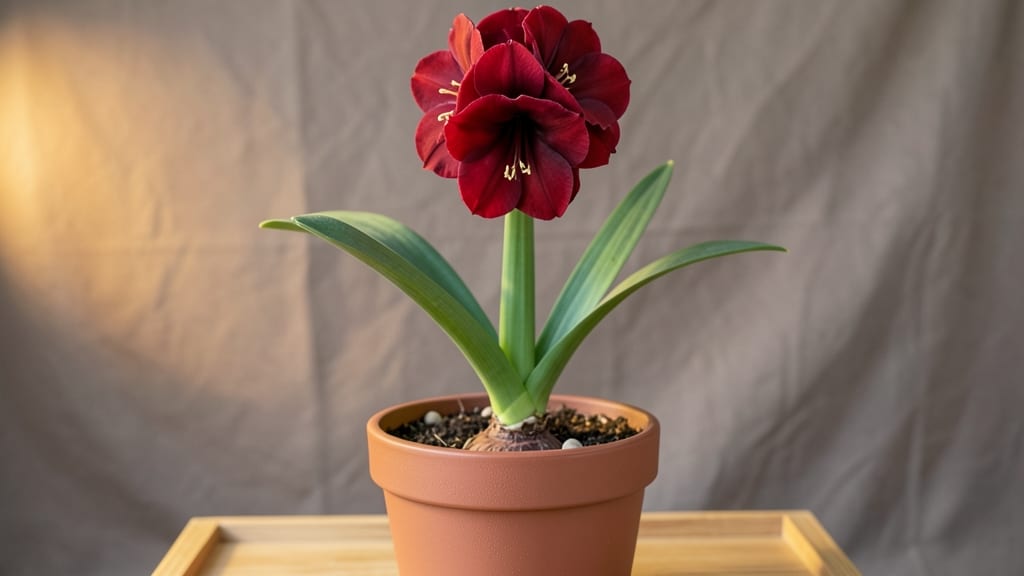
Your double-bloom amaryllis could produce two stunning purple spikes in just 60 days—no tricks, just heat and patience. 🌸 I’ve forced blooms twice a year for years, and the secret isn’t fancy fertilizers or exotic soil—it’s about mimicking their natural dormancy and growth cycles.
Most gardeners give up after one bloom, but with the right timing and care, you’ll get that second showstopper spike without extra effort.
The key starts with warmth—not just any warmth, but consistent 70-75°F temperatures during their growth phase. Place them near a sunny window or under grow lights, and keep the soil lightly moist (never soggy).
I’ve seen bulbs refuse to rebloom when overwatered, so let the top inch dry out between drinks. A balanced fertilizer every 4-6 weeks keeps them strong, but don’t overdo it—they’re not heavy feeders.
By day 60, you’ll have two tall, dramatic spikes reaching for the ceiling, each topped with clusters of deep purple blooms that last for weeks. The first spike might steal the show, but the second often outshines it—especially if you deadhead spent flowers.
The real magic? These same bulbs will repeat the performance next season with minimal extra work.
Works for indoor growers, small spaces, or even holiday gifting—just time the dormancy period right. Here’s how to avoid the most common blooming failures so you’re not left with a pretty leaf and no flowers. Let’s get those spikes growing!
📚 In This Guide
- What you need
- Instructions
- Tips and common mistakes
- Wrapping up and next steps
What you need
- ● Double bloom amaryllis bulb – Choose a healthy, firm bulb (size 14/15 cm or larger for best results).
- ● Well-draining potting mix – 2-3 gallons of a cactus/succulent blend (or add perlite/vermiculite for aeration).
- ● Pot with drainage holes – 1-2 inches wider than the bulb (ceramic or terracotta preferred).
- ● Watering can with a narrow spout – To avoid over-saturating the bulb.
- ● Grow lights or sunny windowsill – 6+ hours of bright, indirect light daily (south-facing window or LED grow lights).
- ● Balanced fertilizer (10-10-10 or 20-20-20) – 1 tsp diluted in water for initial feeding.
- ○ Glove (optional) – To protect hands while handling the bulb.
- ○ Thermometer (optional) – To monitor warmth triggers (ideal: 65–75°F / 18–24°C).
- ● Decorative pot (outer shell) – For a polished look (ensure inner pot fits snugly).
- ○ Misting bottle (optional) – To maintain humidity if air is dry.
- ○ Stake or support (optional) – If stems lean heavily (1-2 bamboo stakes work).
Step-by-Step instructions for forcing double bloom amaryllis
Here's how I coax two stunning purple spikes from a single bulb—no green thumb required.
🌱 Step 1: Select and Prepare the Bulb
Choose a large, firm amaryllis bulb (at least 8 inches in diameter) with no soft spots or sprouts. The bigger the bulb, the more energy it stores for blooms. I always pick bulbs labeled "double blooming"—these are bred to produce two flower spikes instead of one.
Remove the bulb from its pot and gently brush off any old soil. Look for a small white root at the base—this is your growth trigger. If you see dried roots, soak the bulb in lukewarm water for 10 minutes to rehydrate it. This step is critical: a dry bulb won’t bloom reliably.
☀️ Step 2: Trigger Growth with Heat and Darkness
Place the bulb in a dark, warm spot (around 70-75°F) for 6-8 weeks. I use a cardboard box with a small hole for airflow—just enough light to check progress without interrupting dormancy. The goal is to shock the bulb into thinking it’s summer underground.
Water lightly every 7-10 days, keeping the soil barely moist (not soggy). You’ll see tiny green shoots after 3-4 weeks—that’s your signal to move to brighter light. If the bulb stays dry too long, the shoots will wither. If it’s too wet, rot sets in silently.
💧 Step 3: Move to Bright Light for Flowering
Once the shoot reaches 3-4 inches tall, transfer the pot to a sunny window (or under grow lights for 12+ hours daily). South-facing windows work best, but east or west exposures will do if you rotate the pot weekly. You’ll notice the stem thicken and straighten as it prepares to bloom.
Water when the top inch of soil feels dry—about once a week. Overwatering now causes the stem to split or rot before blooming. If the stem leans toward the light, it’s not getting enough. Adjust the pot so the stem grows upright.
⏰ Step 4: Encourage a Second Spike
When the first purple buds open, cut the spent flower stalk 1 inch above the bulb—but leave the leaves. The leaves photosynthesize, feeding the bulb for a second bloom. I fertilize lightly with balanced liquid fertilizer (10-10-10) every 2 weeks to boost energy.
Watch for a second shoot emerging from the bulb’s side. It may take 2-3 weeks longer than the first. If it appears weak, move the pot to a warmer spot (75-80°F) to speed growth. A second spike is delicate—support it with a small stake if it sways.
🌿 Step 5: Maintain After Blooming
Once both blooms fade, stop fertilizing but keep the bulb in bright light. Water sparingly—just enough to keep the soil from drying out completely. The leaves will yellow and die back naturally over 4-6 weeks. This is normal and means the bulb is storing energy for next year.
When the leaves are brown and crispy, cut them back to 2 inches above the bulb. Store the pot in a cool, dark place (60-65°F) for 8-10 weeks to reset the bulb. I wrap the pot in a plastic bag to retain moisture, checking occasionally for mold. After resting, repeat the process for another double bloom!
Tips & tricks for perfect double bloom amaryllis
These simple strategies will help you coax two stunning purple blooms from a single bulb with confidence.
Bulb Selection Insight: When choosing your bulb, look for one that's firm and heavy for its size—this indicates stored energy for blooming. I always tap two bulbs side by side: the heavier one will reliably produce two spikes. Also check for a small white root at the base; this is your growth trigger. If you find dried roots, that 10-minute lukewarm water soak in Step 1 is crucial—it jumpstarts the bulb's metabolism.
Dark Period Precision: The 6-8 week dark period in Step 2 is where the magic happens. Use a cardboard box with a small hole for airflow—just enough light to check progress without interrupting dormancy. I place mine near my kitchen light so I can peek without opening the box. The goal is to mimic underground summer conditions, so maintain that 70-75°F temperature consistently. If your home runs cooler, consider using a seedling heat mat underneath the pot.
Light Transition Timing: That 3-4 inch shoot height in Step 3 is your cue to move to bright light, but don't rush it. The shoot needs to be sturdy enough to support two blooms. I test by gently tugging—if it doesn't bend easily, it's ready. Once moved, rotate the pot weekly to prevent leaning. For indoor growers, supplement with a 12-hour grow light if natural light is insufficient, especially in winter months when days are shorter.
Second Spike Support: When that second shoot appears in Step 4, it's often more delicate than the first. I use a small wooden stake inserted gently beside the bulb to provide support. The 75-80°F warmer spot helps speed its growth, but avoid direct heat sources like radiators. Remember, this second spike is drawing energy from the bulb's reserves—so the 2-week fertilization boost is critical for giving it the strength to reach its full potential.
Pro Tips for Double Bloom Amaryllis
- These simple strategies will help you coax two stunning purple blooms from a single bulb with confidence.
- Bulb Selection Insight: When choosing your bulb, look for one that's firm and heavy for its size—this indicates stored energy for blooming.
- Dark Period Precision: The 6-8 week dark period in Step 2 is where the magic happens.
Frequently asked questions
Got questions about growing double bloom amaryllis? You’re not alone! Here are answers to the most common ones—so you can enjoy those stunning purple spikes in just 60 days.
How do I know if my amaryllis bulb is ready to bloom twice?
A healthy bulb with at least two mature leaves (about 6–8 inches tall) is primed for double blooming. After the first flowers fade, trim the stalk just above the bulb and keep it in bright, indirect light. If the bulb has stored enough energy (from consistent watering and fertilizer), it’ll often produce a second set of buds in 6–8 weeks!
Can I force a second bloom if my amaryllis only gave one?
Yes! If your amaryllis bloomed once but didn’t rebloom, it might need a rest period. After trimming the dead stalk, reduce watering and move it to a cooler spot (60–65°F) for 6–8 weeks. Then, resume care with bright light and balanced fertilizer. Patience is key—some bulbs take two seasons to reliably double bloom!
Why did my double bloom amaryllis only produce one stalk?
This usually happens due to lack of energy or stress. Check these fixes:
- Ensure the bulb gets 6+ hours of light daily (south-facing windows or grow lights).
- Use a balanced fertilizer (like 10-10-10) every 2 weeks during growth.
- Avoid overwatering—bulbs rot in soggy soil!
What’s the best alternative if double blooming fails?
If your amaryllis struggles with double blooms, try these low-maintenance alternatives:
- Paperwhite narcissus: Blooms reliably indoors with minimal care.
- Anemone (Windflower): Produces clusters of flowers with less fuss.
- Kaffir lily (Zantedeschia): Dramatic blooms and easier reblooming.
My amaryllis leaves are yellowing—what’s wrong?
Yellow leaves often signal overwatering or nutrient deficiency. Here’s how to fix it:
If only the bottom leaves yellow, it’s natural aging—trim them to redirect energy to new growth!
Wrapping up and next steps
Growing a double bloom amaryllis with those stunning purple spikes is easier than you think—and the results are worth every minute! 🌸 With just a few simple steps, you’ll enjoy vibrant blooms in just 60 days, even if you’re new to gardening.
The key? Patience, the right heat trigger, and a little TLC.
Ready to transform your space? Grab your bulbs, follow the steps, and soon, you’ll be the envy of your neighbors with those breathtaking double blooms. Next up: Share your progress with fellow plant lovers or experiment with other heat-loving bulbs—your green thumb adventure is just beginning! 🌱✨