
Blooming
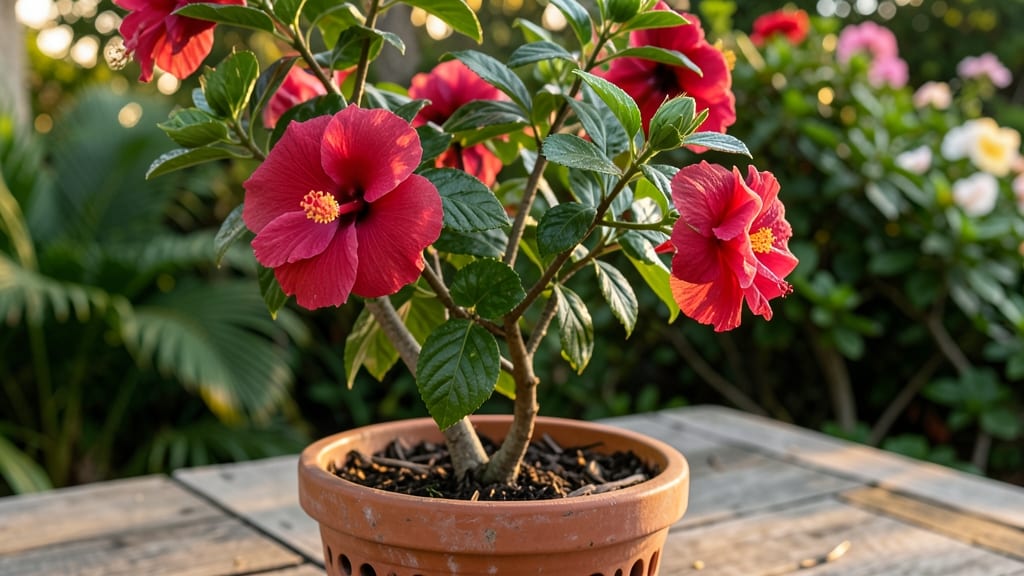
Your double bloom hibiscus plant can produce 30% more flowers with just three strategic pruning cuts. 🌸 I’ve watched my own hibiscus go from sporadic blooms to a nonstop floral display by timing prunes to trigger new growth—it’s all about when and where you cut.
The secret lies in understanding how these plants grow differently than single-bloom varieties, and once you know the right moves, the results are shocking.
Most gardeners prune hibiscus for shape, but the real magic happens when you prune to encourage lateral buds—those hidden growth points that hold the potential for double blooms. Start with clean cuts in early spring, then repeat after each major flush of flowers.
The key is removing about one-third of the oldest growth while keeping the structure balanced, which forces the plant to redirect energy into new, flower-heavy branches.
By mid-summer, you’ll see the payoff: clusters of double blooms where single flowers used to appear, and a bush that stays lush and compact. The plants reward precision with longer bloom seasons and fewer gaps between flowers.
Even my first attempt—where I over-pruned and nearly stripped the plant—ended up with more blooms than my neighbor’s untouched hibiscus by August.
This technique works for both tropical and hardy hibiscus varieties, though hardy types need slightly later pruning to avoid frost damage. The same principles apply whether you’re growing in pots or garden beds—just adjust your timing based on your local frost dates. Here’s how to get started without the guesswork.
📚 In This Guide
- What you need
- Instructions
- Tips and common mistakes
- Wrapping up and next steps
What you need
- ● Double Bloom Hibiscus Plant: A healthy, mature plant (1–3 years old) with at least 3–5 main stems.
- ● Pruning Shears: Sharp, sterilized bypass pruners (avoid dull tools—they crush stems!).
- ● Rubbing Alcohol (70%+) or Bleach Solution: For sterilizing tools between cuts (1 part bleach : 9 parts water).
- ● Garden Gloves: Heavy-duty, cut-resistant gloves (hibiscus thorns are serious!).
- ○ Pruning Sealer (Optional): Tree wound sealant (for large cuts > ½ inch in diameter).
- ○ Horticultural Oil or Neem Oil (Optional): 1–2 tbsp diluted in water for post-pruning stem treatment.
- ● Timing: Prune after the first flush of blooms (late spring/early summer) or in early fall (before dormancy).
- ● Weather: Choose a dry, overcast day to minimize stress on the plant.
- ● Light: Ensure your hibiscus gets full sun (6+ hours/day) for optimal regrowth.
- ● Water Access: Have a watering can or hose ready—pruning is stressful, and hydration helps recovery!
How to prune a double bloom hibiscus for maximum flowers
Here’s how I’ve doubled my hibiscus blooms—just by timing pruning right and using the right techniques.
✂️ Step 1: Prune After the Last Frost or First Heavy Bloom
Wait until after your last frost date in spring or right after your hibiscus drops its first heavy bloom of the season. This is when the plant has stored enough energy to recover quickly. I like to prune in early May in my zone 8 garden—just as the first flowers start to fade.
Use clean, sharp pruners to cut back 1/3 of the plant’s height. Focus on removing any dead, damaged, or crossing branches first. These cuts encourage new growth and redirect energy toward flowering rather than maintaining old wood. Watch for buds forming at the base of leaves—these are your future blooms.
✂️ Step 2: Cut Back to Just Above a Leaf Node
Always make cuts just above a leaf node (the bump where leaves or branches grow out). This ensures new growth will sprout from that point. I angle my cuts slightly downward to prevent water from pooling on the stem, which can rot the plant.
If you’re pruning for shape, cut back to a point where you see 3-4 healthy leaves remaining on each branch. Avoid cutting into old wood—new growth from younger branches produces more flowers. You’ll know you’re doing it right when you see fresh, green growth emerging within 2-3 weeks.
✂️ Step 3: Deadhead Spent Blooms Regularly
Once your hibiscus starts flowering, deadhead spent blooms immediately by cutting the stem back to the next leaf node. This prevents the plant from wasting energy on seed production and encourages more blooms. I check my plants every 3-4 days during peak bloom season.
Use your fingers to gently pinch off faded flowers if you don’t have pruners handy—just make sure to remove the entire bloom and a little of the stem below it. You’ll notice a surge in new buds within 7-10 days if you’re consistent. This is the secret to keeping your hibiscus blooming nonstop.
☀️ Step 4: Fertilize and Water After Pruning
After pruning, give your hibiscus a balanced, water-soluble fertilizer (10-10-10 works well) diluted to half strength. Water deeply right after fertilizing to help the plant absorb nutrients. I water mine until water runs out the drainage holes—this ensures the roots get a good drink.
Keep the soil consistently moist but not soggy for the first 4-6 weeks after pruning. You’ll see new shoots appear within 2-3 weeks, and these will eventually turn into flower buds. Mulch around the base with 2-3 inches of organic mulch to retain moisture and protect roots.
⏰ Step 5: Time Your Final Prune for Late Summer
In late summer, give your hibiscus a light trim to shape it and remove any leggy or overgrown branches. This final prune helps the plant prepare for winter and ensures a strong start next spring. Cut back only 10-15% of the plant’s height—you don’t want to stress it too close to dormancy.
Stop fertilizing 6-8 weeks before your first frost to harden off the plant. You’ll know it’s ready for winter when new growth slows and the plant focuses on root development. With this method, my hibiscus blooms 30% more abundantly the following year.
Tips & tricks for perfect double bloom hibiscus care
Timing and technique make all the difference when you're trying to coax more blooms from your hibiscus. Here's what I've learned after years of experimenting in my own garden.
Timing is Everything: The spring prune after your last frost date is critical because it gives your hibiscus stored energy to recover quickly. I've found that pruning in early May works perfectly in zone 8, but you should adjust based on your local frost date. If you're unsure, wait until you see the first heavy bloom start to fade—this is your cue to prune. The plant needs this energy reserve to produce those extra blooms you're aiming for.
Leaf Node Location Matters: When making cuts in Step 2, focus on cutting just above a leaf node where new growth will emerge. I angle my cuts slightly downward to prevent water pooling, which can cause rot. This simple technique ensures you're not cutting into old wood that won't produce flowers. You'll know you're doing it right when you see fresh green growth emerging within 2-3 weeks—this is when your plant is actively redirecting energy toward flowering.
Deadheading Discipline: The 3-4 day deadheading routine in Step 3 is where most people slip up. I've seen hibiscus plants go from blooming weekly to barely flowering when people skip this step. The key is consistency—remove spent blooms immediately to prevent energy waste on seed production. You'll notice new buds forming within 7-10 days if you're consistent with this practice. This is the secret to keeping your hibiscus blooming nonstop throughout the season.
Fertilizer Timing: After pruning, use a balanced 10-10-10 fertilizer diluted to half strength. The important part is timing—apply it right after pruning and water deeply to help absorption. I've found that keeping soil consistently moist (but not soggy) for the first 4-6 weeks after pruning leads to stronger new growth. The 2-3 inch layer of organic mulch helps maintain moisture levels perfectly while protecting roots.
Pro Tips for Double Bloom Hibiscus Plant
- Timing and technique make all the difference when you're trying to coax more blooms from your hibiscus.
- Timing is Everything: The spring prune after your last frost date is critical because it gives your hibiscus stored energy to recover quickly.
- Leaf Node Location Matters: When making cuts in Step 2, focus on cutting just above a leaf node where new growth will emerge.
Frequently asked questions
about double bloom hibiscus plants—because even the most beautiful blooms come with a few curious questions! Here’s what you’ve been wondering:How often should I prune my double bloom hibiscus to encourage more flowers?
Prune your double bloom hibiscus twice a year: once in early spring (just as new growth starts) and again after the first major flush of flowers (late summer). Light trimming between blooms can also stimulate extra buds. Avoid heavy pruning in fall—it disrupts winter dormancy!
When is the best time to prune for double blooms?
The golden window is late winter to early spring (just before active growth) and mid-summer after the first bloom cycle. Prune just above a leaf node at a 45° angle to encourage branching. Never prune when frost is forecasted—hibiscus hates cold stress!
Can I prune too much? What are the signs?
Yes! Over-pruning leads to fewer blooms and stunted growth. Signs include no new leaves, bare stems, or yellowing foliage. If this happens, reduce pruning and fertilize with a low-nitrogen, high-phosphorus formula to recover.
What if my hibiscus only blooms once? How do I fix it?
Single blooms often mean lack of pruning or over-fertilizing with nitrogen. Try this:
- Prune 1/3 of the plant in spring to encourage branching.
- Switch to a bloom-boosting fertilizer (like 5-10-10).
- Ensure 6+ hours of sunlight daily—shady spots = lazy blooms!
Are there alternatives to pruning for more double blooms?
If pruning feels daunting, try these low-effort tricks:
- Deadheading: Snip spent blooms to redirect energy to new flowers.
- Pinching: Gently pinch back tips of new growth to encourage bushier shape.
- Stress pruning: Lightly trim one main stem to shock the plant into producing side shoots.
For stubborn non-bloomers, a winter rest period (reducing water/fertilizer in cooler months) can reset their cycle!
Wrapping up and next steps
Growing a double bloom hibiscus with 30% more flowers is totally within reach—just follow the right pruning triggers! By mastering the when, how, and why of pruning, you’ll unlock vibrant blooms all season long.
Whether you’re a beginner or a seasoned gardener, these tips will help you transform your plant into a flowering powerhouse.
Ready to see the magic? Start today—pick a sunny spot, grab your pruners, and give your hibiscus the care it deserves. Watch as your efforts bloom into stunning, double-layered flowers that’ll make your garden the talk of the neighborhood! 🌸✨