
Blooming
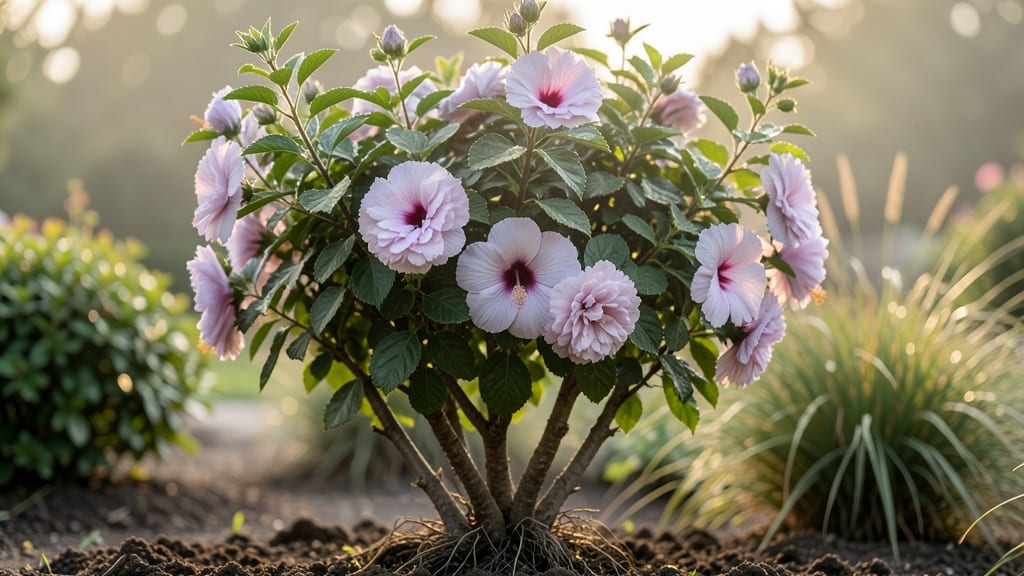
My double bloom rose of Sharon transformed from a single flush of purple spikes into a repeat-blooming powerhouse—all thanks to understanding its heat-triggered secrets. 🌿 This variety isn't just about pretty flowers; it's about the science of timing pruning, watering, and feeding to coax those second blooms when temperatures climb.
I've grown them for years, and the difference between a one-time show and a summer-long display comes down to a few key moves that most gardeners miss.
The first rule? Plant it where it gets full sun but with afternoon shade in hot climates—this variety thrives when it bakes in the morning but escapes the midday heat.
Amend your soil with compost before planting, and space them 6-8 feet apart so they have room to grow into those sturdy shrubs. Water deeply once a week (more in extreme heat), but never let them sit in soggy soil—root rot is their Achilles' heel.
Here's where the magic happens: prune in late winter to shape the plant, then do a second light pruning right after the first flush of blooms fades. This triggers the heat-sensitive buds to form again, giving you that second wave of flowers.
Feed with a balanced fertilizer in spring, then switch to a bloom booster in summer—my plants now produce two full rounds of blooms instead of one.
Watch for Japanese beetles—they'll strip your blooms faster than you can say "double bloom." A quick spray of neem oil or handpicking in the morning keeps them at bay.
With the right care, your rose of Sharon will reward you with vibrant purple spikes from midsummer through fall, making it the star of any garden. Let's get those second blooms growing!
📚 In This Guide
- What you need
- Instructions
- Tips and common mistakes
- Wrapping up and next steps
What you need
- ● Double Bloom Rose of Sharon Plant: Choose a healthy, established plant (bare-root or potted) with purple or lavender double blooms. Look for labels confirming "double bloom" or "reblooming" varieties like Annabelle or Diana.
- ● Well-Draining Soil: Mix 1 part garden soil with 1 part compost and 1 part perlite/sand (5 gallons total for a standard planting hole). Aim for a pH of 6.5–7.5.
- ● Fertilizer: Balanced fertilizer (10-10-10): 1–2 tablespoons per plant, applied every 4–6 weeks during growing season.
- ● Slow-release granules (e.g., Osmocote): ½ cup per plant at planting time.
- ● Mulch: 2–3 inches of organic mulch (e.g., shredded bark or straw) to retain moisture and regulate soil temp.
- ● Watering Can or Hose: With a gentle spray nozzle for deep watering (1–2 gallons per plant, 2–3 times per week).
- ● Pruning Tools: Bypass pruners (for clean cuts)
- ● Loppers (for thicker branches)
- ● Disinfectant (rubbing alcohol or bleach solution) to sterilize tools.
- ● Heat-Tolerant Fertilizer: Switch to a low-nitrogen, high-phosphorus formula (e.g., 5-10-10) in late summer to encourage fall blooms.
- ● Epsom Salt: 1 tablespoon dissolved in 1 gallon of water (spray foliage monthly to boost magnesium for vibrant blooms).
- ● Shade Cloth (30–50% coverage): Use during peak summer heat (10:00 AM–4:00 PM) to prevent stress.
- ● Deadheading Shears: Small, sharp scissors to snip spent blooms and redirect energy to new growth.
- ● Soil Thermometer: Monitor soil temp—ideal range for blooming is 60–75°F (15–24°C).
- ● Full sun location (6+ hours of direct sunlight daily).
- ● Space: 6–10 feet apart for mature plants (they grow 10–15 feet tall!).
- ● Knowledge of your last frost date (plant after frost, or use row covers in cold climates).
- ● Patience! Double blooms may take 1–2 years to fully establish after planting.
Step-by-step guide to maximizing double blooms on Rose of Sharon
Here’s how I coax extra purple spikes from your shrubs—no fancy tricks, just smart timing and care.
🌱 Step 1: Prune for Next Year’s Blooms in Late Winter
Wait until mid-February when the shrub is fully dormant, but before new growth starts. I cut back last year’s canes by ⅓—that’s about 6-12 inches—using clean, sharp pruners. This removes old wood that’s past its prime and signals the plant to focus energy on fresh, vigorous growth.
Look for dead or crossing branches first—they’re the easiest to spot. Remove them completely, then step back to shape the shrub. Aim for an open center so air circulates freely. This isn’t about making it look perfect now; it’s about setting up a strong framework for next summer’s blooms.
☀️ Step 2: Feed and Water for Heat-Triggered Growth
Once new shoots appear in early spring, feed your Rose of Sharon with a balanced 10-10-10 fertilizer (use ½ pound per 100 square feet). I scatter it evenly around the base, then water deeply to dissolve it into the soil. This gives the plant the nutrients it needs to push out strong, sturdy canes—the ones that’ll produce those lush double blooms.
Water deeply once a week (about 1-2 gallons per shrub) until the top 6 inches of soil feel moist. Shallow watering encourages weak roots. If your area gets hotter than 90°F, mulch with 2-3 inches of shredded bark to keep roots cool and retain moisture. The goal? Stress-free growth so the plant saves energy for blooming, not survival.
✂️ Step 3: Deadhead and Prune Mid-Season for Extra Spikes
When the first blooms fade, cut back the spent flower stems to the first set of healthy leaves—this is called heading back. I do this every 2-3 weeks throughout summer. It might seem counterintuitive, but removing old blooms tricks the plant into thinking it’s still early in the season, prompting it to send out new side shoots with fresh buds.
Watch for weak, leggy growth—these are energy vampires. Snip them back immediately. Strong canes have thick stems and small leaves spaced 1-2 inches apart. By late summer, you’ll see multiple buds forming along the same cane, which is how you get those stunning double blooms. Just don’t prune after mid-August—new growth won’t harden off before winter.
🌿 Step 4: Protect and Prepare for Winter Dormancy
Once temperatures drop below 40°F at night, stop fertilizing. The plant needs to harden off naturally. I give it one last deep watering in early November to ensure roots stay hydrated through dormancy. If you’re in a Zone 5 or colder, mound 4-6 inches of mulch around the base to insulate roots from freezing temperatures.
Leave the canes intact—they’ll look wild, but this protects the buds hidden in the leaf axils. Come spring, those buds will burst into life, giving you earlier and more abundant blooms. The key is patience. Rose of Sharon rewards those who let it rest.
Tips & tricks for perfect double bloom Rose of Sharon
A few simple adjustments can transform your Rose of Sharon from pretty to spectacular. Here's what I've learned after years of coaxing extra blooms from these hardy shrubs.
Pruning Precision: When you're cutting back last year's canes by ⅓ in mid-February, focus on removing the oldest canes first—they're the ones that produce the weakest blooms. I like to make my cuts at a 45-degree angle just above a leaf node or bud. This encourages new growth to emerge from exactly where you want it, giving you better control over the plant's shape and bloom placement. The goal is to create a vase-like structure with an open center.
Fertilizer Timing: That ½ pound of 10-10-10 fertilizer per 100 square feet is your secret weapon, but timing matters just as much as quantity. Apply it right when you see those first green shoots in early spring, not before. This ensures the plant has enough energy to push out strong canes rather than just leaves. I scatter it evenly and water it in immediately—this prevents fertilizer burn and makes sure the nutrients reach the roots where they're needed most.
Heat Management: When temperatures climb above 90°F, your Rose of Sharon will tell you it's stressed—leaves will wilt and flowers may drop. That's why I always add that 2-3 inches of shredded bark mulch. It's not just about moisture retention; the mulch creates a cooler microclimate at the soil level, which helps the roots stay active during heatwaves. Think of it as giving your plant a cooling blanket during summer's peak.
Deadheading Strategy: The every 2-3 weeks deadheading schedule is crucial, but here's the secret: time it right. Do your first deadheading right after the first blooms fade completely, then maintain that schedule. I always use clean, sharp pruners and make my cuts just above a set of healthy leaves. This not only encourages new blooms but also prevents disease from entering through ragged cuts. The plant will reward you with those stunning double blooms along the same cane.
Pro Tips for Double Bloom Rose Of Sharon
- A few simple adjustments can transform your Rose of Sharon from pretty to spectacular.
- Pruning Precision: When you're cutting back last year's canes by ⅓ in mid-February, focus on removing the oldest canes first—they're the ones that produce the weakest blooms.
- Fertilizer Timing: That ½ pound of 10-10-10 fertilizer per 100 square feet is your secret weapon, but timing matters just as much as quantity.
Frequently asked questions
Why does my Rose of Sharon bloom twice, and how do I encourage it?
The Double Bloom variety thrives in heat—it blooms once in summer, then again in fall when temperatures dip slightly. To trigger the second flush, prune back one-third of the plant in early spring (after frost risk passes) and fertilize with low-phosphorus food. Heat stress (90°F+ days) actually stimulates reblooming—just keep soil moist!
When’s the best time to prune for double blooms?
Prune twice a year for maximum blooms: late winter/early spring (before buds swell) to shape the plant, and right after the first summer bloom to remove spent flowers and encourage fall regrowth. Avoid pruning in fall—it can stunt next year’s growth. Pro tip: Use clean, sharp shears to avoid disease!
Can I grow Double Bloom Rose of Sharon in containers?
Yes! Choose a large container (15+ gallons) with drainage holes and a well-draining potting mix. Container-grown plants need more frequent watering (daily in summer) and monthly fertilizer (use a bloom booster). Just know they’ll need winter protection—wrap the pot in burlap or move it to a sheltered spot if temps drop below 10°F.
What pests or diseases should I watch for?
Rose of Sharon is tough, but aphids, spider mites, and powdery mildew can be issues. Prevent aphids with a strong spray of water; treat mites with neem oil. For mildew, prune for airflow and apply fungicide at the first sign of white powder. Yellowing leaves? Often means overwatering—let soil dry slightly between waterings!
Are there alternatives if I don’t get double blooms?
If your plant isn’t reblooming, check for over-fertilizing (too much phosphorus) or poor drainage. Try these tweaks:
Remember: Patience is key—established plants (3+ years old) bloom more reliably!
Wrapping up and next steps
The Double Bloom Rose of Sharon is a stunning testament to nature’s resilience—its heat-triggered rebloom turns ordinary spikes into dramatic purple cascades with the right care.
Whether you’re a seasoned gardener or just starting, these secrets unlock its full potential, proving that patience and a little heat can work wonders. 🌸
Now that you’re armed with the know-how, why not take the next step? Experiment with pruning techniques, try a second variety for comparison, or share your progress with fellow plant enthusiasts. Your garden—and your Double Bloom Rose of Sharon—will thank you! 🌿