
Blooming
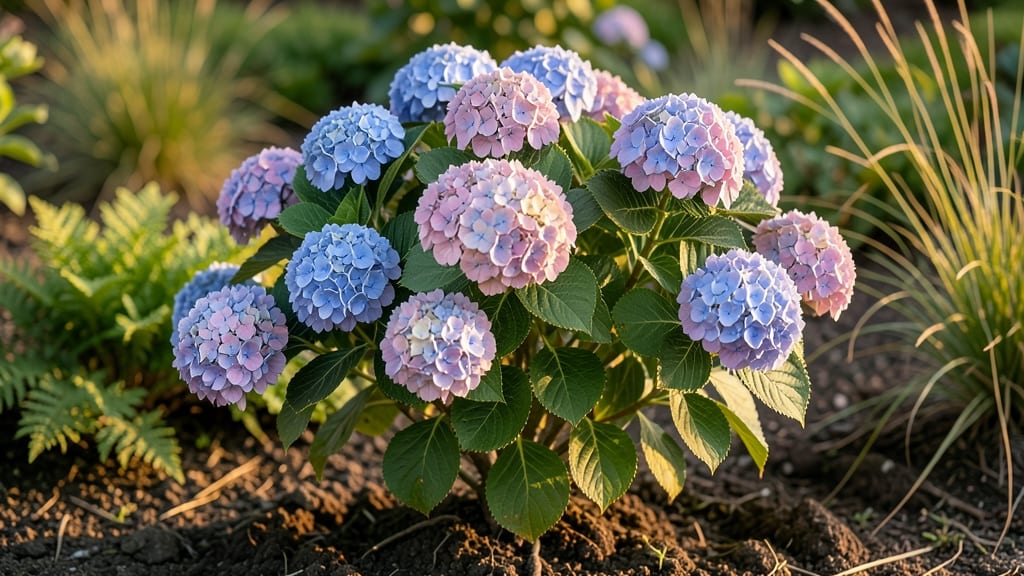
Endless Summer Hydrangeas bloom for months at a time—unlike most varieties that flower just once—when you prune them the right way.
Picture this: your garden bursting with 🌸 from early summer through fall, no gaps, no waiting. But here’s the catch—miss the timing, and you’ll end up with bare stems or a single weak flush of blooms.
The secret lies in knowing when to cut back, how much to remove, and when to leave those stems alone.
In this guide, I’ll break down the exact bloom windows for your zone, how climate shifts your schedule, and the pruning calendar that keeps those flowers coming. No guesswork, just proven steps to turn your Endless Summer Hydrangea into a nonstop showstopper.
You’ll also discover the 3 most common pruning mistakes that sabotage blooms—and how to fix them before it’s too late. Ready to extend that bloom time from a few weeks to nearly half the year?
Understanding Endless Summer hydrangea bloom cycles and pruning zones
The Endless Summer hydrangea (Hydrangea macrophylla 'Bailmeri') is a game-changer for gardeners who love lush blooms year-round. Unlike traditional hydrangeas that flower on old wood (last year's growth), this variety produces flowers on both old wood and new wood, giving it the unique ability to rebloom.
This means you can enjoy vibrant blooms from late spring through fall—if you prune correctly.
Most hydrangeas bloom once in summer on stems that formed the previous year. But Endless Summer breaks this rule by developing flower buds on both old wood (for early blooms) and new wood (for reblooming).
The key to continuous flowers lies in understanding pruning zones—where and when to cut to preserve both types of blooms. Get this wrong, and you might end up with a bare shrub or just a single flush of flowers.
Here’s the science: Flower buds for Endless Summer form in two waves. The first set appears on last year’s stems in early spring, blooming in May-June. If you prune these stems too aggressively, you lose those early flowers.
The second wave of buds forms on current year’s growth in late spring, leading to summer and fall reblooms. Pruning too late can remove these future blooms before they form.
To maximize blooms, focus on selective pruning—cutting only dead, diseased, or overcrowded stems in late winter or early spring. Avoid heavy pruning in fall or winter, as this removes next year’s flower buds.
For reblooming varieties, the goal is to keep the shrub open and airy while preserving both old and new growth.
Identifying the right stems to prune is crucial. Look for thin, leggy branches with no buds or flowers—they’re safe to remove. Keep thick, woody stems with flower buds intact, even if they’re not blooming yet.
These are your old wood bloomers, and cutting them back too much can eliminate early-season flowers.
Here’s a quick visual guide to help you distinguish between old wood and new wood stems:
| Stem Type | Characteristics | Bloom Time | Pruning Rule |
|---|---|---|---|
| Old Wood | Thick, woody, often with dried flower heads from last year | Early spring (May-June) | Prune minimally; only remove dead/diseased stems |
| New Wood | Thinner, green, current year’s growth with new buds | Summer-fall (July-Sept) | Prune lightly to shape; avoid cutting back more than 1/3 |
| Dead/Diseased | Brown, mushy, or hollow stems | N/A | Always remove immediately |
The best pruning time for Endless Summer hydrangeas is late winter to early spring, just as new growth begins. This timing ensures you don’t accidentally prune off new flower buds that form in late spring.
If you prune in fall or winter, you risk removing next year’s old wood blooms before they open.
For reblooming varieties, a little pruning in summer after flowering can encourage a second flush of blooms. Cut back spent flower clusters to the nearest set of leaves, but avoid heavy pruning.
This signals the plant to produce new growth and buds for the next bloom cycle. Think of it as a light trim, not a haircut.
One common mistake is over-pruning to shape the shrub. While Endless Summer hydrangeas can handle some pruning, cutting back more than 1/3 of the plant in one session can stunt blooming.
Instead, prune in stages: a light cleanup in winter, a light shaping in summer, and avoid heavy cuts in fall or late winter.
Pro tip: If your Endless Summer hydrangea isn’t reblooming, check your pruning habits. Heavy cuts in winter or fall are often the culprit. Start fresh by pruning only dead stems in late winter and deadheading spent blooms in summer to encourage new growth.
With the right approach, you’ll enjoy continuous blooms from spring to frost.
🌸
Month-by-month pruning calendar for year-round blooms
Your Endless Summer hydrangea can bloom from spring through fall—but only if you prune strategically. Unlike traditional hydrangeas, this variety produces flowers on both old and new wood, meaning you must time cuts carefully.
The key is balancing reblooming encouragement with stem health. Let’s break down the month-by-month schedule to keep your hydrangea flowering nonstop.
Start by understanding your plant’s growth cycle: late winter is for cleanup, spring focuses on shaping, and summer/fall is about deadheading and light pruning. Avoid heavy cuts after mid-July, as this can delay next year’s blooms. With this calendar, you’ll maximize flowering potential while keeping your hydrangea thriving.
- January-February: Late winter cleanup – Remove dead/diseased wood and thin crowded stems to improve airflow. Avoid heavy pruning; focus on shaping only. ❄️
- March-April: Early spring shaping – Trim last year’s spent blooms (they won’t rebloom) and shape new growth. Fertilize lightly to stimulate new shoots. 🌱
- May-June: Post-bloom maintenance – After first flush, deadhead faded blooms and prune leggy stems to encourage lateral buds. Avoid cutting back more than 1/3 of the plant. ✂️
- July-August: Light summer pruning – Remove only spent blooms (never cut back green stems with buds). This extends bloom time into fall. ☀️
- September-October: Fall rebloom prep – Deadhead all blooms to redirect energy to next year’s growth. Stop fertilizing to harden off stems. 🍂
- November-December: Winter dormancy – Mulch heavily and avoid pruning. Protect from freezing winds with burlap if needed. ❄️
Each month plays a critical role in your Endless Summer hydrangea’s bloom cycle. For example, March-April pruning sets the stage for summer blooms, while September deadheading ensures fall flowers and prepares buds for next spring. Pro tip: Always use sterilized shears to prevent disease spread between cuts.
Watch for new growth with buds—these are your reblooming stems. If you see leggy, bare stems, prune them back to a bud or side branch to encourage bushier growth. Over time, this pruning rhythm trains your hydrangea to produce continuous blooms with minimal effort.
Remember, patience is key. It may take 1-2 years for your hydrangea to fully adapt to this schedule, but the year-round color is worth the wait. Pair this calendar with consistent watering and partial shade, and you’ll have a floral showstopper every season. 🌸