Blooming
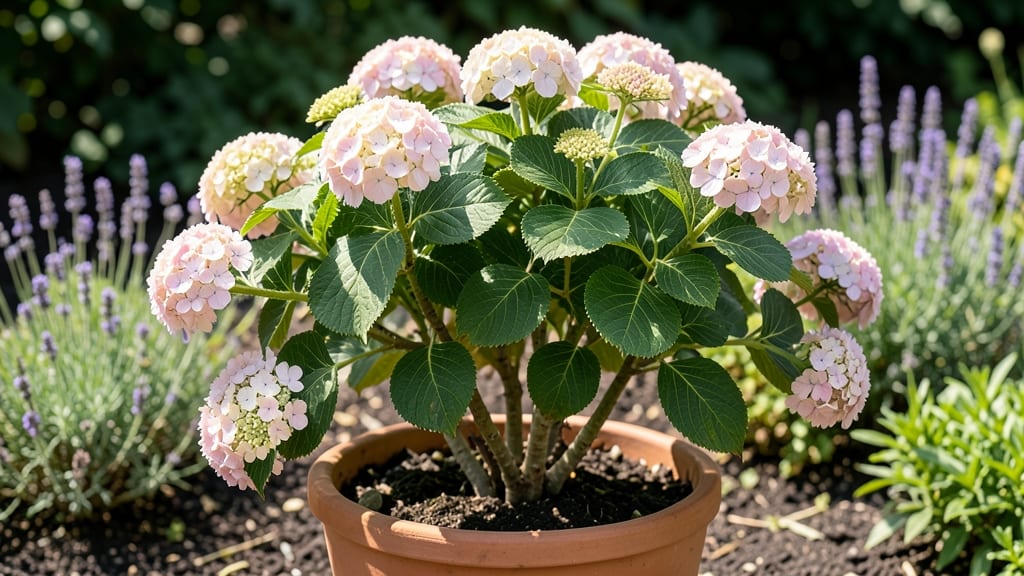
Endless Summer hydrangeas bloom on old wood, meaning last year’s growth holds the buds that become this year’s stunning 🌸 flowers.
If you’ve ever wondered why your Endless Summer hydrangeas aren’t blooming as prolifically as they should, the answer might lie in your pruning habits—specifically, whether you’re cutting back old wood at the right time.
Unlike some hydrangeas that bloom on new wood, these beauties rely on stems from the previous season to produce flowers. Prune too early or too late, and you risk sacrificing next year’s blooms before they even form.
In this guide, I’ll break down exactly when and how to prune your Endless Summer hydrangea to keep those repeat blooms coming—plus common mistakes that could leave your shrub looking bare.
Why Endless Summer hydrangeas bloom on old wood (and how to encourage more flowers)
If you’ve ever admired the Endless Summer hydrangea and wondered why it keeps blooming year after year, the secret lies in its unique biology. Unlike many hydrangeas that bloom on new wood (current year’s growth), this variety blooms on old wood—last year’s stems.
This means the flower buds form in the previous summer or fall and wait until spring to bloom.
The Endless Summer hydrangea is a reblooming cultivar, meaning it produces flowers on both old and new wood, but the majority of blooms come from the old wood.
If you prune too aggressively in late winter or early spring, you risk cutting off next year’s flower buds before they even open. Understanding this growth habit is key to maximizing those stunning lavender or pink blooms you love.
| Feature | Details |
|---|---|
| Blooming Wood Type | Old wood (last year’s stems) |
| Bud Formation Time | Late summer to fall |
| Flowering Season | Mid-summer to frost |
| Pruning Window | Late winter or early spring (after blooms fade) |
| Reblooming Ability | Yes (old + new wood) |
The magic of the Endless Summer hydrangea is that it can produce flowers on both old and new wood, but the majority of blooms come from the old wood. This means if you prune back too much in late winter, you’re essentially cutting off next year’s flower buds.
The buds form on the stems from the previous growing season, so preserving last year’s growth is crucial for a fuller, longer bloom season.
To encourage more flowers, avoid heavy pruning until after the blooms fade in late summer or early fall. This gives the plant time to set new buds for the following year.
Light pruning in late winter to shape the plant is fine, but avoid removing more than 1/3 of the plant’s height at once. The goal is to maintain the structure while preserving those bud-filled stems.
One common misconception is that all hydrangeas bloom on old wood, but that’s not true. Most hydrangeas, like the Bigleaf or Panicle types, bloom on new wood. The Endless Summer is unique because it can bloom on both, making it a reblooming powerhouse if cared for correctly.
This dual blooming ability is what sets it apart and makes it a favorite among gardeners.
If you’re new to growing Endless Summer hydrangeas, start by observing the stems. The old wood is thicker and more woody, while the new growth is thinner and green.
When pruning, focus on removing dead or crossing branches while leaving the thicker stems intact. This preserves the flower buds and encourages a longer, more abundant bloom season.
Seasonal timing is everything when it comes to pruning Endless Summer hydrangeas. The best time to prune is late winter or early spring, but only after the blooms have faded. This ensures you’re not cutting off next year’s flower buds.
If you prune in summer, you can still shape the plant, but avoid heavy cuts. Light pruning in summer helps encourage new growth and additional blooms from the current year’s stems.
To maximize flower production, feed your Endless Summer hydrangea with a balanced fertilizer in early spring and again after the first flush of blooms. This supports both root development and flower production.
Pair this with consistent watering—about 1-1.5 gallons per week—to keep the soil evenly moist. Mulching around the base also helps retain moisture and protect the roots during extreme temperatures.
If you’ve pruned too aggressively in the past and your hydrangea isn’t blooming as much as you’d like, don’t worry. These plants are resilient. Focus on preserving the old wood moving forward and giving the plant time to recover.
Over the next few years, you’ll see a gradual improvement in bloom quantity as the plant establishes new growth while protecting the old stems.
Remember, the key to Endless Summer hydrangeas is patience and precision. By understanding their unique blooming habit and adjusting your pruning approach, you’ll enjoy vibrant, long-lasting blooms year after year.
With the right care, your hydrangea will reward you with a show-stopping display that keeps your garden looking fresh from summer to fall.
When and how to prune Endless Summer hydrangeas without killing next year’s blooms
Endless Summer hydrangeas are prized for their reblooming ability, but their unique growth habit means pruning at the wrong time can kill next year’s flowers. Unlike some hydrangeas that bloom on new wood, Endless Summer blooms on old wood—meaning last year’s stems hold this year’s buds.
Timing and technique matter more than you might think!
If you’ve ever pruned too late in the season and noticed fewer blooms the following year, you’re not alone. The key is to prune late winter or early spring, before buds swell, while the plant is still dormant.
This ensures you’re not cutting off next year’s flower buds hidden among last year’s growth.
Here’s the critical detail: Endless Summer hydrangeas bloom on old wood, but they also produce some flowers on new growth. To maximize blooms, focus on shaping and rejuvenating rather than drastic cuts. Light pruning in late winter clears dead stems while preserving bud-filled branches.
⚠️ callout-warning
Endless Summer hydrangeas set buds in late summer/fall on last year’s stems. If you prune after flowering (summer/fall), you risk removing next year’s blooms. Wait until late winter or early spring—just as buds begin to swell—to prune safely.
Visual cue: Look for fat, plump buds along last year’s stems. These are your future flowers—don’t cut them off!
Start by removing dead, diseased, or crossing branches first. These don’t contribute to blooms and can crowd the plant. Use clean, sharp pruners to make cuts just above a bud or lateral branch. Aim for a 45-degree angle to encourage water runoff and prevent rot.
For overgrown bushes, you can lightly thin out older stems at the base to encourage new growth, but never cut more than 1/3 of the plant. This maintains the balance between old wood (for blooms) and new wood (for foliage and some flowers).
After pruning, feed your hydrangea with a balanced fertilizer (10-10-10) in early spring to support new growth and bud development. Mulch around the base to retain moisture and protect roots. With the right timing and care, your Endless Summer hydrangea will reward you with vibrant blooms all season long!