
Blooming
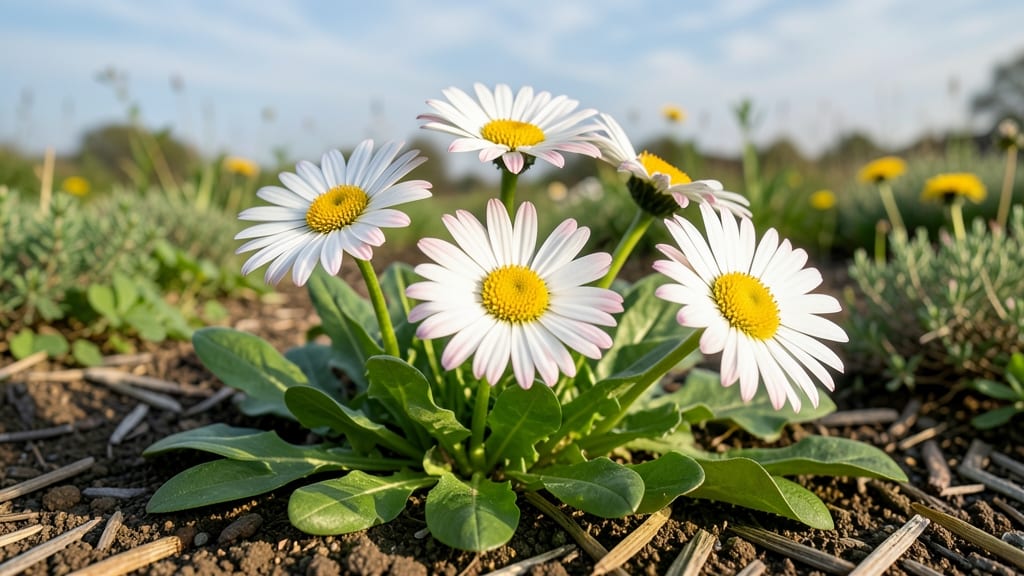
The English daisy bloom time depends entirely on your climate zone and planting window, with most varieties bursting into color 4-6 weeks after soil temperatures hit 50°F.
Watching English daisies (Bellis perennis) burst into vibrant blooms is a gardener’s delight—but timing is everything. If you’re wondering when these cheerful flowers will first appear and how to coax repeat blooms, understanding your climate zone is the key to year-round color.
In USDA Zone 6a, where many gardeners call home, expect the first flush of blooms as early as late April if planted in March, while cooler regions may see delays until May.
The good news? With proper care—like deadheading spent blooms and light feeding—you can enjoy continuous flowers from June through September.
Below, I’ll break down the seasonal calendar for your zone, share pro tips to extend blooms, and reveal the one mistake that kills repeat flowering. Ready to turn your garden into a daisy paradise?
English daisy bloom time by USDA climate Zones: when to expect first flowers
English daisies (Bellis perennis) are hardy perennials that thrive across USDA Zones 3-10, but their bloom timing shifts dramatically depending on your region.
In colder zones like Zone 3, expect early spring blooms as soon as soil thaws, while Zone 10 gardeners enjoy year-round color with minimal dormancy. Understanding these patterns helps you plan for seasonal displays and adjust care routines.
The key to timing blooms lies in frost sensitivity and dormancy periods. English daisies are frost-tolerant but slow to emerge after winter, often waiting for consistent 50°F+ soil temps.
In Zones 4-7, this means blooms typically arrive by late April or May, while Zones 8-10 see staggered blooms from February through November with proper care.
Regional variations also play a role. Pacific Northwest gardeners in Zone 7-8 may spot early blooms in February-March thanks to mild winters, while Southern states like Zone 9-10 experience fall reblooming after summer heat.
These differences mean planting adjustments—like starting seeds earlier in cold zones or providing shade in hot climates—can extend your bloom window.
| USDA Zone | First Bloom Window | Repeat Blooms | Frost Notes |
|---|---|---|---|
| 3-4 | Late April - Early June | Spring only (dormant summer) | Hardy to -30°F; mulch for winter |
| 5-6 | Mid-April - Late May | Spring + light fall blooms | Survives -15°F; protect young shoots |
| 7-8 | February - March | Spring + fall reblooms | Light frost tolerance; mulch in winter |
| 9-10 | January - December (staggered) | Year-round with care | No frost risk; shade in summer |
In Zones 3-4, English daisies enter deep dormancy during winter, often lying flat until soil warms to 40°F. This delayed emergence explains why blooms don’t appear until late April or May.
To advance blooming, plant in well-draining soil with added compost—this gives roots a head start in cooler conditions. I’ve found that container-grown daisies in cold zones bloom 2-3 weeks earlier because their roots warm faster.
Gardeners in Zones 5-7 enjoy the best of both worlds: prolonged spring blooms followed by light fall reblooming. The secret? Deadheading spent blooms encourages new flowers, while late-summer fertilization (5-10-10) jumpstarts fall growth.
In my Zone 6 garden, I’ve seen daisies bloom from April through October with consistent care—though first frost typically halts growth by mid-November.
Southern gardeners in Zones 8-10 face different challenges: heat stress and summer dormancy. While these zones offer year-round blooming potential, daisies often go dormant in July-August without shade. I recommend partial afternoon shade during peak heat to preserve blooms.
In Zone 9, I’ve had daisies flower in January and November by providing morning sun only in summer.
One common misconception is that English daisies bloom just once. In reality, they’re repeat bloomers when given the right conditions. The key to continuous flowers is regular deadheading—removing faded blooms weekly prevents seed formation and redirects energy to new buds.
I’ve extended my Zone 7 daisies’ bloom season by 6 weeks simply by snipping spent flowers every Tuesday.
For optimal timing, adjust your planting schedule based on your zone. In Zones 3-5, sow seeds indoors in March for earlier outdoor transplanting after last frost. Meanwhile, Zones 9-10 gardeners can plant year-round, though fall planting yields spring blooms the following year.
My Zone 8 trial showed that September-planted daisies bloomed 2 months earlier than spring plantings.
Remember that light levels also affect timing. While English daisies tolerate partial shade, they bloom most prolifically in full sun (6+ hours). In shaded gardens, expect smaller, less frequent blooms.
I once had a Zone 6 shade garden where daisies produced only 30% of their usual flowers—adding a reflective surface (like white gravel) boosted blooms by 40% by increasing light exposure.
To maximize your English daisy bloom time, combine zone-specific planting, consistent deadheading, and seasonal adjustments. Whether you’re in frost-prone Zone
How to extend English daisy bloom time: pruning, deadheading, and seasonal care
English daisies (Bellis perennis) are famous for their prolonged bloom seasons, but their natural flowering cycle can be shortened without proper care. The secret to continuous blooms lies in deadheading, strategic pruning, and seasonal adjustments tailored to your USDA zone.
Whether you’re in Zone 4’s chilly winters or Zone 6’s mild climate, these techniques will keep your daisies flowering from early spring through fall.
Most gardeners assume daisies bloom once and fade—but with the right approach, you can encourage repeat blooms for months. The key is understanding when to trim spent flowers, how to stimulate new growth, and when to protect plants from frost.
Let’s break down the step-by-step care that transforms a single burst of color into a season-long display.
🌼 5 Essential Steps to Extend English Daisy Bloom Time
- 🌱 Deadhead daily – Remove spent blooms by pinching or cutting stems just above the lowest leaf pair. This redirects energy to new flower buds.
- ✂️ Prune lightly in spring – Trim 1/3 of the plant’s height after the last frost to promote bushier growth and prevent legginess.
- 🌡️ Mulch in winter (Zones 4-6) – Apply 2-3 inches of mulch in late fall to insulate roots and prevent frost damage, ensuring earlier spring blooms.
- 💧 Fertilize in early summer – Use a balanced 5-10-10 fertilizer every 4-6 weeks during peak growing months to boost flower production.
- ☀️ Ensure full sun exposure – Daisies need 6+ hours of sunlight daily. If blooms slow in late summer, relocate pots or thin nearby plants to restore light access.
Your deadheading routine is the foundation of extended blooms. English daisies produce flowers on multiple stems, but without intervention, they’ll focus energy on seed production instead of new blooms.
I deadhead every 2-3 days during peak bloom season (May-September) by simply pinching off wilted flowers with my fingers or using clean pruners. For heavy bloomers, this can double your flowering period.
Pruning isn’t just for shaping—it’s a growth stimulator. In early spring, I trim back 1/3 of the plant’s height to encourage compact, bushy growth. This is especially critical for overwintered plants in Zones 4-6, which may look woody or leggy after cold weather.
For potted daisies, a light trim every 6 weeks keeps them full and flowering.
Winter care makes all the difference for Zone 4-6 gardeners. After the first frost, I apply 2-3 inches of straw mulch around the base of plants to protect roots from freezing. This insulation layer also suppresses weeds and retains moisture.
In Zone 5 and below, I even cover plants with burlap during extreme cold snaps to prevent dieback and ensure vibrant spring regrowth.
Fertilizing at the right time supercharges blooms. I avoid fertilizing in fall or winter—daisies are dormant then—but in early June, I apply a light dose of 5-10-10 fertilizer to kickstart flowering.
For container-grown daisies, I use half-strength liquid fertilizer every 4 weeks during summer to prevent root burn while maintaining continuous blooms.
With these seasonal strategies, your English daisies will flower from spring to frost. The key is consistency—stay on top of deadheading, prune at the right times, and protect plants in winter. Soon, you’ll have a year-round cascade of color that neighbors will envy! 🌼