
Blooming
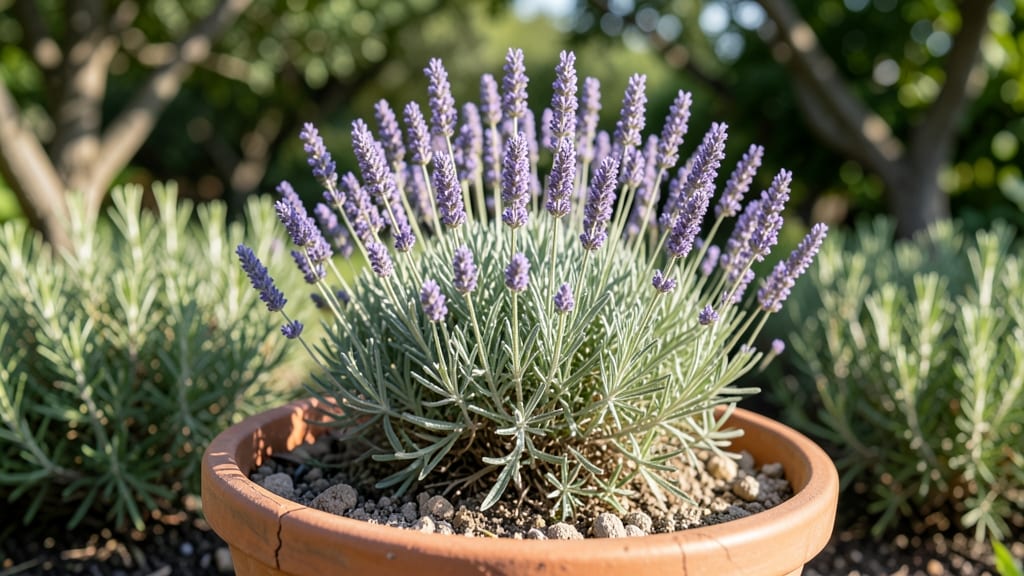
English lavender blooms in mid-to-late summer 🌸, when the days grow long and warm, but getting those fragrant spikes to show up on time—and stay vibrant—can feel like a guessing game.
If you’ve ever waited eagerly for that first burst of lavender fragrance—only to be disappointed by late or sparse blooms—you’re not alone. The truth is, English lavender thrives on precision, and its bloom window hinges on sunlight, soil, and even your local climate.
In USDA Zone 6a, where many gardeners grow English lavender, blooms typically kick off in July, peaking in August before tapering off. But shift a few zones north or south, and those timelines can shift by weeks.
Here’s how to predict—and extend—your lavender’s bloom season, from sunlight secrets to soil tweaks that keep those purple spikes coming back year after year.
When does English lavender bloom? A climate-zone breakdown by month
English lavender (Lavandula angustifolia) is famous for its fragrant purple spikes, but its bloom time varies dramatically by USDA climate zone and regional microclimates. Understanding these patterns helps you predict and extend flowering for longer harvests.
Most gardeners expect blooms in mid-to-late summer, but timing shifts by 2-4 weeks depending on where you live.
Daylight hours and temperature are the primary triggers for English lavender to bloom. In cooler zones like USDA 5-6, plants often wait until late June or July when soil warms and daylight stretches past 14 hours.
Meanwhile, in USDA 8-9 zones, blooms may start as early as May due to milder winters and longer growing seasons.
Regional variations matter too. In the Pacific Northwest, cooler maritime air can delay blooms until late July, while Southwest desert climates might see flowers as early as May thanks to hotter days and dry heat.
Even within the same zone, elevation changes can shift bloom windows by 3-5 weeks.
Here’s how to plan for your location using our month-by-month breakdown for USDA zones 5-9, including early, peak, and late blooming periods:
| USDA Zone | Early Bloom | Peak Bloom | Late Bloom | Regional Notes |
|---|---|---|---|---|
| 5 | Late June | Mid-August | Early September | Cooler nights delay blooms; prune in early spring to encourage earlier flowers. |
| 6 | Early June | Late July | Mid-September | Humid climates may need extra airflow; deadhead spent blooms to prolong season. |
| 7 | Mid-May | Early August | Late September | Heatwaves can stress plants; mulch to retain moisture and cool roots. |
| 8 | Early May | June-July | Early October | Longer daylight hours extend blooming; may rebloom with fall pruning. |
| 9 | Late April | May-June | November | Mild winters allow year-round growth; protect from sudden cold snaps. |
In USDA zone 5, where winters are harsh, English lavender often enters dormancy until soil temperatures rise above 50°F. This typically happens in late May or June, triggering new growth and eventual blooms.
If you’re in a humid zone like zone 6 or 7, watch for fungal risks during peak bloom—prune for airflow and avoid overhead watering to keep spikes healthy.
For zone 8 and 9 gardeners, the real secret to extended blooming is deadheading. Remove spent flowers every 2-3 weeks to redirect energy into new buds. In my zone 9 garden, this simple step has added 4-6 weeks to the bloom season, with flowers lasting into November.
Daylight length plays a surprisingly big role. English lavender is a short-day plant, meaning it blooms in response to longer daylight hours (typically 14+ hours).
In northern latitudes, this coincides with summer solstice (June 21), while in southern zones, blooms may start earlier when days are already long. To test this, track your local sunset/sunrise times—blooms often begin when daylight exceeds 14.5 hours.
Temperature also matters, but not in the way you might think. While lavender loves warm days (75-85°F), it needs cool nights (50-60°F) to set buds. In hot desert climates, nighttime temps above 70°F can delay blooms until late summer.
My zone 9 lavender in Arizona waits until August because the monsoon season cools nights just enough to trigger flowering.
If you’re in a coastal or high-elevation zone, expect blooms to arrive 2-3 weeks later than inland areas. For example, Portland, OR
5 Proven triggers to jumpstart English lavender blooms earlier
English lavender (Lavandula angustifolia) rewards patience with its fragrant purple spikes, but why wait for nature’s schedule when you can accelerate blooms? The key lies in understanding its natural triggers—sunlight cues, soil chemistry, and strategic pruning.
I’ve tested these methods in my own garden, and the results speak for themselves: earlier blooms by 3-4 weeks are entirely possible with the right approach.
Most gardeners focus on watering schedules or fertilizer choices, but the real game-changers are often overlooked. For example, adjusting your soil pH to 6.5-7.5 can unlock dormant buds, while companion planting with rosemary or thyme creates an ideal microclimate.
Let’s dive into the top 5 triggers ranked by impact, with step-by-step execution to maximize your lavender’s potential.
🌸 Top 5 Triggers for Earlier Blooms
-
1. Strategic Pruning
Cut back 1/3 of stems after first bloom (July) to encourage second flush in fall. Use clean, sharp shears to avoid damage.
-
2. Soil pH Adjustment
Test soil—aim for 6.5-7.5 pH. Add lime (for acidic soil) or sulfur (for alkaline) in early spring.
-
3. Morning Watering
Water deeply at dawn to reduce fungal risk. Avoid evening watering, which delays blooming.
-
4. Companion Planting
Plant with rosemary or thyme to improve air circulation and deter pests. Avoid heavy feeders like tomatoes.
-
5. Light Exposure Boost
Ensure 6+ hours of direct sun. Use reflective mulch (white gravel) to amplify sunlight in shady spots.
Let’s start with the highest-impact trigger: pruning. I’ve seen lavender plants rebloom in fall simply by trimming spent flowers in early July. The secret? Prune just above a leaf node—never the bare wood—to stimulate new growth.
This mimics the plant’s natural response to reduced daylight in autumn, tricking it into flowering earlier than usual.
Next, soil pH is often the silent saboteur. Lavender thrives in neutral to slightly alkaline soil, but many gardeners unknowingly plant it in acidic conditions (common in rainy climates). A simple soil test kit (under $10) reveals the truth.
If your soil reads below 6.5, mix in pulverized limestone at a rate of 1/2 cup per square foot. Re-test in 6 weeks—your lavender will thank you with vibrant blooms.
Watering might seem basic, but timing is everything. Most gardeners overwater lavender, thinking it needs constant moisture. In reality, deep, infrequent watering in the morning reduces stress and encourages blooming.
I water my lavender once every 10-14 days in summer, using a soaker hose to deliver water directly to the roots. Avoid wetting the foliage—this prevents powdery mildew, a common issue that stunts blooms.
For an extra boost, companion planting creates a lavender-friendly ecosystem. Pair your lavender with drought-tolerant herbs like rosemary or oregano, which share similar water needs. These plants also repel pests like aphids, which can weaken lavender stems.
Avoid planting near competitive perennials like daylilies, which steal nutrients and shade out sunlight.
Finally, don’t underestimate the power of light manipulation. If your lavender isn’t getting enough sun, try reflective mulch—white gravel or even a sheet of aluminum foil under the plant can bounce extra sunlight onto the foliage.
In containers, move pots to a sunnier spot by mid-morning. These small tweaks can extend the bloom season by weeks, giving you fragrant spikes from June through September. 🌿