Propagation
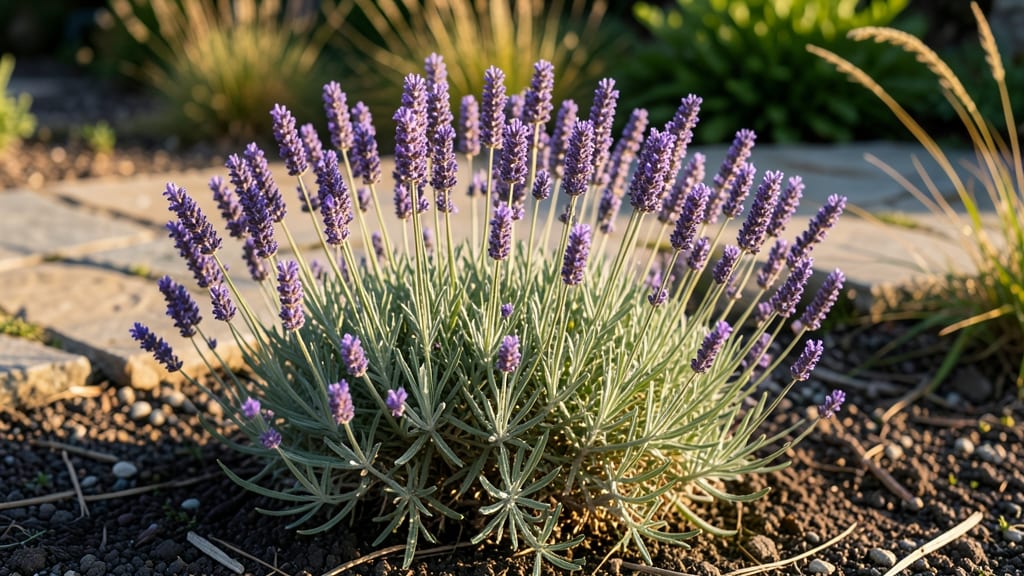
Growing lavender from seed to its first bloom takes about 12–18 months, starting with a 14–21-day germination period, followed by 6–12 months of slow but steady seedling growth before flowers finally appear in the second year under perfect growing conditions.
Lavender seeds are notoriously slow to mature, and their journey from tiny seed to fragrant bloom involves several critical stages. 🌱 The initial germination phase can feel like an eternity—especially since lavender seeds often require a cold stratification period to break dormancy.
Once sprouted, seedlings grow gradually, needing consistent sunlight and well-draining soil to develop strong roots. Many gardeners rush this process by providing ideal conditions, but even then, the first blooms typically won't appear until the plant is fully established—usually in its second year.
What sets lavender apart from other plants is its hardiness and patience requirement. Unlike fast-growing annuals, lavender thrives when given time to develop deep root systems, which is why rushing the process often leads to disappointment.
I’ve found that planting in early spring or late summer—when temperatures are moderate—helps create the best conditions for steady growth. Proper spacing and avoiding overwatering also play a huge role in ensuring those first delicate purple blooms appear sooner rather than later.
💡 In This Article
- Lavender Seed Germination and Growth Stages to First Bloom
- Tips to Speed Up Lavender Flowering from Seed
Lavender seed germination and growth stages to first bloom
Lavender seeds enter a natural state called dormancy to survive harsh conditions, which is why they often need a cold stratification period of 2–4 weeks at 35–40°F before sprouting. This mimics winter's chill, breaking down seed coatings that block moisture absorption.
Once stratified, germination typically occurs in 14–21 days when soil temperatures reach 60–70°F, though some varieties may take up to 30 days if conditions aren't ideal. The key here is patience—the seeds won't rush, even with perfect warmth and moisture.
After sprouting, seedlings enter a slow but critical root development phase that lasts 6–12 months. Lavender roots grow deep (often 3–4 feet) to access water and nutrients, while above-ground growth remains modest—just a few inches of woody stems and narrow leaves.
This phase requires well-draining soil (sandy loam with pH 6.5–7.5) and full sun (6+ hours/day), as insufficient light triggers "leggy" growth that weakens the plant. Without proper light exposure, seedlings may take even longer to mature.
The transition to flowering depends on three key triggers: plant maturity, day length, and temperature. Lavender plants need to reach 12–18 months old before they can produce buds, and they require 14–16 hours of daylight (common in late spring/summer) to initiate flowering.
Cool nights (50–60°F) further signal the plant to bloom, which is why first flowers often appear in late spring of the second year—not the first. This biological delay ensures the plant has enough energy stored in its roots to support blooms.
One common misconception is that lavender blooms quickly like annuals, but its perennial lifecycle demands time. The first year focuses entirely on root and stem development, while the second year shifts energy to flowering.
For example, English lavender (Lavandula angustifolia) typically blooms 6–8 weeks after new growth begins in spring, but only if the plant has reached 18–24 inches tall with a sturdy woody base. Smaller or underdeveloped plants may skip flowering entirely that season.
Soil quality plays a surprising role in speeding up this process. Lavender hates soggy roots, so amending clay soil with perlite or coarse sand (to achieve 50–70% drainage) can reduce stress and encourage faster growth.
Overwatering during the root phase delays maturation, while light, infrequent watering (every 2–3 weeks) once established promotes stronger stems. The result? A plant ready to bloom 2–4 weeks earlier than those in heavy or waterlogged soil.
Here's what happens under ideal conditions: A seed sown in early spring (March–April) germinates by May, grows 4–6 inches tall by summer, overwinters, then blooms in June of the following year.
But if planted in late summer, germination may wait until spring, pushing blooms to late summer of the second year. Timing matters!