
Blooming
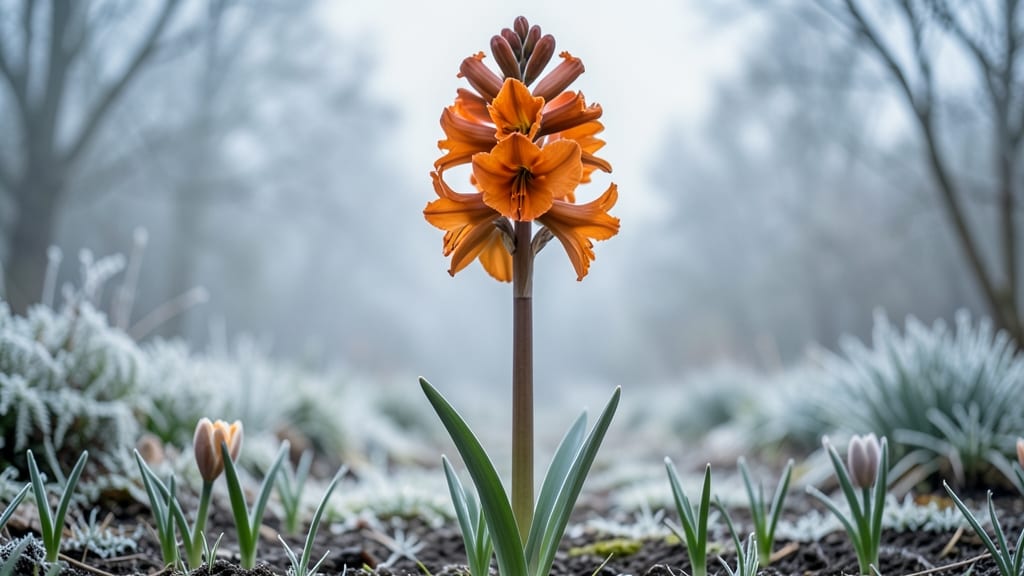
Spring’s first flowers are nature’s way of breaking winter’s grip—these hardy blooms emerge even after light frost, adding vibrant color and life to your garden. Discover the toughest early-season flowers that thrive when most plants still sleep.
Snowdrops: Delicate White Harbingers of Spring
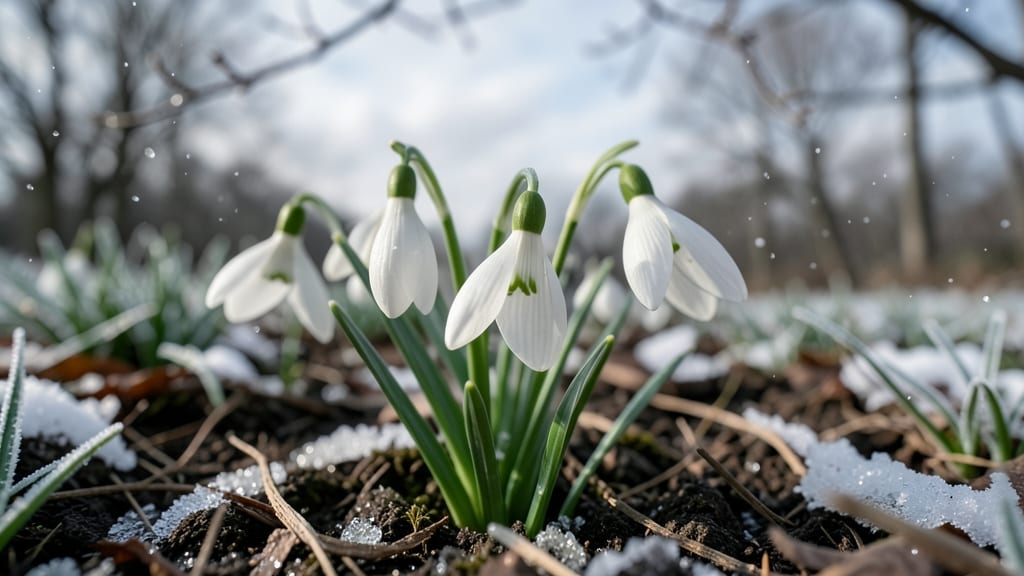
When winter still clings to your garden, snowdrops defy the cold with their delicate white blooms, often appearing as early as January in milder regions. These iconic flowers symbolize renewal and are among the first to push through snow, making them a magical addition to any early spring garden.
Thriving in shady woodland gardens, snowdrops prefer well-draining soil and partial to full shade. Plant bulbs in fall, 2-3 inches deep, and enjoy their cheerful faces peeking through frost by late winter. They’re deer-resistant and multiply over time, creating naturalizing drifts that brighten dark corners.
Perfect for gardeners who love low-maintenance beauty, snowdrops bring hope to early-season landscapes and pair beautifully with hellebores or ferns. Their early blooms are nature’s way of saying spring is on the way! 🌱
Crocuses: Purple and Yellow Ground Cover Stars
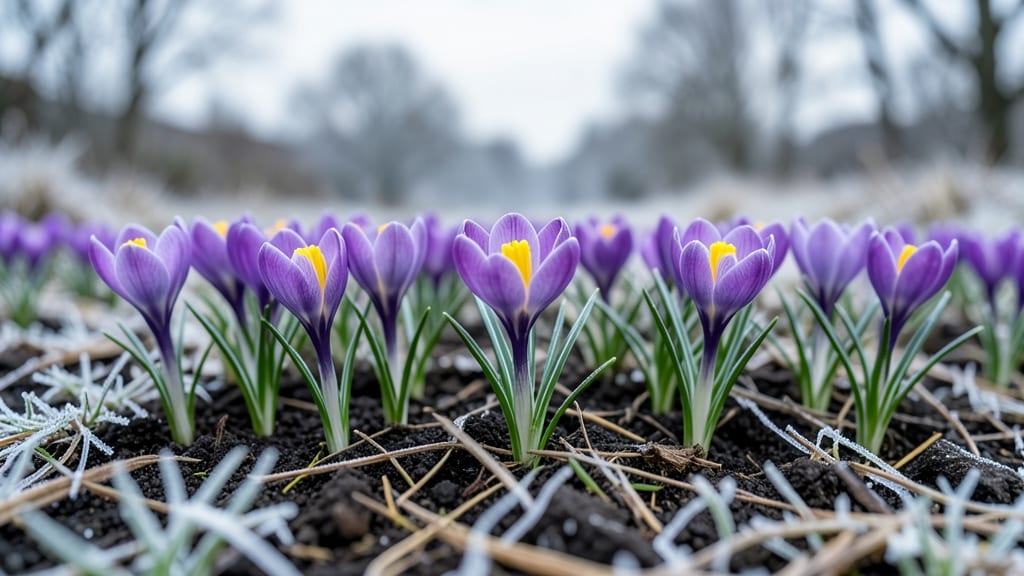
If you're craving a splash of color before spring officially arrives, crocuses are your secret weapon. These tiny but mighty blooms push through frost-covered soil in late winter, often appearing as early as February in milder climates. Their cheerful purple and yellow flowers create a stunning contrast against bare ground or snow, signaling that spring is on its way.
Plant them in full sun to partial shade and watch them naturalize effortlessly over time, forming dense carpets that suppress weeds. Crocuses thrive in well-draining soil and require minimal care—just a light mulch to protect them during harsh winters. Their early blooms provide essential nectar for bees and other pollinators emerging from dormancy, making them a vital early-season food source.
Perfect for urban gardeners with limited space, crocuses fit beautifully in rock gardens, lawns, or containers, brightening up even the smallest outdoor areas. Their low-maintenance nature and early bloom time make them a must-have for anyone eager to welcome spring. 🌻
Winter Aconite: Bright Yellow Sunburst Flowers
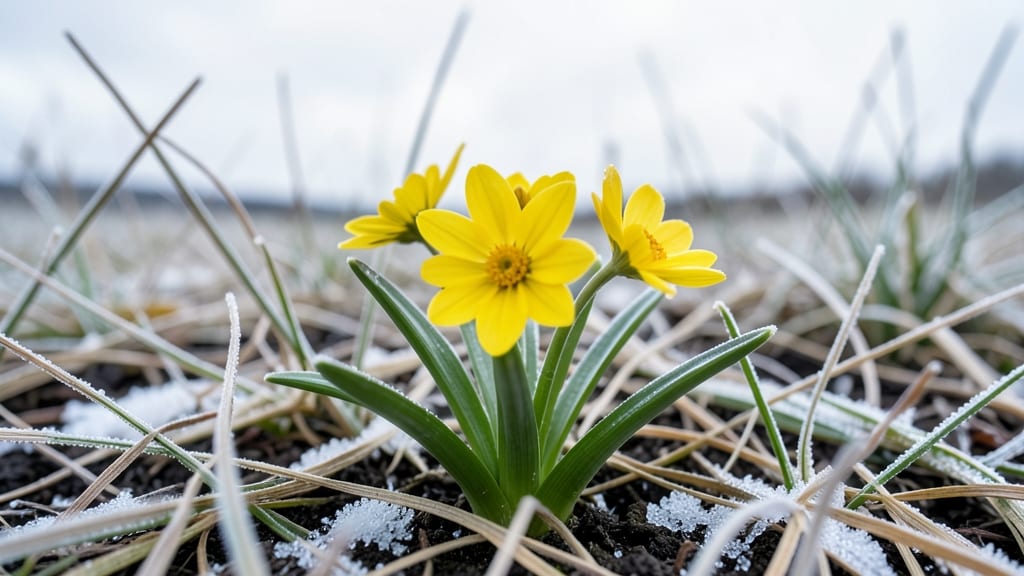
If you’re craving bright yellow color in your garden before daffodils even think about waking up, winter aconite (Eranthis hyemalis) is your secret weapon. This cheerful little perennial blooms as early as February in mild climates, often pushing through snow or light frost to deliver sunburst-like flowers that light up shady corners.
Unlike most early bloomers, winter aconite thrives in partial shade—making it perfect for underplanting shrubs, borders, or woodland gardens where sunlight is limited. Its low-growing habit (just 4–6 inches tall) lets you tuck it into existing plantings without stealing the show. After blooming, its glossy, heart-shaped leaves provide a tidy green backdrop until summer.
This low-maintenance beauty is ideal for gardeners who want color without fuss—just plant the corms in well-draining soil and forget about them until spring. Perfect for beginners or busy gardeners, it’s a reliable way to add early pollinator support and a pop of sunshine to overlooked spots. 🌻
Hepatica: Tiny Woodland Trillium-Like Blooms
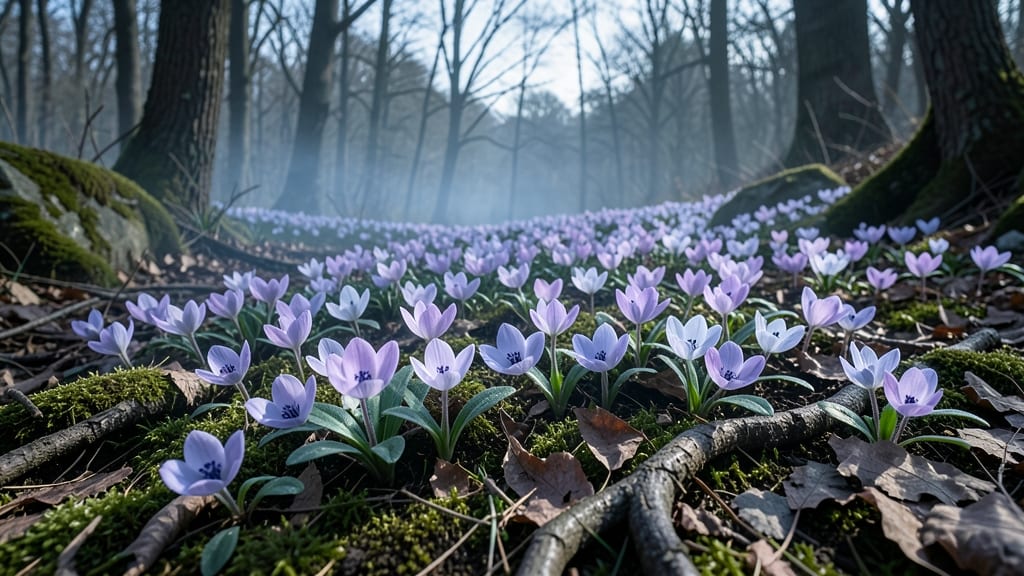
If you crave a woodland garden that feels like a secret forest retreat, hepatica is your hidden gem. These delicate three-lobed blooms appear in late winter to early spring—often before leaves even emerge—creating a magical carpet of color under trees where other plants struggle.
Native to North American forests, hepatica thrives in dappled shade and moist, well-draining soil, making it perfect for underplanting shrubs or filling gaps in shade gardens. Its early blooms feed bees and early pollinators when few other flowers are available, and varieties like 'Pink Pearl' or 'White Anemone' add soft pastel hues to your spring palette.
This low-maintenance perennial is ideal for gardeners who love native plants and want to extend their blooming season without high effort. Just avoid heavy mulch—it prefers natural leaf litter to mimic its forest home. 🌿
Glory-of-the-Snow: Stunning Pink and White Starbursts
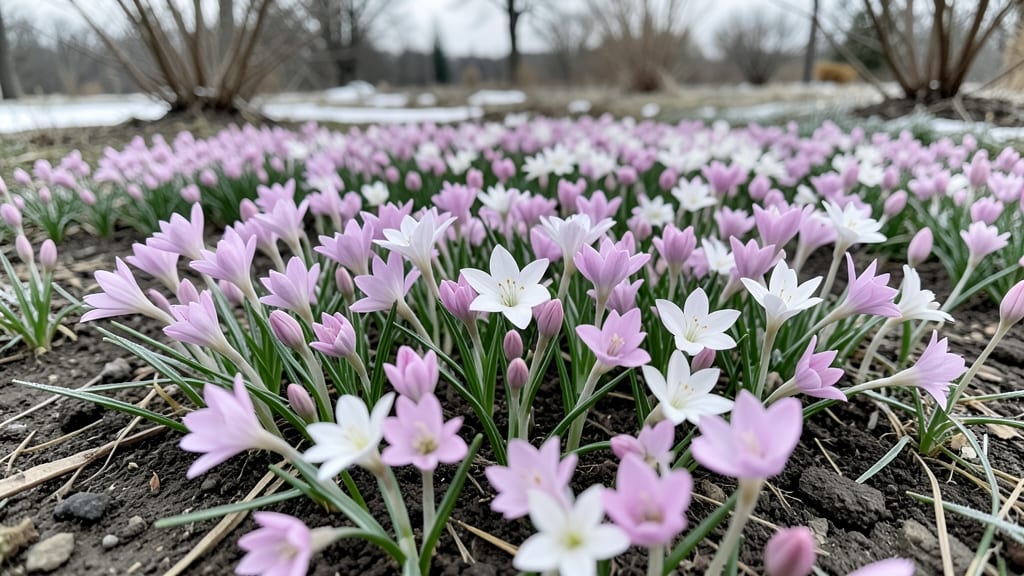
If you crave a burst of color in late winter when most gardens are still dormant, glory-of-the-snow (Chionodoxa) delivers with its cheerful pink and white starbursts. These tiny bulbs bloom as early as February in mild climates, often pushing through snow or frost to create a dazzling carpet of flowers.
Unlike shade-loving woodland bloomers, glory-of-the-snow thrives in full sun, making it perfect for sunny borders, containers, or even rock gardens. Plant bulbs 3-4 inches deep in well-draining soil in fall, and they’ll multiply quickly, spreading to form dense clusters. The flowers last just 2-3 weeks but create a stunning visual impact that’s hard to beat for early-season drama.
This is the ideal choice for urban gardeners with small spaces or anyone who wants to add instant color without the upkeep of perennials. 💚
Pulsatilla: Silky Blue Pasque Flowers
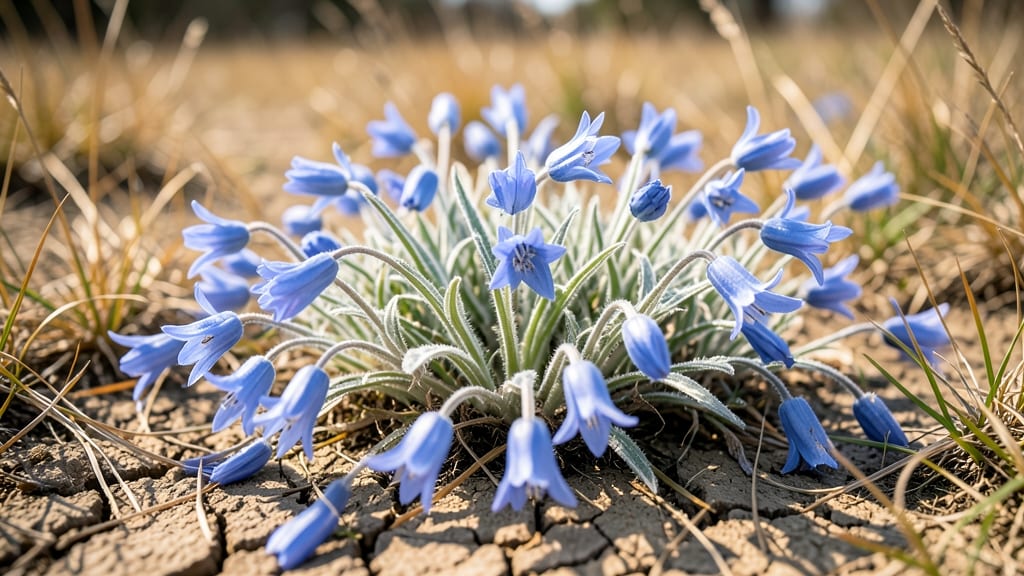
When you crave a wild, effortless look in your garden without the upkeep, Pulsatilla (Pasque flowers) steals the show with their silky blue blooms that appear in early spring—often before most perennials even stir. These drought-tolerant charmers thrive in dry, sunny spots where other plants struggle, making them ideal for low-water landscapes or neglected corners.
Native to meadows and prairies, Pulsatilla produces delicate, nodding flowers on fuzzy stems that emerge in late winter to early spring. Their secret weapon? Self-seeding prolifically, they’ll naturalize over time, creating a dreamy, cottage-garden effect with minimal effort. Plant them in well-draining soil with full sun, and they’ll reward you with deer-resistant blooms that last for weeks. Plus, their unique seed heads add texture long after the flowers fade.
Perfect for gardeners who love wildflower meadows or rustic cottage gardens, these low-maintenance blooms thrive where others fail—ideal for sunny, dry slopes or borders. Their early spring color is a game-changer for pollinators emerging from dormancy. 🌷
Daffodils: Classic Yellow Spring Showstoppers
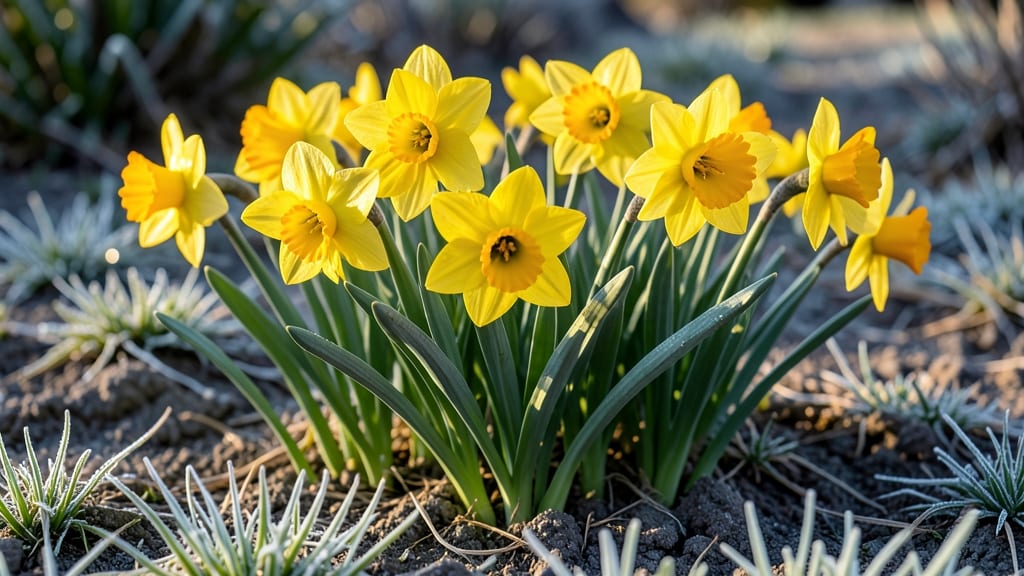
When you want a bold statement in early spring, daffodils deliver with their iconic yellow blooms that push through frost and cheerfully announce warmer days. Unlike delicate snowdrops or crocuses, these hardy bulbs thrive in full sun and even deter squirrels with their bitter-tasting foliage, making them a low-maintenance workhorse for any garden.
Choose from countless varieties, from classic trumpet types to miniature 'Tête-à-Tête' daffodils perfect for containers. Plant bulbs in fall (6–8 weeks before frost) in well-draining soil, and they’ll reward you with year-round foliage that naturalizes beautifully in lawns or borders. Their long stems also make them ideal for cutting gardens—just snip when buds are half-open for maximum vase life.
Perfect for first-time gardeners or busy homeowners, daffodils combine early blooms, pest resistance, and effortless charm. Their cheerful faces brighten up borders, containers, or even urban patios with minimal care. 🌷
Bleeding Heart: Heart-Shaped Pink and White Charms
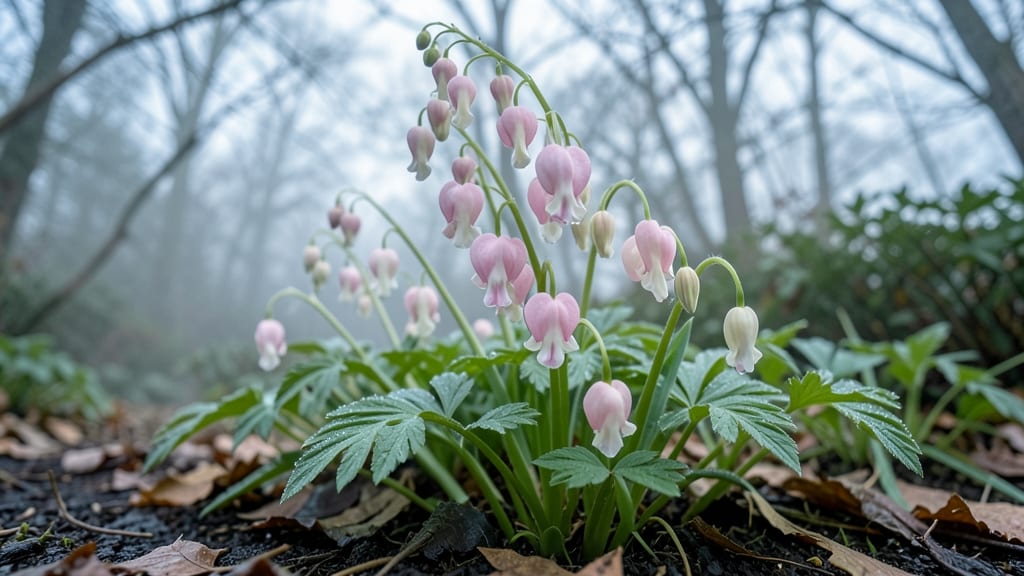
While bleeding heart (Dicentra spectabilis) may not be the absolute first to bloom, its delicate pink and white heart-shaped flowers emerge in late winter to early spring—often before its lacy foliage unfurls. This unique timing makes it a standout for gardeners craving vertical drama in shady spots where other plants are still dormant.
Thriving in partial to full shade, bleeding heart is a woodland garden dream, adding arching stems (2-3 feet tall) that cascade beautifully over banks or pair with ferns and hostas. Plant in well-draining, moist soil in fall, and enjoy blooms that last 4-6 weeks. Deadhead spent flowers to encourage a second flush, though the foliage remains ornamental until summer.
Perfect for shade gardeners and those seeking romantic, cottage-style charm, bleeding heart’s early flowers create a whimsical focal point before summer perennials take over. Pair it with hepatica or lungwort for a layered woodland effect. ✨
Lungwort: Unique Spotted Leaves with Blue Flowers
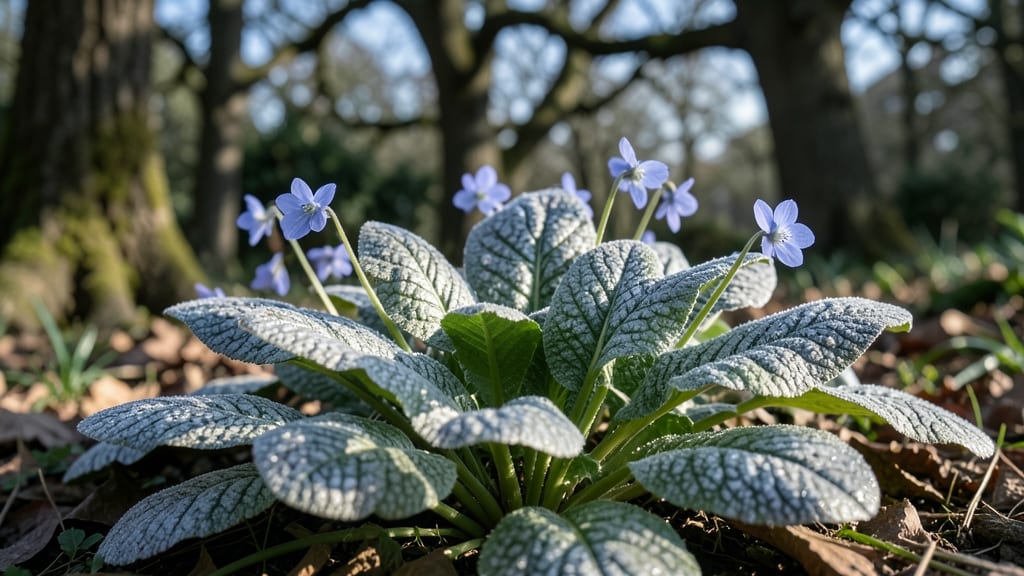
If you're looking for a two-season showstopper that thrives where others falter, lungwort (Pulmonaria) is your secret weapon. This medicinal herb delivers silver-spotted foliage that remains striking long after its early blue blooms fade, making it a standout for cottage gardens and woodland edges.
Unlike most early spring flowers, lungwort excels in moist, shaded areas—perfect for underplanting shrubs or filling gaps between hostas and ferns. Its early blue flowers (appearing in March-April) attract bees before most pollinators wake up, while its spotted leaves provide year-round interest. Simply divide clumps every few years to keep plants vigorous.
Ideal for gardeners who love textured foliage and low-maintenance perennials, lungwort thrives in USDA zones 3-8 and pairs beautifully with hellebores or bleeding hearts. Its dual-season appeal makes it a quiet hero in shaded borders. 💚
Crown Imperial: Dramatic Orange Saffron Crocus

When your early spring garden needs a dramatic statement, Crown Imperial delivers with its fiery orange blooms and towering stems that reach 2-3 feet tall—far taller than typical crocuses. Unlike its low-growing cousins, this fragrant crocus (Crocus sativus) emerges in late winter to early spring, pushing through frost with its bold color and unique saffron threads hidden within its petals.
Plant the corms in full sun with well-draining soil, and watch them thrive in USDA zones 6-9. Their striking height makes them perfect for adding vertical interest to borders, while the edible saffron inside each bloom adds a culinary bonus. Just be warned—deer and squirrels may be tempted by this exotic beauty, so consider protective measures if pests are a concern.
This is the perfect choice for gardeners who want both visual impact and a unique twist on traditional spring blooms. The saffron threads can even be harvested for cooking, making it a dual-purpose plant that's as practical as it is stunning. 💚