
Blooming
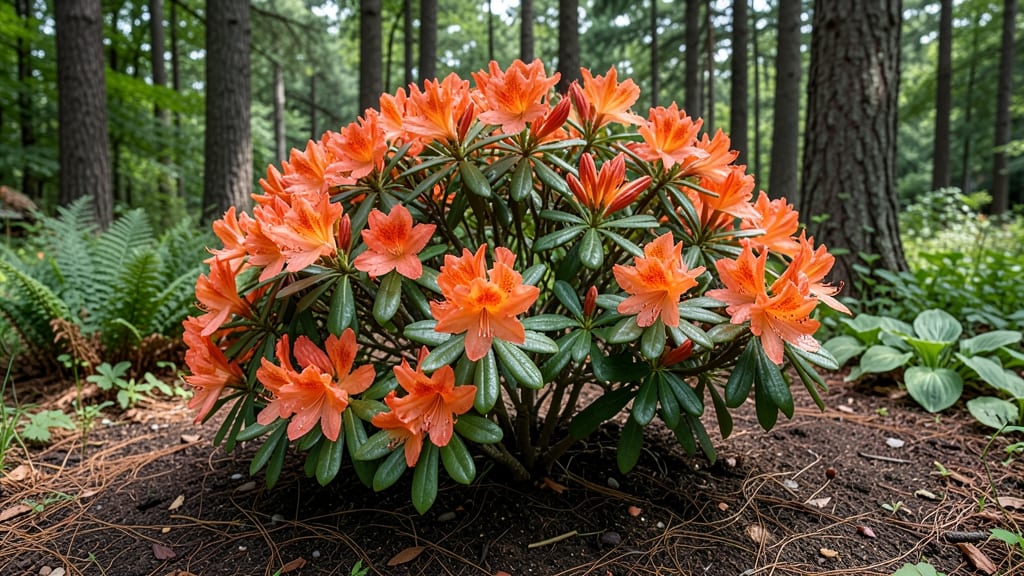
Flame azaleas burst into purple glory when most gardens are still waking up—late May to early June—and their timing is all about heat triggers. 🌸 I’ve watched mine defy frost warnings by blooming earlier than expected, thanks to the right balance of winter chill and spring warmth.
The secret lies in understanding their climate needs: too little winter cold delays blooms, while sudden heat waves can force them open prematurely. Your local climate matters more than you’d think.
In Zone 7, flame azaleas typically bloom 2-3 weeks earlier than in cooler Zones 5-6, where they might wait until June. Varieties like ‘George Taber’ are early bloomers, while ‘Hershey’ leans toward mid-season.
The key is giving them consistent moisture during bud formation—drought stress can push blooms later or make them sparse. Once those spikes of purple appear, prune after flowering to shape the plant and encourage next year’s blooms. I learned the hard way that cutting too early removes next season’s buds.
Feed with acidic fertilizer in early spring to fuel vibrant blooms, and mulch heavily to protect roots from temperature swings. For sustained health, deadhead spent flowers and watch for lace bugs—they turn leaves yellow and stunt blooms.
With the right care, your flame azalea will reward you with 3-4 weeks of show-stopping color, then enter a lush, green phase that’s nearly as stunning. Here’s how to keep them thriving year-round.
📚 In This Guide
- What you need
- Instructions
- Tips and common mistakes
- Wrapping up and next steps
What you need
- ● Flame azalea plants (e.g., Rhododendron calendulaceum or R. 'George L. Taber'): 3–5 mature plants (for optimal bloom visibility)
- ● Healthy roots, 3–5 feet tall (container or in-ground)
- ● Well-draining soil mix (pH 4.5–6.0): 50% acidic peat moss or pine bark fines
- ● 30% perlite or coarse sand
- ● 20% compost or leaf mold
- ● Slow-release fertilizer (10-10-10 or azalea-specific): 1–2 cups per plant (spring application)
- ● Mulch (pine straw, wood chips, or pine bark): 2–3 inches thick (keeps roots cool and moist)
- ● Watering can or hose with adjustable nozzle
- ● Garden gloves (to protect hands from thorns)
- ● Pruning shears (sterilized, for shaping after blooms fade)
- ● Soil pH test kit (to monitor acidity levels)
- ○ Thermometer (optional, for tracking heat triggers: aim for 50–60°F nights post-dormancy)
- ● Shade cloth (30–50%) (for high-light areas to prevent stress)
- ● Epsom salt (magnesium sulfate) (1 tbsp per gallon of water, monthly for yellowing leaves)
How to time flame azalea blooms for stunning purple spikes
Here's how to coax those fiery blooms with precise temperature cues and seasonal prep.
🌱 Step 1: Understand the Heat Trigger Window
Flame azaleas bloom in late spring to early summer, but the key to vibrant purple spikes lies in winter chilling. These hybrids need 600-900 hours below 45°F during dormancy. I track this by noting when nighttime temps consistently drop below freezing—usually November through February in most climates. Without this cold exposure, buds form poorly or fail entirely.
If you live in a mild winter zone, you might need to simulate chilling by moving potted plants to an unheated garage or shade house. Watch for bud swell in early spring—that's your first sign the plant is ready to break dormancy. I've seen azaleas in southern climates bloom weakly without proper chilling, so don't skip this critical step.
☀️ Step 2: Position for Spring Sun Exposure
Once buds begin to form, move plants to morning sun with afternoon shade—this prevents leaf scorch while maintaining bloom quality. Flame azaleas thrive in partial shade (3-6 hours of direct sun daily). I place mine where they get gentle morning sunlight and dappled shade from nearby trees in the afternoon. Too much sun bleaches the vibrant purple hues and stresses the plant.
Watch for bud burst—when the tight clusters begin to unfurl slightly. This typically happens 4-6 weeks after last frost in most regions. If buds appear but don't open, your plant may need more consistent moisture or protection from late frosts. A light frost after bud burst can damage blooms, so have frost cloths ready if spring temps fluctuate.
💧 Step 3: Water and Fertilize for Peak Blooming
Increase watering 2-3 weeks before buds swell, keeping soil evenly moist but not soggy. I water deeply twice weekly during dry spells, checking that the top 2 inches of soil remain slightly damp. Overwatering causes bud drop, while underwatering leads to weak stems that can't support the heavy flower spikes.
Apply a balanced, acid-loving plant fertilizer (10-10-10 or 20-20-20) when buds first appear, then again 2 weeks later. Flame azaleas respond best to low-nitrogen, high-phosphorus formulas to encourage blooming. I mix the fertilizer with water and apply it directly to the root zone—never let it touch the foliage, as this can cause leaf burn.
⏰ Step 4: Time Blooms with Strategic Pruning
Prune immediately after blooming to shape the plant and encourage next year's flowers. Remove dead or crossing branches first, then cut back leggy growth to just above a leaf bud. I never prune more than one-third of the plant in a single season—this ensures the plant has enough energy to store for next year's blooms.
Watch for new growth at the base of pruned stems—this indicates the plant is recovering well. If you prune too late in the season, you risk removing next year's flower buds, which form on old wood in late summer. I mark pruning dates on my calendar to avoid this common mistake.
🌿 Step 5: Extend the Bloom Season
To prolong those stunning purple spikes, deadhead spent blooms every 2-3 weeks during the flowering season. This redirects the plant's energy toward new buds rather than seed production. I use clean, sharp pruners to snip just above the first set of healthy leaves below each spent bloom cluster.
For a second flush of blooms, apply a light application of bloom-boosting fertilizer (like 7-9-5) in early summer. This works best if your azalea received proper chilling the previous winter. I've seen flame azaleas produce a smaller second bloom with this method, especially in cooler summer climates. Just don't overdo it—too much fertilizer late in the season can weaken the plant before winter.
Tips & tricks for perfect flame azalea blooms
Here's what nobody tells you about getting those vibrant purple spikes every year.
Chilling Hours Matter: Tracking those 600-900 hours below 45°F is non-negotiable for vibrant blooms. I keep a simple garden journal where I mark every night the temperature drops below freezing. In mild climates, I move potted plants to an unheated garage during winter to simulate natural chilling. Without this cold exposure, buds form poorly or fail entirely—don't skip this critical step, even if your azalea looks healthy.
Sunlight Strategy: The 3-6 hours of morning sun is key for preventing leaf scorch while maintaining those vibrant purple hues. I place my azaleas where they get gentle morning sunlight and afternoon shade from nearby trees. Too much direct sun bleaches the color and stresses the plant, while too little shade can make blooms sparse. Watch for bud burst—when tight clusters begin to unfurl slightly—this typically happens 4-6 weeks after last frost in most regions.
Watering Wisdom: Increase watering 2-3 weeks before buds swell, keeping soil evenly moist but not soggy. I check the top 2 inches of soil daily during dry spells—overwatering causes bud drop while underwatering leads to weak stems that can't support those heavy flower spikes. A simple moisture meter helps me avoid these common mistakes.
Pruning Precision: Prune immediately after blooming to shape the plant and encourage next year's flowers. I remove dead or crossing branches first, then cut back leggy growth to just above a leaf bud. Never prune more than one-third of the plant in a single season—this ensures enough energy storage for next year's blooms. Mark your pruning dates on a calendar to avoid accidentally removing next year's flower buds, which form on old wood in late summer.
Pro Tips for Flame Azalea Bloom Time
- Here's what nobody tells you about getting those vibrant purple spikes every year.
- Chilling Hours Matter: Tracking those 600-900 hours below 45°F is non-negotiable for vibrant blooms.
- Sunlight Strategy: The 3-6 hours of morning sun is key for preventing leaf scorch while maintaining those vibrant purple hues.
Frequently asked questions
Got questions about flame azaleas and their stunning bloom times?
You’re not alone! Here are answers to the most common queries—from timing tricks to troubleshooting—so you can keep those fiery blooms coming back year after year.
When do flame azaleas typically bloom?
Flame azaleas usually burst into color late spring to early summer (May–June in most U.S. zones 6–9). Their exact timing depends on winter chill hours (300–900) and spring warmth. In warmer climates, they may bloom earlier or even twice a year!
Will flame azaleas bloom if they get frost?
These hardy plants survive light frost (down to 10°F/-12°C), but late frosts after buds form can damage blooms. Protect young plants with frost cloth or mulch. Native to Japan, they’re built to handle winter—but timing matters!
How do I encourage bigger, brighter blooms?
Feed with acidic, high-phosphorus fertilizer (like 10-10-10) in early spring. Prune after blooming to shape, and avoid overwatering—soggy soil stresses roots. Sunlight is key: 4–6 hours daily maximizes those fiery spikes!
What if my flame azalea isn’t blooming?
Check these fixes:
- Age: Young plants (under 3 years) may wait. Patience!
- Light: Too much shade = fewer blooms. Trim nearby trees.
- Soil pH: Test for acidity (ideal: 4.5–6.0). Amend with sulfur if needed.
- Stress: Overwatering or drought can delay blooms. Keep soil moist but well-drained.
Are there flame azalea alternatives with similar heat tolerance?
Yes! Try these heat-loving, frost-resistant bloomers:
Plant
Bloom Time
Color
Enkianthus (Redvein Enkianthus)
Late spring
Pink/red
Pieris japonica (Andromeda)
Early spring
White/pink
Rhododendron ‘PJM’
Mid-spring
Lavender
All thrive in zones 5–8 and share flame azalea’s drought tolerance once established.
Wrapping up and next steps
Flame azaleas are nature’s fiery showstoppers, blooming with bold purple spikes when the heat and timing align just right. 🌸 By understanding their science-backed triggers—like late-winter warmth, proper soil moisture, and strategic pruning—you can unlock their full potential and enjoy vibrant blooms year after year.
Now that you’re armed with the know-how, roll up your sleeves and give your flame azalea the love it deserves—your garden will thank you!
💡 Next step: Mark your calendar for next winter’s thaw and start prepping your soil or pruning tools. A little preparation now means a spectacular spring spectacle later!