
Blooming
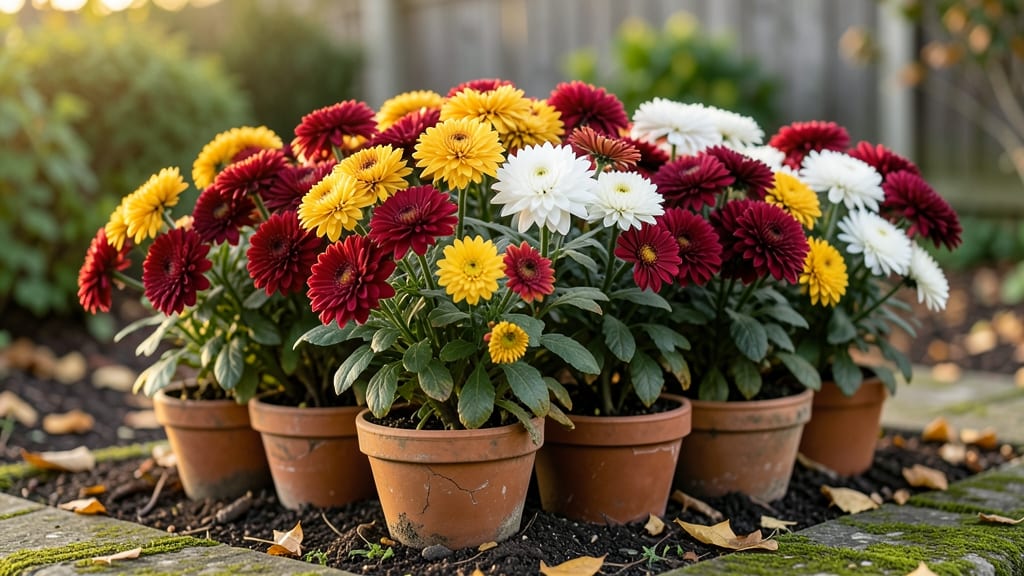
Autumn-blooming flowers such as chrysanthemums, asters, and goldenrod flourish in cooler temperatures, delivering bold hues from September through November. Opt for resilient varieties like hardy mums for striking late-season color or native asters to attract pollinators, while ensuring they receive adequate sunlight and well-drained soil for optimal growth.
Autumn flowers have evolved to capitalize on the seasonal shift, with many species actually preferring cooler temperatures. 🌿 The drop in daylight triggers their blooming cycle, while their deep root systems help them access moisture even as summer droughts persist.
Unlike spring bloomers, these varieties often store energy during summer dormancy, then burst into color when conditions align—making them perfect for extending your garden's season. For best results, I recommend pairing them with evergreens to create year-round interest, while their vibrant hues provide a stunning contrast to the changing foliage.
What sets autumn flowers apart is their ability to thrive in varying climates, from the crisp air of Zone 4 to the milder conditions of Zone 9. 🌸 Many perennials like sedum and pansies actually prefer cooler weather, reblooming after summer heat stress.
This makes them ideal for gardeners looking to maintain color well into November, especially when combined with proper soil amendments and mulching techniques that retain moisture and regulate temperature.
💡 In This Article
- Why Autumn Flowers Thrive in Cool Weather
- Best Autumn Flowers by Month and US Hardiness Zones
Why autumn flowers thrive in cool weather
Autumn flowers have evolved a clever survival strategy: they bloom when temperatures drop because cooler weather actually triggers their flowering hormones. 🌿 This process, called vernalization, occurs when plants experience prolonged exposure to cold, which signals them to shift from vegetative growth to reproductive stages.
Unlike spring bloomers that rely on warming temperatures, these varieties store energy during summer dormancy—think of it as a botanical hibernation—then burst into color when days grow shorter and nights cooler.
The science behind this involves a plant hormone called florigen, which is produced in response to temperature shifts. For example, chrysanthemums (mums) need 10-12 weeks of cooler temperatures (60-65°F) to initiate blooming, while asters thrive when nights dip below 50°F.
This adaptation allows them to outcompete summer annuals by filling the seasonal gap when many other plants have finished their cycles. Their deep root systems also help them access moisture even as summer droughts persist, giving them a competitive edge in dry autumn conditions.
Many autumn perennials, like sedum and pansies, actually prefer cooler weather because it reduces stress from heat and drought. 🌸 These plants often enter summer dormancy, conserving energy until temperatures drop.
The cooler nights of autumn then trigger their second bloom cycle, which is why you'll see pansies flowering beautifully in October after a summer break. This reblooming ability makes them perfect for extending your garden's color palette well into late fall, especially when paired with evergreens that provide year-round structure.
Another key adaptation is their drought resistance. Many autumn flowers develop thicker cuticles or deeper root systems to conserve water during the transition from summer to fall. For instance, goldenrod's fibrous roots can penetrate 3-4 feet deep, accessing moisture that shallow-rooted summer plants can't reach.
This makes them ideal for gardens in regions with unpredictable rainfall patterns, as they'll continue blooming even when other flowers wilt under dry conditions.
What's fascinating is how these flowers use color to attract pollinators during a time when many insects are preparing for winter.
Bright hues like orange, purple, and yellow aren't just for show—they signal to bees and butterflies that these flowers offer their last chance for nectar before hibernation. 🐝 This mutualistic relationship ensures both the flowers get pollinated and the insects have one final meal before winter sets in.
It's a beautiful example of how plants and pollinators have co-evolved to make the most of seasonal opportunities.
For gardeners, this means you can create stunning autumn displays by choosing varieties that match your local climate. In cooler northern zones (Zones 3-5), hardy mums and asters will thrive, while southern gardeners (Zones 7-9) can enjoy extended blooms from pansies and snapdragons.
The key is to plant in well-draining soil with 2-3 inches of organic matter mixed in, and mulch heavily to protect roots from temperature fluctuations that can stress these cool-season plants.