
Flowers
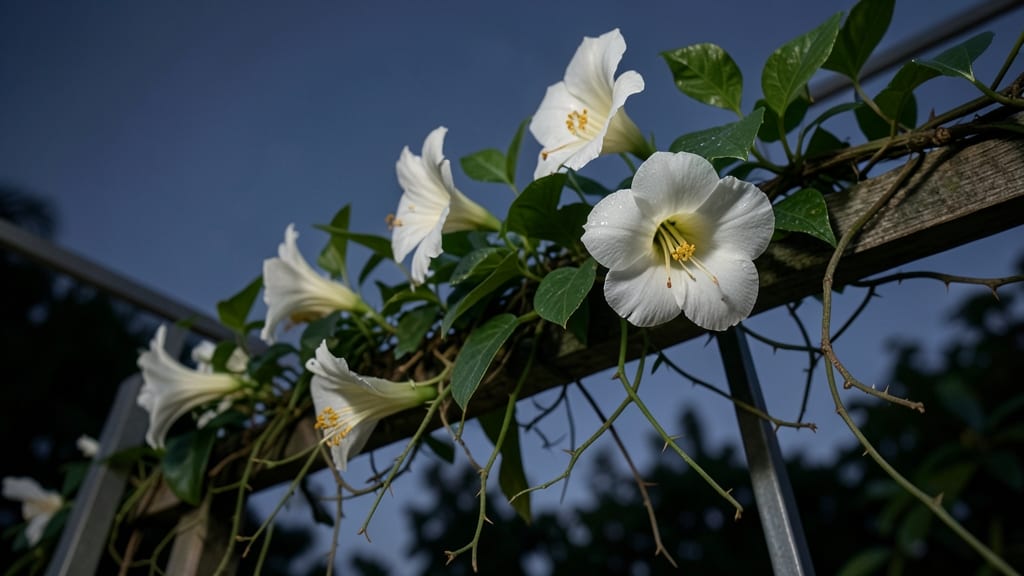
Transform your garden into a living clock with these 10 mesmerizing flowers that open at dawn and close by dusk. Their timed blooming creates a magical, ever-changing display that captivates visitors and adds dynamic beauty to any landscape.
Moonflower Vine (Ipomoea alba)
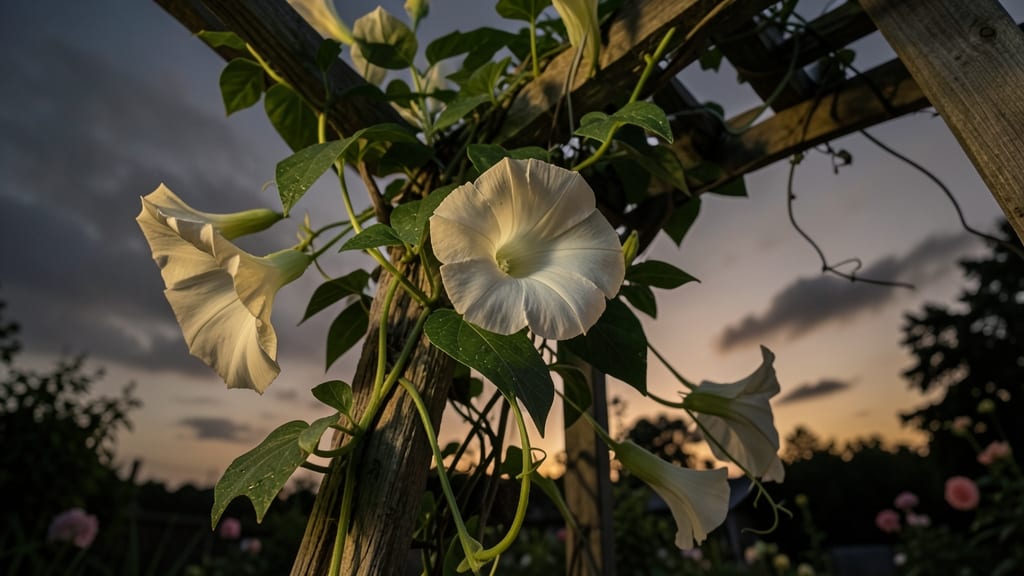
Imagine your garden transforming into a romantic nighttime retreat with the arrival of the moonflower vine (Ipomoea alba). Unlike most flowers that bloom in daylight, this nocturnal beauty unfurls its large, creamy-white petals precisely at dusk, releasing a sweet, intoxicating fragrance that lingers under the moonlight.
To grow moonflowers, plant seeds directly in well-draining soil after the last frost, spacing them 6-8 inches apart along trellises or fences. They thrive in full sun to partial shade and require moderate watering—keep the soil moist but not soggy. The vines can grow 10-15 feet long, making them perfect for vertical gardens or arbors. For best results, plant them near seating areas or pathways where you can enjoy their evening show.
This vine is ideal for gardeners who love moonlit ambiance or want to create a magical evening garden. Perfect for weddings, garden parties, or quiet strolls, moonflowers add a touch of enchantment that daytime blooms simply can't match. ✨
Four O'Clock Flower (Mirabilis jalapa)
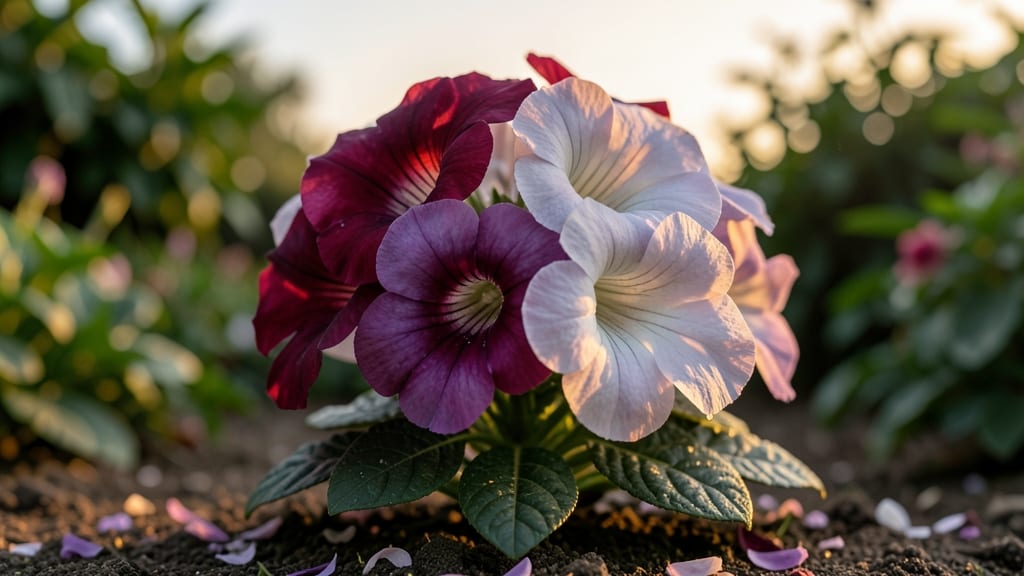
Turn your garden into a living clock with the Four O'Clock Flower (Mirabilis jalapa), a charming heirloom that unfurls its velvety petals with clockwork precision at exactly 4 PM. This isn’t just a flower—it’s a botanical lesson in a bloom, perfect for sparking curiosity in kids or adding whimsy to your landscape.
Available in pink, purple, and white, these tubular flowers thrive in full sun to partial shade and adapt to various soils, making them low-maintenance stars. Plant them in containers or borders for a pop of color that arrives like clockwork—ideal for teaching children about plant biology or designing a timed color display that delights visitors at golden hour.
Best for urban gardens, family-friendly spaces, or pollinator patches, these flowers close by late evening, offering a daily show that’s as educational as it is beautiful. 🌻
Evening Primrose (Oenothera biennis)
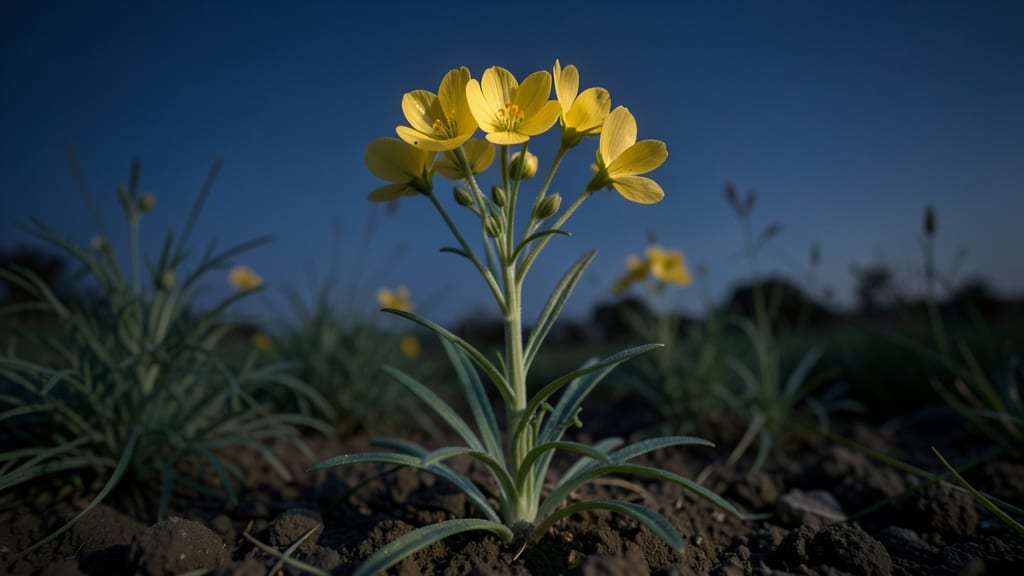
Want to add a touch of magic to your garden that’s visible even after the sun sets? Evening primrose (Oenothera biennis) isn’t just a pretty face—it has a faint bioluminescent quality that makes its yellow blooms glow softly in low light, creating a dreamy, ethereal effect perfect for nighttime photography or moonlit strolls.
This hardy biennial thrives in full sun to partial shade and tolerates poor soil, making it ideal for pollinator gardens. Its delicate flowers open in the evening, attracting moths and bees, while its self-seeding nature ensures it returns year after year. For best results, deadhead spent blooms to encourage more flowers and prevent unwanted spread.
Photographers and gardeners alike will love its low-light charm, while beginners appreciate its easy-care nature. Plant it along pathways or in meadow-style gardens for a wild, natural look that keeps giving long after sunset. 🌿
Morning Glory (Ipomoea purpurea)
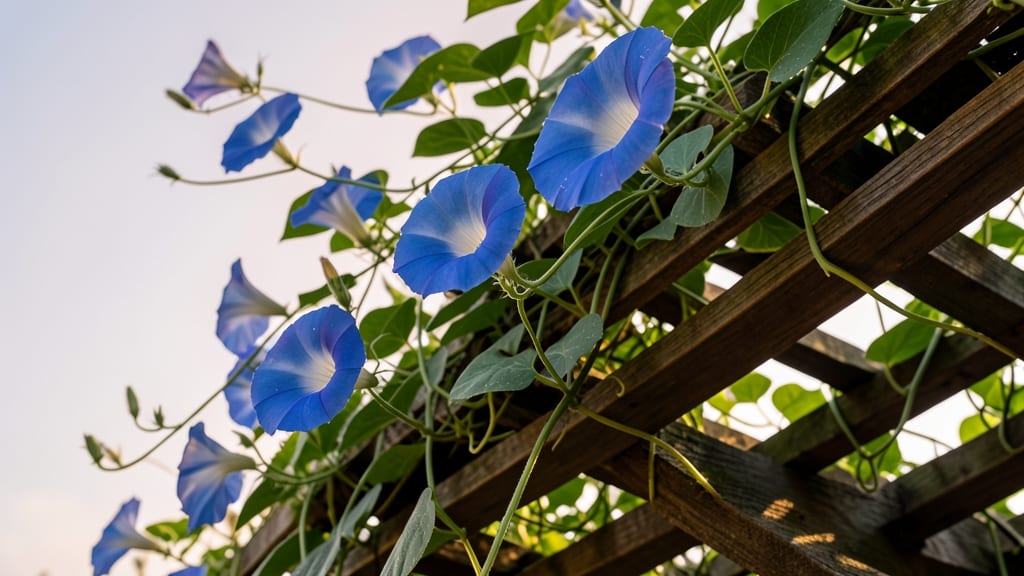
Want to wake up to a burst of color every morning? Morning glory (Ipomoea purpurea) is the perfect fast-growing annual that delivers bright blue flowers by 7 AM, making it ideal for vertical gardens or quick seasonal impact. This vigorous climber can cover trellises in just a few weeks, transforming bare walls into lush, flowering displays.
Plant seeds directly in the garden after the last frost, spacing them 4-6 inches apart at the base of your trellis. Morning glories thrive in full sun (6+ hours daily) and well-draining soil, though they're surprisingly drought-tolerant once established. Deadhead spent blooms to encourage continuous flowering throughout the summer.
Urban gardeners and small-space enthusiasts will love how morning glories turn limited areas into vibrant vertical gardens. Their quick growth and cheerful blooms make them a favorite for renters or anyone wanting instant garden drama. 🌻
Dayflower (Commelina communis)
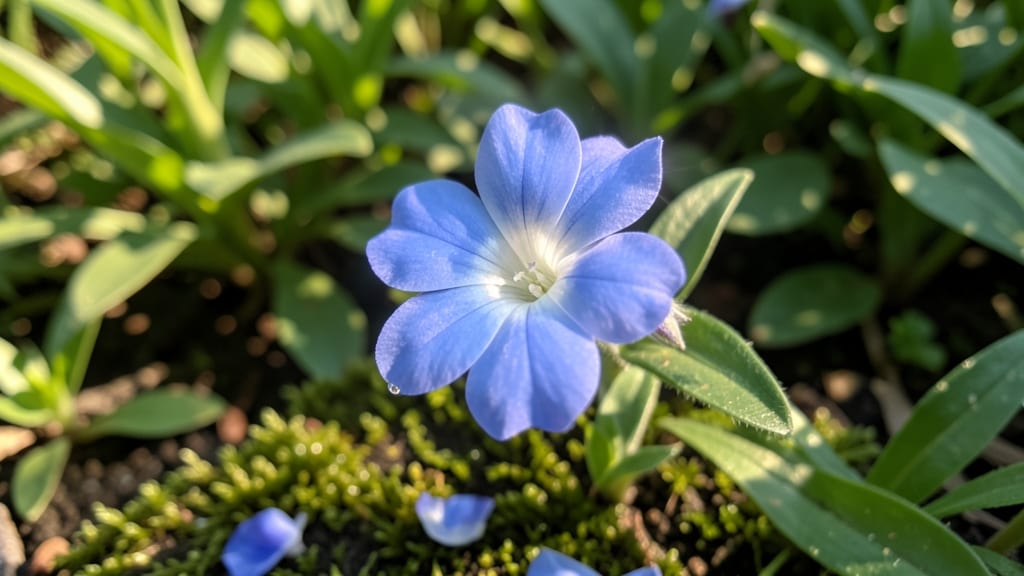
Want a flower that wakes up with the sun and offers more than just beauty? Dayflower (Commelina communis) delivers vibrant blue blooms each morning—plus edible petals that add a pop of color to salads or garnishes. This hardy annual thrives in partial shade and blooms continuously from spring until frost, making it a low-maintenance star for cutting gardens.
Grow dayflower in moist, well-drained soil where it self-seeds easily, creating lush ground covers or borders. Its delicate, three-petaled flowers (with a distinctive white center) close by afternoon but reopen the next day—perfect for teaching kids about plant cycles. The petals are mild-tasting and safe to eat, adding a fun, interactive element to your garden. 🌿
Evening Snapdragon (Mirabilis nyctaginea)
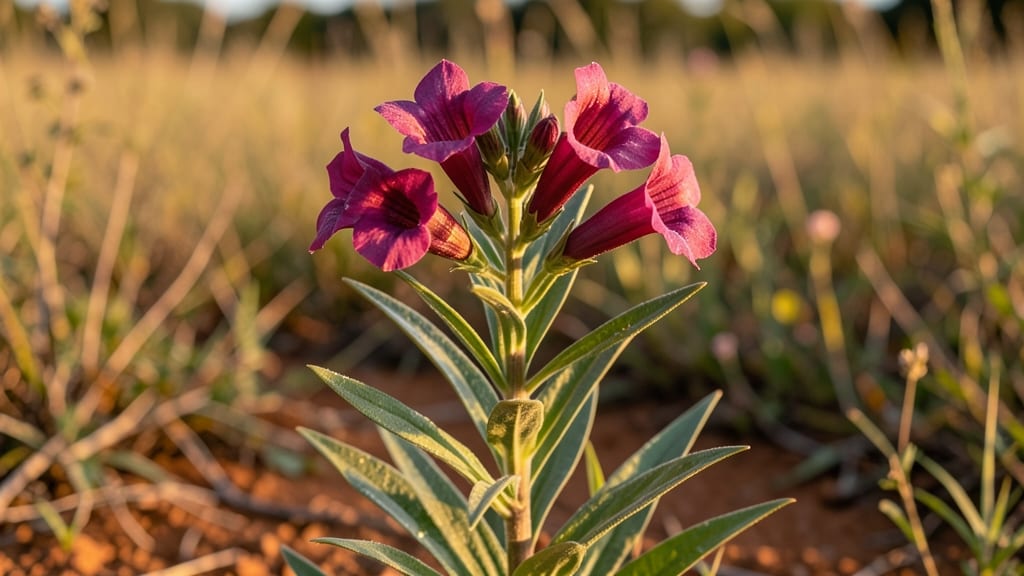
If you're dreaming of a garden that thrives with minimal watering while still attracting pollinators, evening snapdragon (Mirabilis nyctaginea) is your secret weapon. This drought-tolerant perennial unfurls its trumpet-shaped flowers in the late afternoon, offering a striking contrast to morning-blooming varieties.
Perfect for xeric landscapes or water-wise gardens, evening snapdragon thrives in full sun with well-draining soil and requires little maintenance once established. Its vibrant blooms in shades of pink, yellow, and white create a pollinator magnet, especially for hummingbirds and bees. Plant in clusters for maximum impact, and enjoy its year-round greenery in warmer climates.
This hardy perennial is ideal for gardeners in dry regions or those seeking low-maintenance beauty. Its unique blooming time adds a dynamic element to any garden design. 🌻
Oxeye Daisy (Leucanthemum vulgare)
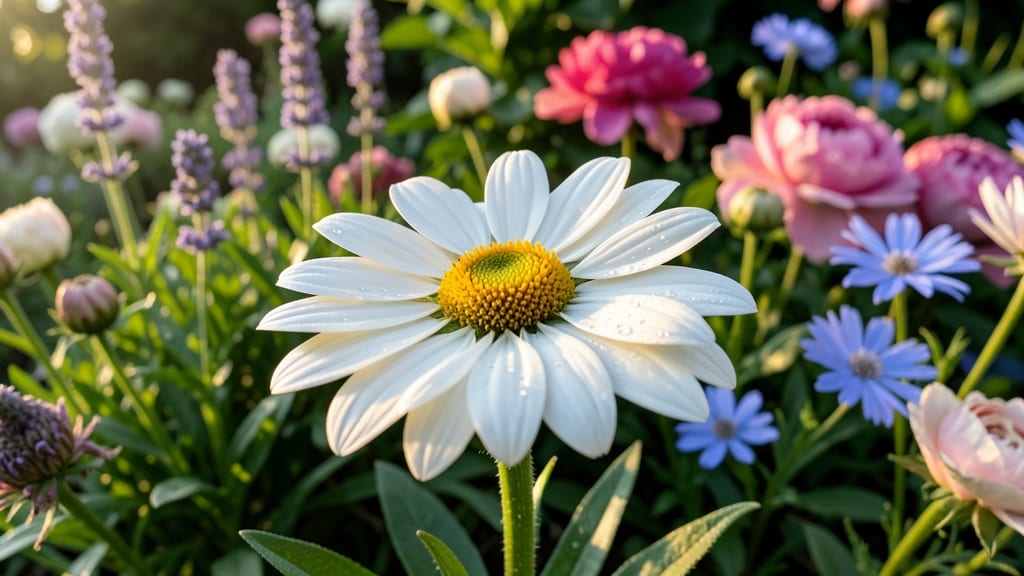
Turn your cottage garden into a dynamic canvas by pairing the oxeye daisy with other flowers that stay open all day. This cheerful perennial blooms wide open at dawn, only to close its delicate white petals by midday, creating a stunning visual rhythm that changes throughout the morning.
Oxeye daisies thrive in full sun to partial shade and prefer well-drained soil, making them ideal for borders or meadow-style plantings. Their yellow-centered blooms attract pollinators like bees and butterflies, while their hardy nature means they return year after year. For maximum contrast, plant them alongside always-open flowers like black-eyed Susans or coneflowers to highlight their timed closure.
Perfect for gardeners who love nostalgic charm and low-maintenance plants, oxeye daisies bring a whimsical touch to any landscape. Their predictable blooming schedule makes them a favorite for photographers and nature lovers alike. 🌻
Evening Stock (Matthiola longipetala)
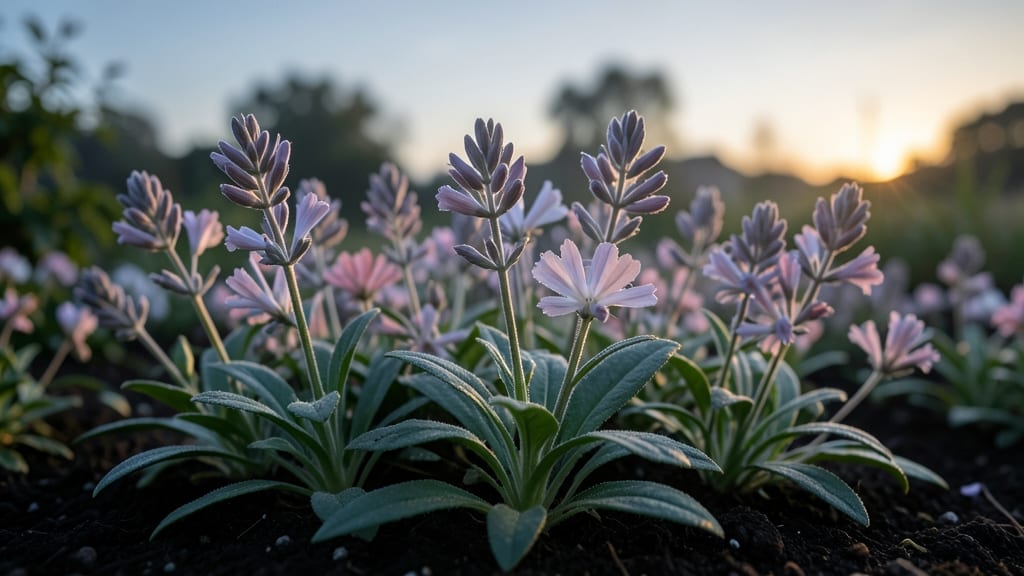
Transform your garden into a sensory sanctuary with evening stock (Matthiola longipetala), a night-blooming beauty that releases a spicy, clove-like fragrance as the sun sets. Unlike its daytime counterparts, this tender annual thrives when the sky darkens, making it ideal for moonlit strolls or romantic evening gatherings.
Plant evening stock in well-drained soil with full sun exposure during the day, as it needs warmth to trigger its nighttime blooming cycle. The flowers—typically shades of purple, white, or pink—open sequentially from the bottom up, creating a cascading effect that lasts for days. Deadhead spent blooms to encourage continuous flowering, and enjoy the scent that attracts moth pollinators after dusk. It’s perfect for containers or borders where you can appreciate its evening magic up close.
This fragrant gem is especially magical for gardeners who love sensory experiences or want to create a "moon garden" with minimal effort. Pair it with other night-blooming flowers like moonflower or evening primrose for a truly enchanting garden. ✨
Sunflower (Helianthus annuus)

Watch your garden come alive with sunflowers (Helianthus annuus), nature’s built-in solar panels that follow the sun’s arc before gracefully closing by late afternoon. These towering giants create a dramatic timed display when planted in clusters, turning your space into a living clock where color peaks at midday.
Sunflowers thrive in full sun (6+ hours daily) and well-drained soil, with varieties like ‘Moulin Rouge’ reaching 10+ feet tall for maximum impact. Their heliotropic behavior (flower tracking) makes them perfect for capturing movement in photography. For extended blooms, deadhead spent flowers regularly and provide 1-2 inches of water per week during dry spells.
Ideal for beginner gardeners or anyone wanting bold focal points, sunflowers also attract pollinators while adding vertical interest. Plant them in groups for a sun-tracking spectacle that’s as educational as it is beautiful. 🌻
Evening Beauty (Calonyction aculeatum)

If you crave a dramatic evening spectacle without the space for sprawling perennials, Evening Beauty (Calonyction aculeatum) delivers. This tropical vine unfurls foot-long white blooms with golden centers precisely at dusk, transforming any space into a moonlit garden. Unlike other night-bloomers, it thrives in containers or vertical trellises, making it perfect for balconies, patios, and small urban gardens.
Grow it in well-draining soil with full sun to partial shade—it tolerates heat and humidity beautifully, though it needs protection from frost. Water consistently to keep the soil slightly moist, and watch as moths and bats flock to its fragrant flowers after sunset. For best results, prune leggy vines in spring to encourage bushier growth and more blooms.
Urban gardeners and small-space enthusiasts will love how this vine doubles as a living room divider or vertical accent. Plant it near seating areas to enjoy its ethereal evening glow while entertaining. 🌻