
Flowers
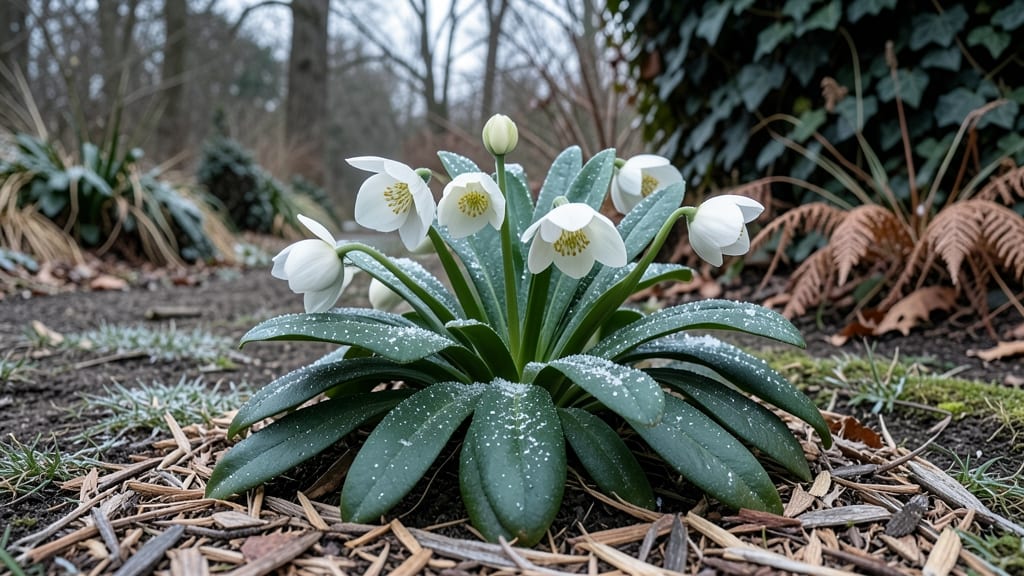
Winter-blooming flowers outside can transform your garden into a snowy paradise of color, even when temperatures drop.
Picture this: bright yellow Winter Jasmine 🌸 peeking through frost, or deep purple hellebores nodding under a blanket of snow. These aren’t just tough plants—they’re the unsung heroes of cold-season gardening, offering life when most flowers have given up.
But not all winter flowers are created equal. Some need full sun and well-draining soil, while others thrive in partial shade with a little extra mulch.
The key is matching the right variety to your USDA Zone—whether you’re in Zone 6a or further south—and knowing when to plant for maximum impact.
In this guide, I’ll walk you through the top 10 frost-resistant flowers, how to design a winter garden that wows, and the simple tricks to keep them blooming—no green thumb required.
Top 10 frost-resistant winter flowers for year-round color
When winter’s chill settles in, most gardens fade to brown—but not yours. These frost-resistant winter flowers thrive in freezing temperatures, offering vibrant color and life-giving beauty even when snow blankets the ground.
Whether you’re in USDA Zone 3 or Zone 7, these cold-hardy varieties refuse to surrender to winter’s icy grip. Let’s explore the top 10 frost-resistant flowers that will keep your garden alive with color year-round.
The secret to their success? These plants have evolved to handle freezing temperatures, snow cover, and even late-season frosts. Many are perennials, meaning they’ll return year after year, while others are annuals that bloom spectacularly in winter before summer arrives.
Below, we’ve curated a list of the most reliable winter bloomers, complete with USDA zone compatibility and bloom timing details to help you plan your frost-proof garden.
| Flower | USDA Zones | Bloom Time | Sun Needs | Cold Tolerance |
|---|---|---|---|---|
| Hellebore (Lenten Rose) | 3-9 | Late winter to early spring | Partial shade | Survives -20°F |
| Winter Jasmine (Jasminum nudiflorum) | 6-9 | Late winter to early spring | Full sun | Survives 10°F |
| Pansies (Viola × wittrockiana) | 4-10 | Fall to spring | Full sun to partial shade | Survives 20°F |
| Snowdrops (Galanthus) | 3-9 | Late winter | Partial shade | Survives -20°F |
| Winter Aconite (Eranthis hyemalis) | 4-8 | Late winter | Full sun to partial shade | Survives 10°F |
| Crocus (Crocus spp.) | 3-9 | Late winter to early spring | Full sun | Survives -20°F |
| Winter Honeysuckle (Lonicera fragrantissima) | 5-9 | Late winter | Full sun to partial shade | Survives 0°F |
| Daffodils (Narcissus) | 3-10 | Late winter to spring | Full sun | Survives -20°F |
| Violas (Viola cornuta) | 4-9 | Fall to spring | Partial shade |
How to create a stunning winter flower garden layoutA winter garden doesn't have to be a blank canvas. With the right plant layering and frost protection, you can create a vibrant winter landscape that thrives even when temperatures drop. The key lies in understanding sun exposure needs and soil insulation techniques that keep roots safe while allowing flowers to bloom. Start by selecting a mix of evergreen shrubs, woody perennials, and hardy annuals that provide year-round interest. These plants work together to create a textured, multi-seasonal display that remains visually appealing through winter's chill. The secret? Strategic placement based on height, light requirements, and wind exposure.
Layer plants by height: Tall shrubs (8-15ft) like winter jasmine at the back, medium perennials (3-5ft) in the middle, and low-growing annuals (6-12in) like pansies in front.
Prioritize sun exposure: Place sun-loving varieties (hellebores, winter jasmine) in south-facing spots where they get 6+ hours of winter sun. Shade-tolerant plants (like cyclamen) belong under trees or on north sides.
Protect soil with mulch: Apply 3-4 inches of organic mulch (straw, shredded leaves) around plants to insulate roots. Avoid piling mulch against stems to prevent rot.
Use windbreaks: Plant dense evergreens (like boxwood or arborvitae) as wind barriers to shield delicate blooms from drying winter winds.
Add winter interest: Incorporate textural elements like ornamental grasses, seed heads, and berry-producing shrubs (e.g., winterberry holly) for year-round appeal.
When designing your layout, remember that winter light conditions differ dramatically from summer. What seems like full sun in June might only receive 3-4 hours of direct light in December. Use this to your advantage by placing light-colored flowers (like white hellebores) in sunnier spots to maximize visibility during shorter days. For soil protection, focus on two critical strategies: mulching and drainage. Heavy clay soils can become waterlogged in winter, suffocating roots. Amend with compost or sand before planting, and always use raised beds or containers for delicate winter bloomers like crocuses or snowdrops. These containers can be moved to sheltered spots during extreme cold snaps. Don't forget to include water sources in your design. A small fountain or birdbath with a solar-powered heater can provide both beauty and a reliable water supply for wildlife during winter's dry spells. Even in cold weather, birds and pollinators need hydration, and your winter garden can serve as a vital oasis. With these techniques, your winter garden will not only survive the cold but thrive, offering color and texture when most gardens lie dormant. The key is planning ahead—selecting the right plants, protecting their roots, and creating a layered design that works with winter's unique challenges. Your efforts will be rewarded with a garden that stays stunning even when snowflakes fall. ✂️🌿🌸 |