
Blooming
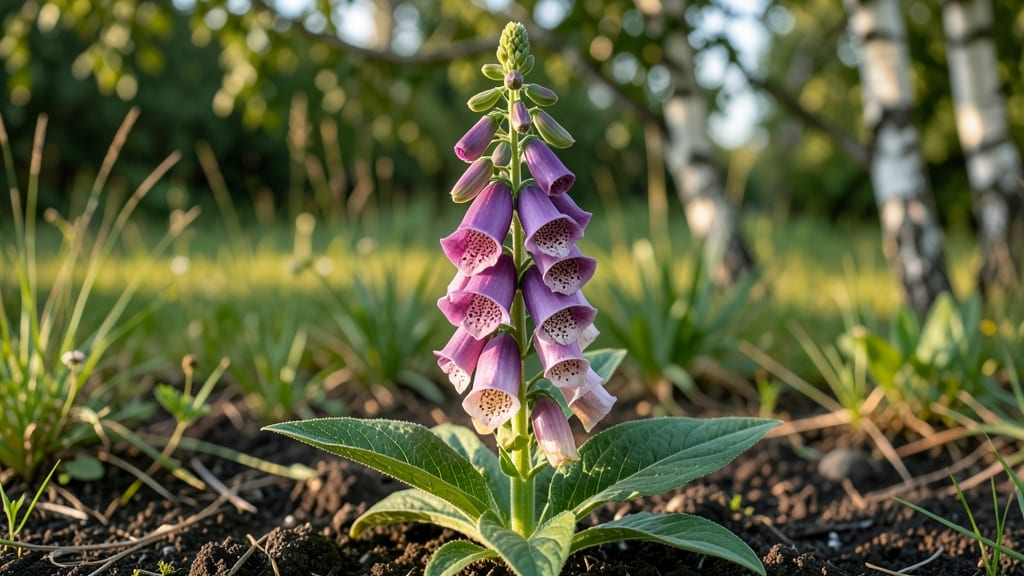
If you’ve ever wondered why your foxglove plants bloom sporadically—or why some years produce stunning spikes while others disappoint—understanding their heat-triggered bloom cycles and frost resilience is the key to unlocking consistent, show-stopping flowers.
In USDA Zone 6a, like much of the Midwest, foxgloves typically start blooming around mid-May if planted in early spring, with a second, smaller flush possible in late summer if conditions are right.
But timing shifts dramatically with climate—cooler regions may see blooms delayed until June, while warmer zones could enjoy earlier shows.
Here’s how to coax the most out of your foxgloves: from adjusting planting windows to protecting buds from late frosts, plus the simple care tweaks that turn a single bloom into weeks of color.
Foxglove bloom stages triggered by heat & light exposure
Foxglove plants (Digitalis) are fascinating because their bloom cycles are directly tied to temperature shifts and light exposure. Unlike many perennials, foxglove responds dramatically to heat triggers that accelerate or delay each of its three distinct bloom stages.
Understanding these stages helps you time planting, adjust care, and even coax earlier or longer blooms by manipulating growing conditions.
The first stage—bud formation—begins when soil temperatures rise above 50°F (10°C) and consistent daylight reaches 12-14 hours. This typically happens in late spring for most USDA zones, but cooler climates may see delays until early summer.
Light exposure during this phase is critical; too much direct sun can cause buds to overheat and abort, while insufficient light weakens stem development.
Here’s how each stage unfolds—and how you can influence the timing:
| Stage | Key Temperature Trigger | Light Requirements | Duration | Pro Tip |
|---|---|---|---|---|
| Bud Formation | 50–60°F (10–15°C) | Partial shade (4–6 hrs sun) | 4–6 weeks | Use reflective mulch to boost warmth without scorching buds. |
| Flowering Peak | 65–75°F (18–24°C) | Morning sun, afternoon shade | 3–5 weeks | Deadhead spent blooms to extend peak by 2–3 weeks. |
| Seed Set | 70–80°F (21–27°C) | Full shade (prevents seed scorch) | 6–8 weeks | Allow some seeds to mature for self-sowing; remove extras to avoid overcrowding. |
The flowering peak is the most visible stage, where foxglove’s iconic bell-shaped blooms emerge in waves. This phase thrives when daytime temperatures hover between 65–75°F (18–24°C), but even slight heatwaves above 85°F (29°C) can cause buds to drop prematurely.
To combat this, I’ve found that providing afternoon shade with sheer fabric or nearby trees preserves blooms longer. In my Zone 6 garden, this simple adjustment extended the peak by nearly 2 weeks last summer.
If you’re aiming for earlier blooms, start seeds indoors under grow lights 8–10 weeks before your last frost date. The key is to mimic the heat triggers naturally: keep seedlings at 60°F (15°C) nights and 70°F (21°C) days to encourage bud formation.
Once transplanted outdoors, mulch with straw or wood chips to retain soil warmth and speed up the transition to outdoor conditions.
For longer blooms, focus on consistent moisture and balanced fertilization. Foxglove is sensitive to nutrient spikes, so I use a 5-10-10 fertilizer sparingly—just once in early spring and again after the first flush of blooms.
Over-fertilizing leads to leafy growth at the expense of flowers, which is the last thing you want from these show-stopping plants.
Watch for heat stress signs like wilting leaves or yellowing buds, which often appear when temperatures exceed 80°F (27°C) for more than 3 days. At this point, I’ve had success using shade cloth (30–50% block) to protect plants without stunting their growth.
Pair this with daily watering at the base (not overhead) to keep roots cool and hydrated.
Finally, the seed set stage is where foxglove’s resilience shines. If you’re growing foxglove for self-seeding, allow some blooms to mature into seed pods. These pods thrive in warmer temperatures (70–80°F / 21–27°C) but require full shade to prevent seed scorch.
Collect seeds when pods turn brown and dry, then store them in a cool, dark place until next year’s planting.
By understanding these heat-sensitive stages, you can fine-tune your foxglove’s bloom time to match your garden’s season—or even coax a second flush in late summer by providing the right conditions after the first peak fades.
Experiment with microclimates, mulching, and shade strategies to see what works best in your zone!
How late frost affects foxglove blooms & recovery strategies
Foxglove (Digitalis) plants are stunning but surprisingly vulnerable to late frosts, especially when buds are already forming. A sudden 28°F (-2°C) drop can kill emerging blooms overnight, leaving you with bare stems.
The worst damage occurs when frost hits during the bud formation stage (late spring) or when plants are already flowering in late summer varieties.
Even if the main stems survive, frost stress weakens the plant, often leading to stunted growth or delayed blooms. Some gardeners report their foxgloves produce only 50% of expected flowers after a late frost, with many buds dropping before opening.
The good news? With the right strategies, you can protect your plants and even encourage a second flush of blooms later in the season.
Foxglove buds are most vulnerable 3-5 days before opening. Late frosts in April-May (spring bloomers) or September (fall varieties) can devastate your display. Even light frost (32°F/0°C) can cause bud blast, while hard frost (28°F/-2°C) kills stems outright.
🌱 Pro Tip: Monitor your local last frost date—plant spring foxgloves 4-6 weeks before this date to allow time for bud formation before frost risk peaks.
To protect your foxgloves, start with mulching—apply a 3-inch layer of straw or shredded leaves around the base in early spring. This insulates roots and maintains soil temperature. For existing plants, create microclimates by planting near south-facing walls or evergreens, which absorb and radiate heat.
Even a black plastic mulch can raise soil temps by 5-10°F.
Staggered planting is another smart tactic. Instead of planting all foxglove seeds at once, sow 1/3 in early spring, 1/3 in late spring, and 1/3 in early summer. This spreads out your bloom times, so if frost hits one batch, others remain unaffected.
For potted foxgloves, move them to a protected porch or cold frame when nighttime temps drop below 40°F (4°C).
If frost does damage your blooms, don’t despair—foxgloves often produce a second, smaller flush later in the season. After frost, prune back damaged stems to just above the first set of healthy leaves.
This redirects the plant’s energy into new growth. Increase watering frequency (deep soak every 5-7 days) and apply a balanced fertilizer (5-10-10) to encourage recovery.
For next year, consider cold-hardy varieties like Digitalis grandiflora, which tolerates colder temps better than Digitalis purpurea. Plant them in well-draining soil with afternoon shade to reduce stress. With these strategies, you’ll minimize frost damage and enjoy longer, more reliable blooms year after year.