
Blooming
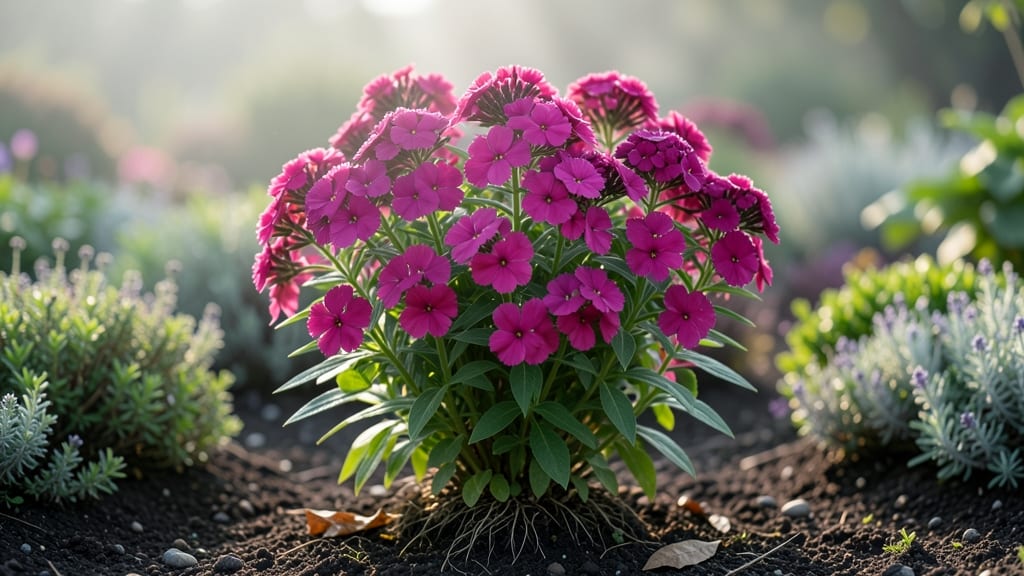
Garden phlox blooms transform your yard from late spring through early fall 🌸, but the exact timing depends on your variety and climate zone.
Wondering when your garden phlox will burst into vibrant blooms? Timing varies dramatically by variety and climate zone—getting it right means longer flower displays and healthier plants.
In USDA Zone 6a, most phlox varieties start flowering in late May and continue until frost, but early bloomers like 'David' can begin as soon as early May, while late varieties like 'Blue Paradise' may not peak until July.
Below, I break down the bloom periods by variety, how to adjust for your zone, and 5 proven tips to extend those show-stopping blooms for weeks longer.
Garden phlox bloom time by variety: early, mid, and late season flowering
Garden phlox is a garden staple that transforms summer landscapes with its fragrant clusters of blooms, but not all varieties bloom at the same time. Understanding early, mid, and late-season phlox helps you create a continuous floral display from June through September.
The key lies in selecting the right mix of cultivars—some burst into bloom in early summer, while others linger into fall.
For example, David phlox (Phlox paniculata) is a late-season powerhouse, often blooming from mid-July to September, while Starfire phlox (Phlox drummondii) kicks off the show in late spring to early June.
Mixing these varieties ensures your garden stays vibrant all season long. Let’s break down the bloom times by category so you can plan your garden like a pro.
🌸 Pro Tip: Most garden phlox varieties rebloom if deadheaded—removing spent flowers encourages a second flush of blooms, extending your display by 3-6 weeks. This is especially true for mid- to late-season varieties like Blue Paradise and Jeana.
If you’re planning a long-blooming phlox garden, start with early-season varieties like Starfire to kick off the show in late spring. These annual phlox varieties thrive in cool spring temperatures and set the stage for mid-season performers like Blue Paradise, which bloom from June to August.
For a fall finale, late-season varieties like David and Jeana shine in July through September, often lasting until the first frost.
The reblooming habit is another critical factor. Varieties like Blue Paradise and Nora Leigh are known for their prolific second flushes if you deadhead spent blooms regularly. This simple task removes the old flowers, redirecting the plant’s energy into new growth.
For non-reblooming varieties like Lipstick, focus on annual planting for a burst of color each season.
Color also plays a role in seasonal planning. Cool-toned phlox like Blue Paradise and Nora Leigh thrive in late summer heat, while warm hues like Starfire’s pinks and reds brighten early summer. Mixing these colors creates a dynamic, ever-changing garden that keeps visitors coming back all season.
💡 Light Matters: Most garden phlox varieties prefer full sun to partial shade, but late-season bloomers like David phlox can handle afternoon shade in hot climates. If you’re in a Zone 8 or higher, provide light afternoon shade to prevent wilting during peak heat.
For container gardening, choose dwarf varieties like Lipstick or compact perennials like Blue Paradise. These thrive in pots and can be moved to extend their bloom time by relocating them to cooler, shadier spots in late summer.
Just ensure they get at least 6 hours of sunlight daily for best results.
Finally, soil health impacts bloom time. Amend your soil with compost or organic matter before planting to ensure nutrient-rich growing conditions. Phlox prefers well-draining, slightly acidic soil (pH 6.0-7.0). If your soil is clay-heavy or alkaline, consider adding peat moss or sulfur to improve drainage and acidity.
With the right mix of early, mid, and
How USDA hardiness zones affect phlox bloom timing (and how to adjust)
Your USDA hardiness zone dramatically shifts when your garden phlox will bloom—sometimes by 3-6 weeks. Northern growers in zones 3-5 often see blooms starting in late May to June, while southern gardeners in zones 7-9 may enjoy flowers as early as April.
This variation matters because frost-sensitive phlox varieties can suffer if blooms appear too early.
Phlox thrives in cooler temperatures but struggles with late frosts. In zone 6 (like my garden), most varieties bloom from mid-June to July, while in zone 9, they might start as early as March and continue until fall.
Understanding these patterns helps you choose the right varieties and adjust care routines for your climate.
🌱 Zone-Specific Phlox Bloom Timing
- Zones 3-5: Blooms late May to June—watch for late frosts and protect young plants with row covers.
- Zones 6-7: Peak blooms June to July—ideal for mid-season color; deadhead spent blooms to encourage reblooming.
- Zones 8-9: Early blooms March to April and possible fall reblooms—prune lightly to avoid heat stress.
- Zones 10+: Year-round blooms possible—choose heat-tolerant varieties like Phlox paniculata and provide afternoon shade.
- Microclimates: Urban areas or south-facing slopes can push blooms 2-3 weeks earlier—adjust planting dates accordingly.
- Frost Strategies: In zones 3-6, mulch heavily in fall to protect roots; in zones 7-9, focus on watering consistency.
If you live in a transition zone (like zone 6b), pay attention to microclimates in your yard. A south-facing border might bloom 2 weeks earlier than a north-facing spot.
I’ve seen this firsthand—my Phlox 'David' on the sunny side bloomed in early June, while the same variety in partial shade waited until mid-June.
For northern gardeners, extend the bloom season by choosing late-season varieties like Phlox 'Lipstick' or 'Blue Paradise'. These thrive in cooler temps and often rebloom if you deadhead regularly. In southern climates, avoid heavy pruning—it can stress plants during summer heat and shorten bloom time.
One of my biggest lessons? Don’t rush to prune in early spring. Wait until after the first frost-free weekend in your zone to avoid cutting off potential blooms. In zone 5, that’s usually mid-May, while in zone 8, it’s more like March. Timing is everything!
Pro tip: Use seasonal markers like daffodils or lilacs to gauge when to expect phlox blooms. When lilacs fade, it’s time to prep your phlox for their main bloom phase—a foolproof way to stay on schedule every year. 🌷