
Blooming
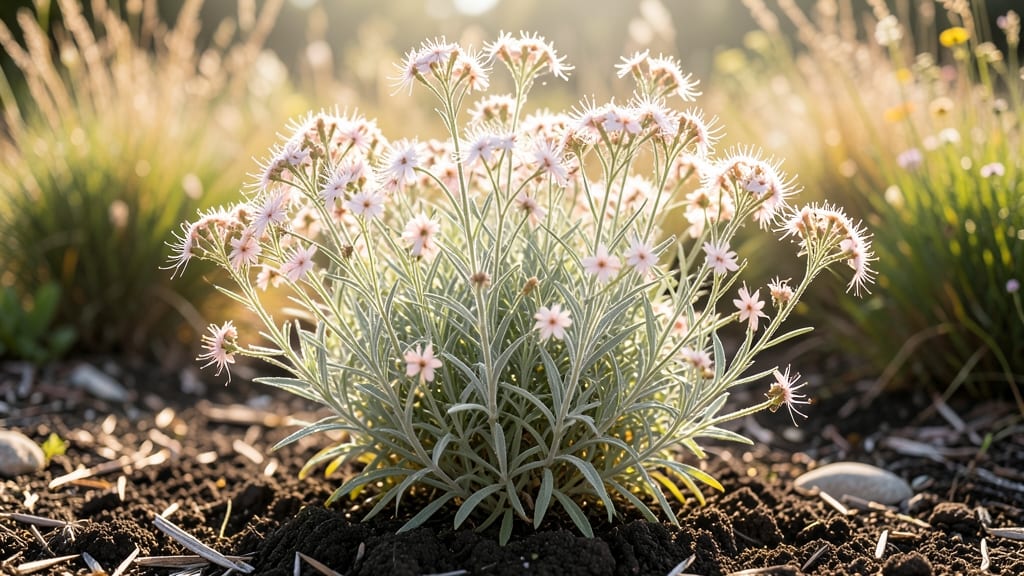
The gaura bloom time typically stretches from late spring through fall, with some varieties even flowering into winter in warmer climates 🌸 — a longer display than most gardeners expect.
Wondering why your gaura plants aren’t blooming when you expect them to? The secret lies in understanding their exact bloom windows—because some varieties flower for months while others take strategic breaks.
With the right timing, you can enjoy gaura’s delicate, butterfly-attracting blooms from spring through fall (and even winter in mild climates).
This flowering powerhouse thrives in full sun and well-drained soil, but even the hardiest gaura needs a little help to hit its peak bloom potential. Regional differences mean your local climate could shift those windows by weeks, and a few simple care tweaks can extend the show.
Below, I break down the bloom schedules by variety, how to maximize your gaura’s performance, and which cultivars deliver year-round color with minimal effort.
Gauras bloom time by variety: month-by-month flowering schedule
Gaura plants are famous for their long bloom seasons and delicate, airy flowers that dance in the breeze. But not all varieties follow the same schedule—some burst into bloom in early spring, while others shine in late summer.
Understanding these timelines helps you plan your garden for continuous color from spring through fall. Let’s break down the exact bloom windows for popular gaura varieties and how climate zones can shift these timelines.
Most gaura varieties thrive in USDA Zones 5-9, but their bloom periods can vary by 3-4 weeks depending on your location. For example, 'Whirling Butterflies' might start blooming in May in Zone 7 but wait until June in cooler Zone 5.
Meanwhile, 'Candy Showers' often begins flowering in late April in warmer climates, giving you an earlier show. Knowing these differences lets you mix varieties for staggered blooms and a garden that never goes bare.
| Variety | Primary Bloom Period | Rebloom Period | Climate Notes | Care Tip |
|---|---|---|---|---|
| 'Siskiyou Pink' | June - September | October (light) | Zones 5-9; late bloomer | Deadhead spent blooms |
| 'Whirling Butterflies' | May - October | November (mild zones) | Zones 6-10; long season | Prune lightly after first frost |
| 'Candy Showers' | April - July | September (rebloom) | Zones 5-8; early starter | Water deeply in drought |
| 'Passionate Pink' | June - October | None (annual-like) | Zones 7-10; heat-loving | Fertilize lightly in summer |
| 'Cherry Pops' | May - September | October (light) | Zones 5-9; compact habit | Mulch to retain moisture |
If you’re in a cooler climate (Zones 5-6), expect gaura blooms to start 2-3 weeks later than in warmer regions. For example, 'Candy Showers' might not begin until mid-May in Zone 5, while it could start in late April in Zone 7.
To push blooms earlier, plant in a south-facing spot with full sun exposure and use black plastic mulch to warm the soil faster in spring.
Some gaura varieties, like 'Whirling Butterflies', are rebloomers and can produce secondary flushes in fall if given the right care. To encourage this, deadhead faded blooms regularly and avoid over-fertilizing in late summer, which can stunt fall reblooming.
A light application of balanced fertilizer (10-10-10) in early summer is often enough to keep plants vigorous without overstimulating leafy growth at the expense of flowers.
For extended bloom time, focus on consistent watering—gaura is drought-tolerant once established, but deep watering once a week during dry spells keeps blooms abundant.
In hot climates (Zones 8-10), gaura may bloom year-round with minimal care, while cooler zones (5-6) might see a 6-8 week break in late summer before fall reblooming. Planting a mix of early, mid, and late-season varieties ensures your garden stays colorful from April through October.
One of my favorite tricks for prolonging gaura blooms is to prune lightly after the first frost in fall. Cut back 1/3 of the plant to remove damaged foliage and encourage new growth in spring. This also opens up the
How to maximize gaura bloom time: pruning and care secrets
If your gaura plants are putting on a short-lived bloom show, don’t blame the variety—it’s likely a care issue. The good news? With the right pruning techniques and seasonal adjustments, you can stretch those delicate white or pink blooms from early summer through fall.
The key is understanding when to encourage new growth and when to let the plant rest.
Gaura’s natural reblooming cycle makes it one of the easiest perennials to prolong, but over-fertilizing or skipping deadheading can cut bloom time in half.
I’ve learned through trial and error that timing is everything—whether you’re pinching back leggy stems in spring or giving them a light haircut after a heatwave. Let’s dive into the exact steps that’ll keep your gaura flowering like a pro.
⚠️ BIGGEST BLOOM KILLERS
These 3 mistakes shorten gaura bloom time faster than anything else:
- Over-fertilizing in summer → Lush foliage, no flowers
- Skipping deadheading → Energy wasted on seeds
- Underwatering during heatwaves → Stress-induced dormancy
First, let’s talk deadheading, the #1 trick for extending blooms. Gaura produces continuous flowers on its whirling stems, but once a bloom fades, the plant redirects energy to seed production.
Snip spent blooms just above a leaf node every 2-3 days during peak bloom (June-August). I use clean pruners and always sterilize them with rubbing alcohol to prevent disease spread.
For a second flush of blooms, give your gaura a light pruning in early July. Cut back 1/3 of the tallest stems to encourage bushier growth. This works best for varieties like 'Whirling Butterflies', which naturally rebloom.
Avoid heavy pruning after August—your plant needs time to harden off before winter. In USDA Zone 7+, I’ve seen gaura rebloom in fall if given consistent water and morning sun.
Watering plays a surprisingly big role in bloom duration. Gaura is drought-tolerant once established, but deep, infrequent watering (every 7-10 days) produces healthier stems with more blooms. I water at soil level (not overhead) to prevent powdery mildew, which can stunt flowering.
In containers, I check soil moisture daily—gaura roots despise soggy soil.
Finally, feed wisely. Gaura doesn’t need much—too much nitrogen leads to leafy monsters with few flowers. I use a balanced 10-10-10 fertilizer once in early spring and skip summer feeding.
For a second bloom push, I apply a low-phosphorus fertilizer (like 5-10-10) in late June. Always water before and after applying fertilizer to prevent root burn.
With these simple adjustments, your gaura will flower for months instead of weeks. The secret? Less is more—light pruning, strategic deadheading, and consistent (not excessive) care. Try it this season, and you’ll have butterflies dancing on your blooms until frost! 🌸