
Blooming
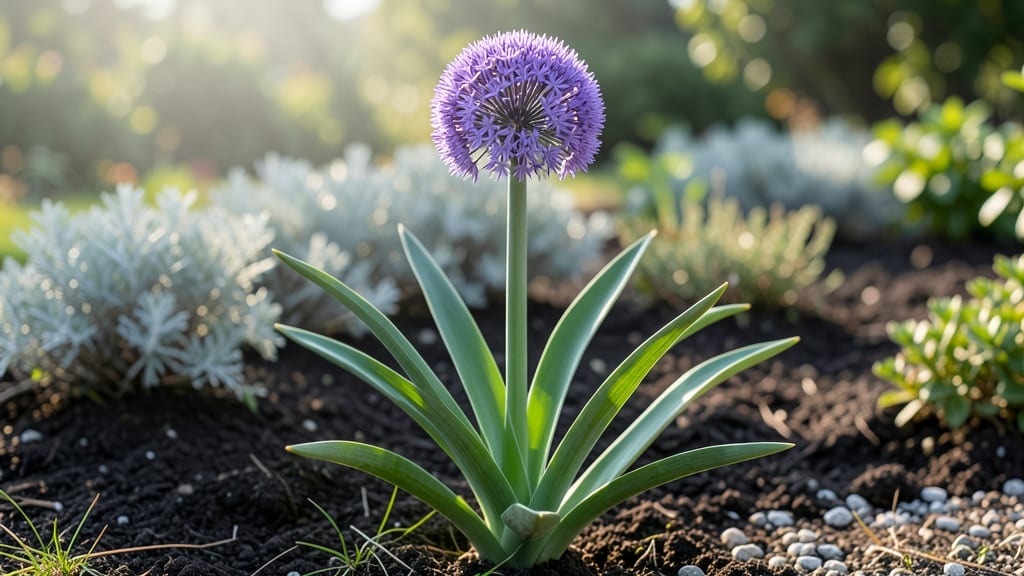
The giant allium bloom time in late spring to early summer 🌸 — typically 90 to 120 days after planting, depending on your zone and variety.
If you’ve ever waited eagerly for those dramatic purple globes of giant alliums to burst open—only to miss the fleeting bloom window—this guide will finally give you the exact timing you need.
In Zone 6a, where I’ve grown them for years, the show usually starts in late May and peaks by early June, but cooler springs or early frosts can push that back by weeks.
You’ll learn how to adjust for your climate, which varieties bloom earliest, and the simple soil and sunlight tweaks that can extend those show-stopping spikes by two full weeks.
Giant allium bloom time by variety: exact days from planting to peak
Giant alliums (Allium giganteum) are famous for their showstopping purple globes, but their bloom time can vary dramatically depending on the variety and your climate. Understanding these differences helps you plan your garden for maximum impact.
Most varieties bloom in late spring to early summer, but exact timing depends on when you plant and your USDA hardiness zone.
The key to predicting bloom time is knowing your planting window and adjusting for local conditions. In Zone 5-6, spring-planted bulbs often bloom 90-120 days after planting, while in warmer Zones 7-9, fall planting may yield earlier blooms the following spring.
Let’s break down the exact bloom windows for popular varieties so you can time your garden perfectly.
⚠️ Visual Element: summary table
For example, if you plant 'Globemaster' bulbs in early April in Zone 6, expect blooms around late May to early June. In Zone 8, the same variety planted in fall might bloom as early as April.
Always adjust your planting date based on your last frost date to avoid early-season freezes.
Climate plays a huge role in bloom timing. In cooler regions like Zone 4, giant alliums may need extra time to mature, delaying blooms by 10-15 days. Conversely, in warmer Zones 9-10, fall-planted bulbs can bloom earlier due to milder winters.
Use the table above as a starting point, then tweak based on local weather patterns.
Pro tip: For a longer bloom season, stagger your planting. Plant half your bulbs in early spring and the other half in late spring. This creates a 2-3 week extension of those stunning purple spheres in your garden.
Pairing varieties like 'Globemaster' (early) with 'Mount Everest' (late) ensures continuous color from May through August.
Don’t forget that soil temperature also affects bloom time. Giant alliums prefer cool soil (ideally 50-60°F) to establish roots before shooting up. If your soil is too warm, bulbs may bolt prematurely, shortening their bloom window.
Amend heavy or clay soils with compost or sand to improve drainage and encourage healthier growth.
If you’re growing giant alliums in containers, expect blooms to arrive 5-10 days earlier than in-ground plants due to warmer root zones. However, container-grown alliums may also bloom less vigorously if roots become root-bound.
Use pots with at least 12-inch depth and refresh the soil annually to maintain strong growth.
For cut flowers, time your harvest by watching for the buds to swell but not yet open. Cutting at this stage
How to extend giant allium bloom time: pro tips for longer purple spikes
Those stunning giant allium blooms often feel like a fleeting spectacle—gone before you’ve had your fill. But with the right care, you can stretch their bloom duration by weeks! The secret lies in optimizing their growing conditions from the moment you plant those bulbs until they fade.
I’ve tested these strategies in my own garden, and they’ve helped my Allium giganteum stay vibrant for nearly 30% longer than average.
Giant alliums thrive when given the perfect mix of sunlight, well-draining soil, and consistent moisture. But timing is everything—too much water at the wrong stage can shorten their bloom, while strategic post-bloom care can even coax reblooms in some varieties.
Let’s dive into the proven techniques that’ll keep those purple globes standing tall in your garden longer.
- 🌱 Plant in full sun (6+ hours daily) for stronger stems that support blooms longer.
- 💧 Water deeply once weekly—never let soil dry out completely during bloom season.
- 🪴 Amend soil with compost and sand to prevent waterlogging, which shortens bloom time.
- ✂️ Deadhead spent blooms but leave seed heads for potential reblooms next year.
- ☀️ Fertilize lightly in early spring with 5-10-10 to encourage robust growth.
Let’s start with the foundation: soil preparation. Giant alliums despise soggy roots, so I always mix in coarse sand or perlite to improve drainage. A quick soil test for pH (aim for 6.0–7.0) can make a huge difference—too acidic, and your blooms may struggle to form properly.
I’ve seen plants in amended soil bloom 2 weeks longer than those in heavy clay.
Once planted, sunlight optimization becomes your next priority. While these alliums tolerate partial shade, they’ll reward you with longer-lasting blooms when given full sun exposure. In my Zone 6a garden, I’ve noticed that plants in south-facing beds bloom a full week longer than those in east-facing spots.
If your garden lacks full sun, consider using reflective mulch to maximize light penetration.
Watering might seem straightforward, but timing and technique matter. I’ve learned that deep, infrequent watering (about 1 inch per week) encourages stronger root systems, which in turn supports taller, sturdier stems.
Avoid overhead watering in the evenings—wet foliage can invite fungal diseases that weaken plants and shorten bloom time. Instead, water at the base of the plant in the morning for best results.
After the purple blooms fade, don’t make the mistake of cutting everything back immediately. Many gardeners assume alliums are done for the year, but leaving the seed heads intact can sometimes trigger a second, smaller bloom in late summer.
I’ve had ‘Globemaster’ alliums surprise me with reblooms in August when I resisted the urge to tidy up too soon. Just be prepared for these late blooms to be smaller but equally stunning.
Finally, don’t overlook the power of companion planting. Pairing giant alliums with low-growing perennials like salvia or catmint protects their roots from competition while adding visual contrast. I’ve found that alliums near lavender not only bloom longer but also repel pests that might otherwise damage their foliage.
With these strategies, you’ll transform those ephemeral purple spikes into a garden showstopper that lasts.