
Flowers
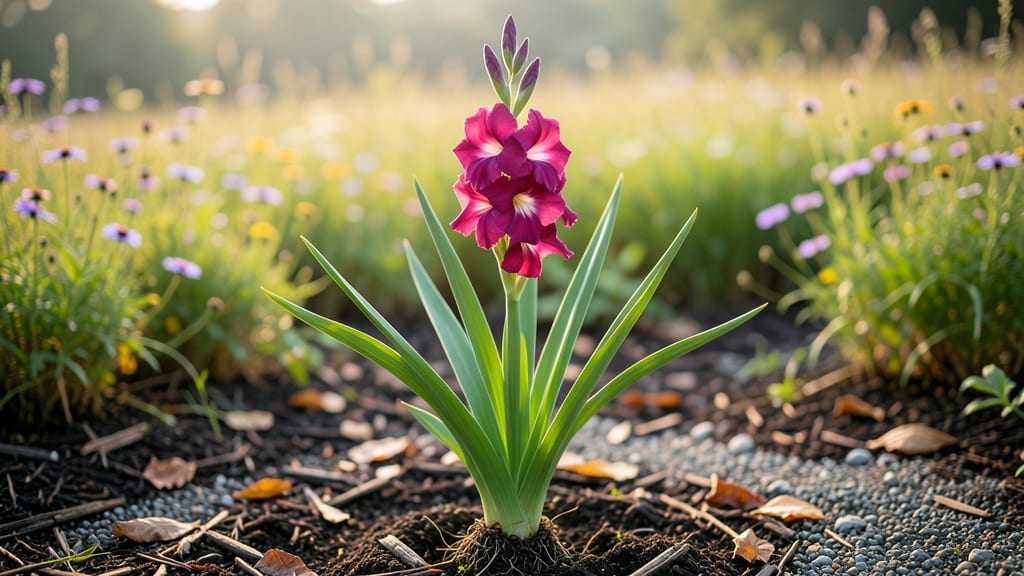
The gladiolus flower blooms between July and September in most regions, but timing shifts dramatically depending on your heat zone and planting strategy.
Want to time your gladiolus blooms perfectly for summer displays or fall arrangements? Understanding their bloom cycles—especially how heat zones influence timing—can mean the difference between a stunning garden and a missed opportunity.
In USDA Zone 6, where spring planting kicks off in mid-April, you’ll typically see first blooms around mid-July if you plant early. But in hotter zones like 9 or 10, those same corms might burst into color as early as June—or stretch into October with the right care.
Below, I’ll break down exactly how to predict your gladiolus bloom time, adjust for your climate, and even coax a second round of flowers with simple techniques.
Gladiolus bloom time by USDA heat zones: when to plant for peak flowering
Timing your gladiolus planting correctly ensures vibrant blooms when you need them most. These dramatic summer flowers thrive in warm weather, but their bloom schedule shifts dramatically across USDA heat zones.
In cooler zones like Zone 3-5, you'll plant earlier for late-summer blooms, while Zone 9-11 gardeners can extend flowering into fall with proper timing. Understanding these variations lets you create staggered blooms for continuous color.
The key to success lies in matching your planting window to your local climate. Gladiolus corms need 60°F+ soil temperatures to sprout consistently. In northern climates, this means waiting until late spring, while southern gardeners can plant as early as February.
Each USDA zone offers a unique opportunity to control bloom timing—whether you want summer displays or fall arrangements for holiday decor.
| USDA Zone | Planting Window | Bloom Period | Key Consideration |
|---|---|---|---|
| 3-4 | May 1 - June 15 | Late July - September | Short growing season; use heat-loving varieties |
| 5-6 | April 15 - May 15 | June - August | Ideal for summer displays; watch for early frosts |
| 7-8 | March 15 - April 30 | May - September | Long bloom season; can stagger plantings |
| 9-10 | February 1 - March 15 | April - October | Extreme heat may shorten blooms; provide afternoon shade |
| 11 | January 1 - February 15 | March - November | Year-round potential; use shade cloth in peak summer |
In Zone 3-4, where summers are short, focus on early-maturing varieties like 'Green Star' or 'Picasso' that bloom in just 90-100 days. Plant corms 4-6 inches deep after your last frost date, typically around May 1.
The trade-off is a shorter bloom window, but you'll still enjoy vibrant colors from late July through September. For repeat blooms, try staggered plantings every 2-3 weeks.
Gardeners in Zone 5-6 have the advantage of a perfect balance between growing season length and temperature. This is where gladiolus truly shine, offering 6-8 weeks of continuous blooms from June through August.
Plant your first batch around April 15 for early summer color, then add successive plantings every 2 weeks to extend the season. Varieties like 'White Friendship' and 'Black Star' perform exceptionally well in these zones.
For those in Zone 7-8, the possibilities expand dramatically. With warm springs and long summers, you can achieve three distinct bloom periods by planting in March, April, and May. The first planting yields blooms in May, the second in June-July, and the final planting extends color into September.
Choose heat-tolerant varieties like 'African Queen' or 'Navajo' that handle the 90°F+ temperatures common in these zones without bolting prematurely.
Southern gardeners in Zone 9-10 face different challenges—intense summer heat can cause gladiolus to bolt or produce smaller blooms. To combat this, plant your first batch in February for spring blooms, then follow with shade cloth during peak summer months.
Varieties like 'Pink Parfait' and 'Telemon' handle heat better than others. You can also plant a final batch in September for fall blooms that last until frost.
In Zone 11, where frost is rare, gladiolus can bloom nearly year-round with proper care. Start your first planting in January for early spring color, then continue with monthly plantings through October. The key is providing afternoon shade during the hottest months (June-August) and maintaining consistent moisture.
Varieties like 'Tangerine' and 'Red Beauty' thrive in these conditions and produce larger, more abundant blooms than in cooler climates.
To maximize your gladiolus bloom time, consider these pro tips: First, always plant corms 4-6 inches deep in well-draining soil enriched with compost. Second, use staggered plantings every 2-3 weeks to create a continuous display.
Finally, cut back spent flower spikes to encourage reblooming in suitable climates. With these techniques, you can enjoy gladiolus blooms from early summer through fall in most
How to extend gladiolus bloom time: proven techniques for longer flowering seasons
Gladiolus flowers are showstoppers in any garden, but their bloom time can feel disappointingly short. The good news? With the right techniques, you can stretch their flowering season by 3-4 weeks or even encourage a second bloom cycle.
The key lies in understanding their growth habits and giving them the perfect conditions to thrive.
Most gladiolus varieties produce a single, dramatic spike of blooms that lasts about 2-3 weeks per stem. However, by implementing a few strategic approaches, you can transform these into a prolonged display. The secret starts with staggered planting and continues through careful soil management, precise watering, and smart post-bloom care.
- 1 Staggered Planting: Plant 3 batches of corms every 2 weeks (e.g., May 1, May 15, June 1). This ensures continuous blooms as earlier plants fade and later ones open.
- 2 Soil Enrichment: Amend soil with compost and a balanced fertilizer (10-10-10) at planting. Add bone meal (3-4-0) when buds form to boost phosphorus for blooming.
- 3 Deep Watering: Water deeply 2-3 times per week (1 inch total) at soil level, avoiding foliage. Morning watering prevents fungal diseases like botrytis that shorten bloom time.
- 4 Deadheading: Remove spent blooms daily to redirect energy to lower buds. Cut stems 1/3 down when 2/3 of blooms open to encourage reblooming in warm climates.
- 5 Post-Bloom Care: After flowering, leave foliage until yellow (6-8 weeks) to recharge corms for next year. In USDA Zones 8-11, dig and store corms indoors to restart blooming the following spring.
One of the most effective ways to extend bloom time is to create a successive planting schedule. By planting gladiolus corms in 3 separate batches spaced 2 weeks apart, you’ll enjoy a continuous display.
For example, plant your first batch in early May, the second in mid-May, and the third in early June. This ensures that as the earliest blooms fade, new ones are just beginning to open.
Don’t overlook the power of soil preparation. Gladiolus thrive in well-draining soil with a pH between 6.0-6.8. Before planting, mix in 2-3 inches of compost and a slow-release fertilizer to provide steady nutrients.
During the growing season, side-dress with a low-nitrogen fertilizer (like 5-10-10) every 4-6 weeks to promote blooming over leafy growth.
Consistent watering is another game-changer. Gladiolus need 1 inch of water per week, delivered deeply at the soil level rather than overhead. Water in the early morning to allow foliage to dry quickly, reducing the risk of fungal diseases that can weaken plants and shorten bloom time.
Mulch around the base with straw or shredded leaves to retain moisture and regulate soil temperature.
After the main bloom cycle, resist the urge to cut back stems immediately. Instead, leave foliage until it yellows (about 6-8 weeks post-bloom). This allows the plant to photosynthesize and store energy in the corms for next year’s blooms.
In warmer climates (USDA Zones 8-11), you can even encourage a second bloom by cutting stems back by half after the first flush and providing consistent care.
With these techniques, you’ll transform your gladiolus from a fleeting summer highlight into a long-lasting garden star. The key is consistency—staggered planting, proper soil, and attentive care will reward you with weeks of vibrant blooms instead of just a few days. 🌸