
Blooming
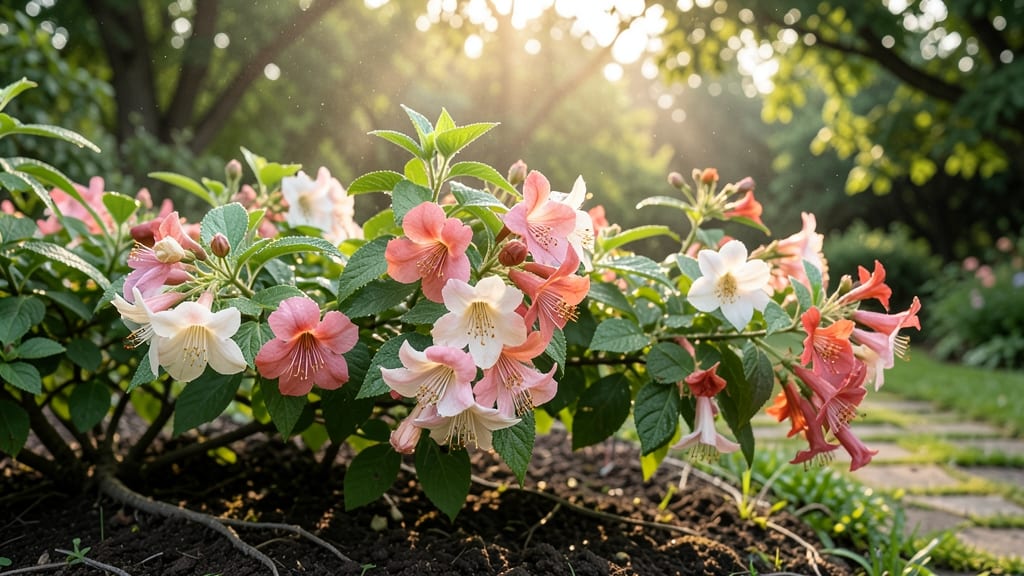
Honeysuckle blooms in spring and summer 🌸, but the exact timing depends on your variety and climate zone—getting it right means the difference between a fragrant garden showstopper and a quiet vine.
Picture this: You’ve patiently waited all winter, only to glance out your window in June and realize your honeysuckle is still holding onto its buds. That’s not just bad luck—it’s often a mismatch between your plant’s needs and your local growing conditions.
The good news? With a few simple adjustments, you can coax those sweet, tubular flowers to appear right on schedule.
Most honeysuckle varieties—like the classic trumpet vine or the delicate coral honeysuckle—thrive in USDA Zone 6a, where blooms typically kick off in late spring after the last frost.
But in warmer zones, the first flowers might arrive as early as April, while cooler climates could push them back until June. Knowing your zone and variety is the first step to timing everything perfectly.
In this guide, I’ll break down the bloom windows for common types, share pruning secrets to extend your flowering season, and reveal the sunlight and soil tricks that keep your honeysuckle in full, fragrant bloom from June through September.
No guesswork—just a garden that smells like summer all season long.
Honeysuckle bloom time by USDA climate zones: first flowers & reblooming schedule
Timing your honeysuckle's blooms isn't just about patience—it's about understanding your USDA climate zone and the specific variety you're growing. Lonicera sempervirens, the trumpet honeysuckle, thrives in zones 4-9, while Lonicera periclymenum (European honeysuckle) prefers zones 4-7.
These differences mean your first flowers could appear anywhere from late spring to early summer, depending on where you live.
For gardeners in warmer zones (8-10), expect the first flush of blooms as early as March or April, while those in cooler zones (4-6) may not see flowers until May or June.
The key to repeat blooming lies in understanding how your local climate affects your plant's growth cycle and dormancy period.
In USDA zone 4, where winters are harsh, honeysuckles like Lonicera sempervirens often wait until late May or early June to produce their first flowers. This delayed bloom gives the plant time to recover from dormancy and build energy reserves before investing in flowers.
The reblooming period typically occurs in mid-July to August, providing a second chance for fragrant displays.
Gardeners in zone 6 enjoy an earlier show, with Lonicera periclymenum often blooming in early May. This variety is known for its intense fragrance and prolonged flowering, making it a favorite for cottage gardens.
The reblooming window here extends from June through late July, with proper care and deadheading to encourage more flowers.
For those in zones 8-10, honeysuckles like Lonicera japonica can bloom as early as March, taking full advantage of the longer growing season. These varieties often produce continuous blooms from May through September, provided they receive adequate sunlight and water.
In these warmer zones, winter dormancy is minimal, allowing for extended flowering periods.
One of the most exciting varieties for zone 10 gardeners is Lonicera sempervirens 'Mandeville', which can bloom as early as February. This variety is prized for its early and abundant blooms, as well as its drought tolerance.
With the right care, it can produce flowers throughout the year, though the heaviest blooming occurs from April to October.
To maximize your honeysuckle's blooming potential, pay attention to local frost dates and soil temperatures. In cooler zones, wait until after the last frost to prune, as early pruning can remove next year's flower buds.
In warmer zones, light pruning after each bloom cycle can encourage more frequent flowering.
Remember, sunlight exposure plays a crucial role in bloom timing. While honeysuckles tolerate partial shade, they produce the most abundant flowers when given at least 4-6 hours of direct sunlight daily. If your plant isn't blooming as expected, consider
How to extend honeysuckle bloom time: pruning & care tips for longer flowers
If your honeysuckle (Lonicera species) is putting out flowers but fading too quickly, don't worry—you can extend bloom time with the right care. The key lies in pruning strategies, soil health, and seasonal adjustments that encourage repeat flowering.
Unlike some plants that bloom once and fade, honeysuckle can reward you with multiple flushes if you time your interventions correctly.
Most honeysuckle varieties naturally produce spring blooms, but with proper deadheading and winter pruning, you can coax summer reblooming. The secret? Understanding when to trim old growth versus when to encourage new shoots.
Let's break down the step-by-step care that will keep your vines in continuous bloom from early summer through fall.
🌸 5 Proven Ways to Extend Honeysuckle Bloom Time
- 🌿 Deadhead regularly – Remove faded flowers immediately to redirect energy to new blooms.
- ✂️ Prune in late winter – Cut back 1/3 of old wood before new growth starts.
- 💧 Water deeply weekly – 1 inch per week keeps roots hydrated for continuous blooming.
- 🌱 Fertilize in spring – Use balanced 10-10-10 fertilizer when buds form.
- ☀️ Ensure 4-6 sun hours – Morning sun prevents stress that shortens bloom time.
Start with deadheading, the simplest way to extend blooms. As soon as honeysuckle flowers fade, pinch off the spent blooms with your fingers or clean pruners. This stimulates new flower buds by preventing the plant from setting seed.
I like to do this every 2-3 days during peak bloom—it only takes a minute but makes a huge difference in how long your vines stay covered in flowers.
For winter pruning, wait until late February or early March (after the last frost in your zone). Cut back one-third of the oldest canes to encourage vigorous new growth that will produce more flowers.
Avoid heavy pruning in fall or early spring, as this can reduce next year's blooms. Think of it like giving your honeysuckle a haircut—just enough to shape it, not enough to shock it.
Don't underestimate the power of soil and fertilizer. Honeysuckle thrives in well-draining, slightly acidic soil (pH 6.0-7.0). Before planting, mix in compost or aged manure to provide nutrients. Then, in early spring, apply a balanced fertilizer (like 10-10-10) to boost flower production.
I've found that organic options, such as fish emulsion, work just as well and avoid chemical buildup in the soil.
Finally, watering habits play a crucial role. Honeysuckle needs consistent moisture but hates soggy roots. Water deeply once a week (or more in hot, dry spells) to encourage deep root growth.
Always water at the base of the plant in the morning to prevent fungal diseases that can stress the plant and shorten bloom time. A 2-3 inch layer of mulch around the base helps retain moisture and keeps roots cool.
With these simple adjustments, your honeysuckle can bloom for months instead of just a few weeks. The key is consistency—regular deadheading, seasonal pruning, and proper feeding will transform your vines into a fragrant, long-lasting garden star. 🌿