
How To
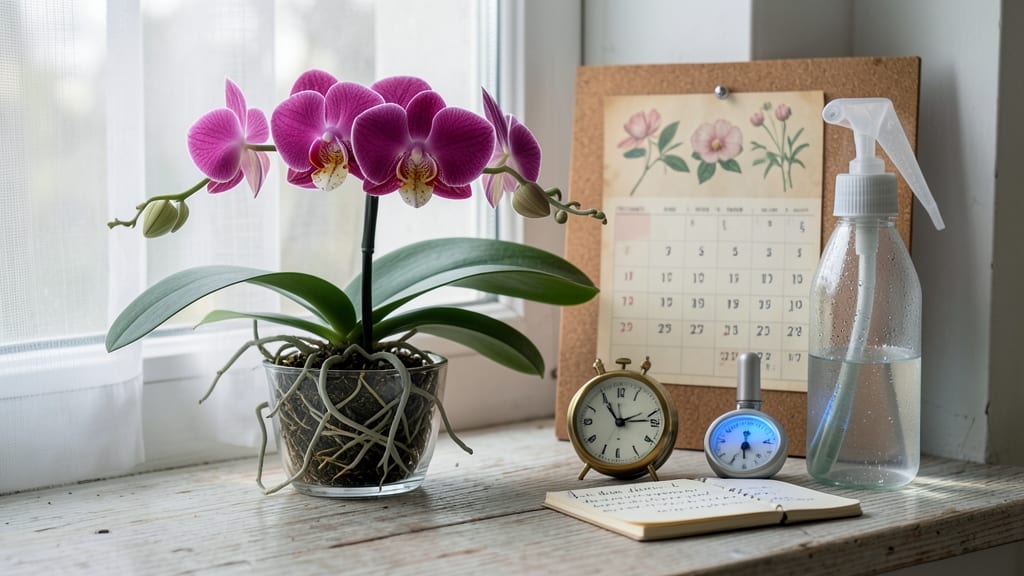
Orchids bloom indoors for anywhere from 2 to 12 weeks, depending on the type and how you care for them—especially light. That’s a huge range, and getting it right means the difference between a short-lived show and weeks of stunning color.
Ever watch your orchid’s 🌸 blooms fade in just a few weeks, leaving you wondering if you’re doing something wrong? The truth is, most orchids—like the classic Phalaenopsis—last 6 to 8 weeks under average indoor lighting.
But with the right tweaks, you can push that to 10+ weeks or even coax a second bloom cycle.
Light is the game-changer here. Too little, and your orchid’s flowers wilt early. Too much, and they scorch before their time. Humidity and fertilizer play a role too, but if you nail the light, you’re already halfway to extending those blooms longer than you thought possible.
In this guide, I’ll break down the exact bloom times for the most common orchid types, how to adjust light for longer flowers, and 5 pro tips to keep your orchid blooming like a showstopper—year after year.
Orchid bloom duration by type: exact weeks for Phalaenopsis, Cattleya, and more
If you’ve ever wondered why your Phalaenopsis orchid blooms fade in just 2-3 months while your neighbor’s Cattleya lasts 6-8 weeks longer, the answer lies in their natural bloom cycles. Indoor lighting, humidity, and care routines dramatically alter these timelines.
Here’s the exact breakdown of orchid bloom durations for the most popular indoor varieties, so you can set realistic expectations and extend their showtime.
Most orchid lovers focus on Phalaenopsis (moth orchids) because they’re the easiest to grow indoors. But did you know Dendrobium varieties can bloom for up to 3 months with the right conditions?
Meanwhile, Oncidium (dancing lady orchids) often produce multiple blooms over 8-12 weeks, creating a cascading effect. Understanding these differences helps you choose the right orchid for your home and care routine.
Below is a side-by-side comparison of average bloom durations and peak performance under standard indoor lighting (10-14 hours of bright, indirect light). I’ve also included lighting adjustments that can extend blooms by 2-4 weeks for each type.
Pro tip: Humidity levels above 50% can add another 1-2 weeks to any orchid’s bloom time.
Notice how Dendrobium and Paphiopedilum have the longest natural bloom cycles? That’s because they evolved in cooler, shaded forests where light is a limiting factor. In contrast, Cattleyas thrive in warmer, brighter conditions but bloom more intensely with short-day treatment (10 hours of light for 6-8 weeks before flowering).
For <
How light affects orchid bloom length: the critical balance for longer flowers
Orchids are finicky about light—too little and your blooms wilt early, too much and they burn. The critical balance between bright indirect light and avoiding direct sun directly controls how long your orchid stays in bloom.
For example, a Phalaenopsis orchid (the most common indoor type) typically blooms for 2-3 months, but with perfect light, you can stretch that to 3-4 months or even longer.
Light isn’t just about quantity—it’s about quality. Orchids need 10-14 hours of bright, filtered light daily, but no harsh midday rays. Think of it like a goldilocks zone: not too dim (or buds drop), not too bright (or leaves scorch).
The wrong light conditions can cut bloom time in half, leaving you wondering why your orchid’s beauty fades so fast.
If your orchid’s blooms last only 4-6 weeks instead of the expected 8-12 weeks, check your light setup. A south-facing window without a sheer curtain can deliver too much direct UV, causing bleached or crispy leaf edges.
Move your orchid 2-3 feet back from the window or use a light sheer to diffuse the rays. For north-facing windows, supplement with a grow light for 4-6 hours daily to prevent stunted growth and early bud drop.
Seasonal light shifts also play a role. During winter’s shorter days, orchids often bloom 10-20% shorter due to reduced light exposure. Combat this by placing your orchid near a bright room (like a bathroom with a skylight) or using a LED grow bulb on a timer.
Even 1-2 extra hours of light can extend blooms by 2-3 weeks. Pro tip: Rotate your orchid quarter-turn weekly to ensure even light exposure on all sides.
Watch for these light-related red flags: Yellowing leaves signal too much light, while dark green, leggy growth means not enough light. Premature bud drop is often a cry for better light—buds need consistent 12+ hours of light to mature fully.
If you notice buds falling before opening, adjust your orchid’s spot immediately. A grow light on a timer (like a full-spectrum LED) can mimic natural daylight cycles and keep blooms vibrant for weeks longer.
For Cattleya orchids (another popular indoor type), the light needs are slightly higher—14-16 hours of bright light can extend their 6-8 week blooms to 8-10 weeks.
Place them near a west-facing window in late afternoon or use a reflective surface (like a white wall) to bounce extra light onto the plant. Avoid fluorescent office lighting alone—it lacks the blue and red spectrums orchids need for optimal blooming.
Remember: Light quality matters more than intensity. A shady corner with cool, soft light is better than a sunny windowsill with harsh rays. With the right balance, you’ll turn your orchid’s 2-month bloom into a 4-month spectacle.
Start by testing your current light setup—if your orchid’s leaves are dark green and sparse, it’s time to upgrade to brighter, indirect light. Your blooms will thank you! 🌸