
Flowers
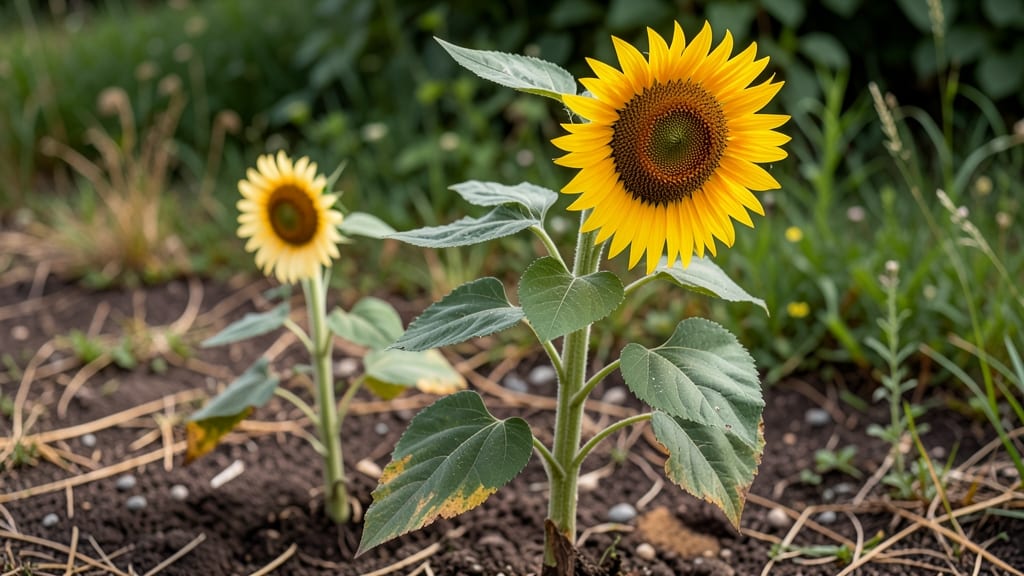
Sunflowers bloom for 1 to 3 weeks on average, but the right variety and care can stretch that golden glory into a full month or more 🌻 — and yes, some even rebloom if you play your cards right.
Picture this: a single Mammoth sunflower standing tall in your garden, its petals radiating joy for weeks, only to wilt and leave you wondering, Could I have done more? The truth is, most sunflowers are one-and-done bloomers, but their duration depends on more than just luck.
From dwarf varieties that last barely a week to perennial types like Jerusalem artichokes that return year after year, the secret lies in choosing the right type for your zone and giving it the perfect mix of sun, water, and a little pruning magic.
Below, I’ll break down exactly which sunflowers stay vibrant the longest, how to coax extra days from their bloom, and the three biggest mistakes that cut their lifespan short — so you can enjoy those cheerful faces in your garden for as long as possible.
Sunflower bloom duration by variety: which lasts the longest?
If you’ve ever watched a sunflower bloom and wilt in just a few days, you’re not alone. Most annual varieties like 'Mammoth' or 'Autumn Beauty' follow this pattern, but some sunflower types defy expectations with extended displays.
The secret lies in choosing the right variety and understanding their unique traits. Perennial sunflowers, like Jerusalem artichokes, can bloom for months, while certain annual hybrids stay vibrant for weeks longer than their counterparts.
Bloom duration varies wildly—from 5-7 days for standard annuals to 4-6 weeks for long-lasting varieties. Factors like genetics, climate, and care practices play critical roles.
For example, heirloom sunflowers often outperform hybrids in longevity, while dwarf varieties like 'Teddy Bear' may bloom shorter but produce multiple flowers per stem. Let’s break down the best options for season-long sunflower blooms.
Comparison of bloom durations reveals surprising winners. Giant varieties like 'Russian Giant' typically bloom for 7-10 days, but their massive flower heads make them stand out. In contrast, perennial sunflowers like Helianthus tuberosus (Jerusalem artichoke) can produce blooms from mid-summer to frost, with individual flowers lasting 10-14 days. The key is matching your garden goals—whether you want dramatic height or prolonged color.
| Variety | Type | Bloom Duration | Height | Notes |
|---|---|---|---|---|
| 'Mammoth' (e.g., 'Russian Giant') | Annual (Standard) | 7-10 days | 10-16 ft | Single bloom; dramatic but short-lived |
| 'Autumn Beauty' | Annual (Heirloom) | 10-14 days | 5-6 ft | Multi-colored petals; longer than average |
| 'Teddy Bear' (e.g., 'Banana') | Annual (Dwarf) | 5-7 days per flower, but multiple blooms | 1-3 ft | Compact; produces 20+ flowers per stem |
| Helianthus tuberosus (Jerusalem Artichoke) | Perennial | 10-14 days per flower, season-long blooming | 5-8 ft | Invasive roots; blooms until frost |
| 'ProCut' Series (e.g., 'ProCut Orange') | Annual (Hybrid) | 12-16 days | 3-5 ft | Designed for cut flowers; longer vase life |
Hybrid sunflowers, like the 'ProCut' series, are bred for extended vase life and often last 12-16 days when cut. This makes them ideal for cutting gardens or bouquets. Meanwhile, heirloom varieties like 'Autumn Beauty' not only bloom longer but also attract pollinators for weeks.
If you’re growing sunflowers for wildlife, prioritize heirlooms or perennials—they support ecosystems far better than short-lived hybrids.
Climate plays a huge role in bloom duration. In hot, dry regions, sunflowers may bloom faster but wilt sooner due to stress. Conversely, in cooler climates like USDA Zone 5, blooms can last 2-3 weeks longer.
For example, 'Russian Giant' in Pacific Northwest gardens often extends its bloom by 5-7 days compared to Southern gardens. To maximize longevity, plant in well-draining soil and avoid overwatering, which can shorten bloom time.
Did you know deadheading can trick sunflowers into
How to extend sunflower blooms: pro tips for gardeners
Most sunflowers bloom for just 2-4 weeks, but with the right care, you can stretch that glory to 6-8 weeks or longer. The secret lies in understanding their needs—from nutrient timing to strategic pruning. Let’s unlock the tricks to keep your sunflowers shining brighter and longer.
First, choose the right variety for your goals. Annual sunflowers like 'Autumn Beauty' produce multiple blooms per stem, while perennials like Helianthus tuberosus (Jerusalem artichoke) rebloom yearly. For maximum longevity, prioritize dwarf varieties like 'Teddy Bear,' which mature faster and often bloom earlier in the season.
🌻 Sunflower Bloom Duration by Type
| Type | Bloom Duration | Key Tip |
|---|---|---|
| Annual (Standard) | 2-4 weeks | Deadhead spent blooms |
| Annual (Dwarf) | 3-6 weeks | Water deeply 2x/week |
| Perennial (e.g., Jerusalem Artichoke) | 6-8 weeks | Prune back in early spring |
💡 Pro Tip: Use a 5-10-10 fertilizer in early summer to boost phosphorus for longer blooms.
Deadheading is your first line of defense. Snip off wilted blooms just above the next set of buds to redirect energy to new flowers. For annuals, this can trigger secondary blooms within 2-3 weeks.
Use clean, sharp pruning shears to avoid damaging the stem, and always remove only fully spent blooms.
Soil nutrition plays a critical role. Sunflowers thrive with phosphorus-rich soil (the "P" in NPK), which promotes root and flower development. Test your soil in early spring—aim for a pH of 6.0-7.0.
Add a bone meal fertilizer (3-4-0) at planting time, then switch to a balanced 10-10-10 when buds form to sustain blooms.
Watering schedules often make or break bloom longevity. Deep water once every 3-5 days during dry spells, focusing on the root zone. Avoid overhead watering, which can spread fungal diseases like powdery mildew.
In hot climates, mulch with straw to retain moisture and cool roots—this can extend blooms by 10-15 days.
Seasonal pruning is another game-changer. For annuals, trim back overgrown foliage in mid-summer to improve airflow and reduce stress. Perennials benefit from a hard prune in early spring, cutting back dead stems to encourage new growth. Always sterilize your tools with rubbing alcohol to prevent disease spread.
Finally, protect your sunflowers from pests and diseases. Sunflower moths and beetles can defoliate plants quickly. Spray affected areas with neem oil or introduce ladybugs for natural control. Rotate crops yearly to prevent soil-borne diseases like Sclerotinia, which can cut blooms short.