Blooming
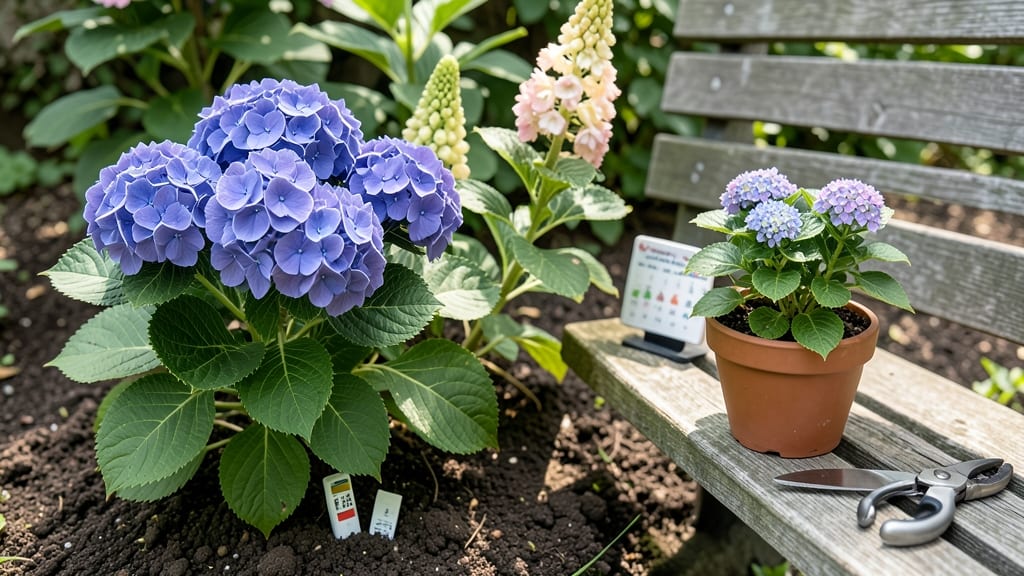
Hydrangeas bloom every year when given the right conditions, but their flowering habits depend on whether they're new-wood or old-wood varieties. New-wood types like 'Endless Summer' produce flowers on current season's growth, so they bloom reliably each year, while old-wood varieties like 'Annabelle' need last year's stems to flower and may skip blooming if pruned incorrectly.
Hydrangeas thrive with consistent care, but their blooming patterns vary dramatically between types. 🌸 New-wood varieties (like panicle hydrangeas) grow flowers on current season stems, so they reward proper pruning with abundant annual blooms.
Old-wood types (such as bigleaf hydrangeas) store flower buds on previous year's growth, making timing critical—prune after flowering to avoid cutting off next year's blooms.
Even with the right variety, factors like sunlight exposure, soil pH, and winter protection play huge roles in whether your hydrangeas will reward you with vibrant flowers each season.
For gardeners in cooler climates, choosing cold-hardy varieties like 'Limelight' or 'Little Lime' ensures reliable blooming, while those in warmer zones might opt for heat-tolerant types such as 'Endless Summer.'
The key is understanding your specific hydrangea's needs—some need spring pruning, others require waiting until summer to trim. This knowledge transforms guesswork into a predictable display of color every year.
💡 In This Article
- Why Some Hydrangeas Skip Blooming Each Year
- Best Hydrangea Varieties for Reliable Annual Flowers
Why some hydrangeas skip blooming each year
The reason many hydrangeas fail to bloom annually comes down to their biological growth patterns. New-wood varieties (like panicle hydrangeas) produce flowers on current season's growth, meaning they'll bloom reliably if given proper care.
However, old-wood types (such as bigleaf hydrangeas) store flower buds on stems from the previous year, which means improper pruning can remove next season's blooms entirely. This is why you might see lush foliage but no flowers—what appears to be healthy growth is actually a lack of flower buds.
Seasonal dormancy is another critical factor. Hydrangeas need a period of cold temperatures (20-40°F) to trigger bud formation. In warmer climates, this dormancy may not occur naturally, causing the plant to skip flowering.
Additionally, moisture levels matter: consistent soil moisture (not soggy) during the growing season helps maintain the energy needed for bud development. Too little water stresses the plant, while too much can lead to root rot, both of which disrupt flowering cycles. 🌱
Pruning timing is the most common mistake gardeners make. Old-wood varieties should never be pruned until after they've finished blooming (typically late summer or early fall), as cutting back too early removes next year's flower buds.
New-wood types, on the other hand, can be pruned in late winter or early spring to encourage fresh growth and more flowers. The key is knowing your hydrangea's type—this single factor explains why some plants bloom abundantly while others seem to skip seasons entirely.
Environmental triggers also play a role. Hydrangeas respond to daylight changes, with many varieties needing 6-8 hours of sunlight daily to produce flowers. Too much shade can result in leafy growth but no blooms.
Soil pH affects flower color too: acidic soils (5.0-5.5) produce blue flowers, while alkaline soils (> 7.0) yield pink blooms. Even the right pH won't help if the plant isn't getting enough light or proper pruning.
Consider the example of 'Annabelle' hydrangeas, which are old-wood types. If you prune them in early spring, you'll likely end up with no flowers that season because you've removed last year's buds.
In contrast, 'Endless Summer' (a new-wood variety) will produce flowers on current growth, so pruning in late winter actually encourages more blooms. This biological difference explains why some gardeners see reliable annual blooms while others struggle with inconsistent flowering. 🌸
For gardeners in regions with mild winters, artificial dormancy (like wrapping plants in burlap during cold snaps) can help trigger bud formation. In warmer climates, choosing heat-tolerant varieties like 'Limelight' or 'Little Lime' ensures better reliability.
The bottom line is that hydrangeas bloom every year when their specific needs are met—but those needs vary dramatically between types.