
How To
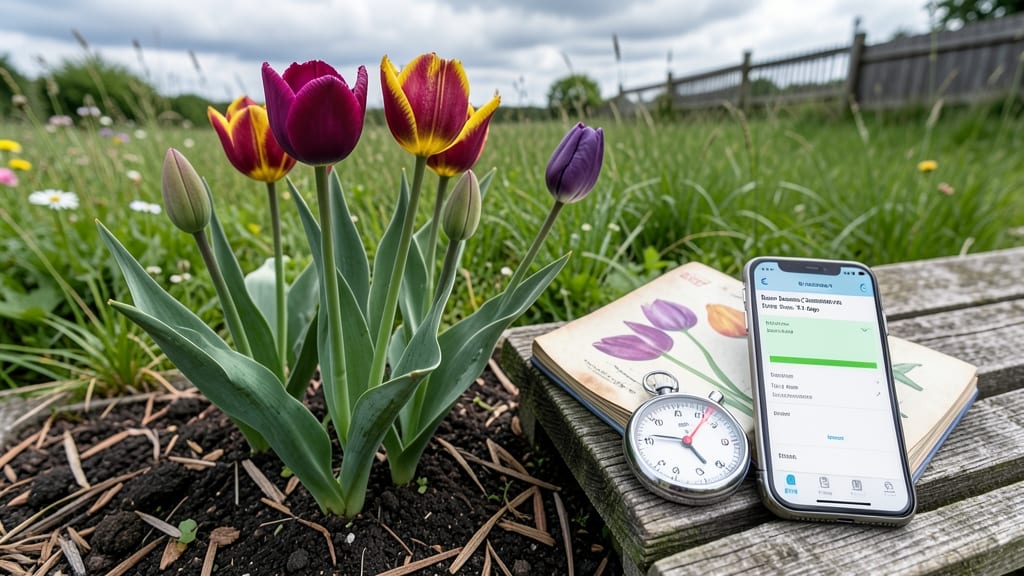
Tulips bloom for anywhere from 3 days to 3 weeks in spring, depending on the variety and your climate zone — and that range can feel like a guessing game if you haven’t grown them before.
If you’ve ever wondered why your 🌷 tulips seem to vanish overnight—or why some varieties last weeks while others fade in days—you’re not alone.
The blooming duration of tulips isn’t just a matter of luck; it depends on the specific variety you plant and the climate zone where you grow them.
For example, Darwin Hybrid tulips often stretch their show to 10–14 days, while early-season varieties like Greigii may only put on a 3–5 day display. Meanwhile, cooler zones like 6a tend to extend bloom time, while hotter summers can cut it short.
In this guide, I’ll break down the exact blooming windows by variety, how your local climate plays a role, and 5 simple tricks to keep those flowers fresh for weeks longer—no gardening degree required.
Tulip blooming duration by variety: from 3 days to 3 weeks
Tulips are famous for their bold spring color, but their blooming duration varies wildly—some varieties last just 3 days while others shine for 3 weeks. The difference? Genetics, flower structure, and even petal layers.
For example, Darwin Hybrid tulips pack thick, layered petals that hold moisture longer, while single early varieties like Greigii bloom fast but fade quickly. Understanding these traits helps you choose tulips that match your garden timeline and design goals.
Most gardeners assume all tulips follow the same 7-10 day blooming rule, but that’s far from true. Parrot tulips, for instance, have ruffled, layered petals that trap humidity, extending their show to 10-14 days.
Meanwhile, Double Late tulips—like 'Queen of Night'—can bloom for up to 21 days thanks to their extra petal layers. Even color plays a role: darker hues often bloom slightly longer than pale varieties due to heat absorption differences.
Here’s the key: Petal structure determines longevity. Tulips with fewer petals (like single early types) wilt faster because they lose moisture quickly. Conversely, double or fringed varieties have more surface area to retain water, slowing wilting.
This genetic quirk means your garden’s tulip show can stretch from early April to late May if you mix varieties strategically.
Let’s break it down by popular tulip types and their typical bloom windows. The table below highlights early, mid, and late-season performers, along with their average bloom duration in USDA Zone 6 (adjust for your climate).
Pro tip: Plant early bloomers in sheltered spots to delay heat stress, which can cut bloom time by 30-50%.
Notice how Double Late and Parrot tulips dominate the longest bloom charts? That’s because their genetic structure includes extra petal layers, which act like built-in moisture traps. Even in hot climates, these varieties hold up better than single-petal types.
For example, 'Black Hero' (a Darwin Hybrid) can bloom for 12 days in Zone 7, while 'Red Emperor' (a single early) may only last 4 days.
If you’re planning a sequential bloom garden, pair early short-lived varieties like Greigii with late long-blooming types like 'Queen of Night'. This creates a 3-week tulip show instead of a 1-week flash.
Just be mindful of overcrowding: tulips with longer bloom times often have larger bulbs, so space them 8–10 inches apart
How climate Zones affect tulip bloom length: a gardener’s guide
Your USDA climate zone plays a bigger role in tulip bloom length than you might think. In cooler zones (3–6), tulips often bloom 5–7 days longer than in hotter zones (7–10).
This isn’t just about temperature—it’s also about how sunlight intensity and day length interact with your tulips’ genetics. For example, Darwin Hybrid tulips in Zone 5 might bloom for 10–14 days, while the same variety in Zone 8 could fade in just 5–7 days due to heat stress.
Extreme temperatures—whether sub-freezing nights or 90°F+ daysZone 9–10, tulips often bloom earlier but wilt faster because the heat forces them to metabolize faster. Meanwhile, in Zone 3–4, late frosts can shorten bloom time by damaging buds before they fully open.
Understanding these patterns helps you choose the right varieties and extend bloom time with simple adjustments.
In Zones 3–6, tulips often bloom later in the season but last longer because cooler nights slow metabolic processes. For example, ‘Queen of Night’ tulips in Zone 4 can bloom for 2 weeks if protected from late frosts.
Meanwhile, in Zones 7–10, tulips may bloom earlier but fade faster—sometimes in just 3–5 days—due to heat stress. The key is selecting climate-adapted varieties and providing consistent moisture.
Sunlight exposure also matters. Tulips in full sun (6+ hours/day) in Zones 5–6 bloom 2–3 days longer than those in partial shade. However, in Zones 7–10, too much sun can overheat blooms, causing them to wilt prematurely.
If you’re in a hotter zone, try planting tulips where they get morning sun and afternoon shade from trees or structures.
To extend bloom time regardless of your zone, focus on soil moisture and deadheading. In dry zones (7–10), water tulips deeply 2–3 times per week during bloom season. In cooler zones (3–6), mulch with organic matter to insulate roots and retain moisture.
Even a 1-inch layer of mulch can add 3–5 extra bloom days by reducing temperature fluctuations.
Remember, tulips are perennial in Zones 3–7 but often treated as annuals in Zones 8–10 due to heat stress. If you’re in a warmer zone, consider replanting bulbs annually or choosing heat-resistant varieties like ‘Red Emperor’, which tolerates higher temperatures better than most.
With the right approach, you can double or even triple your tulips’ bloom duration—no matter where you garden.