
Blooming
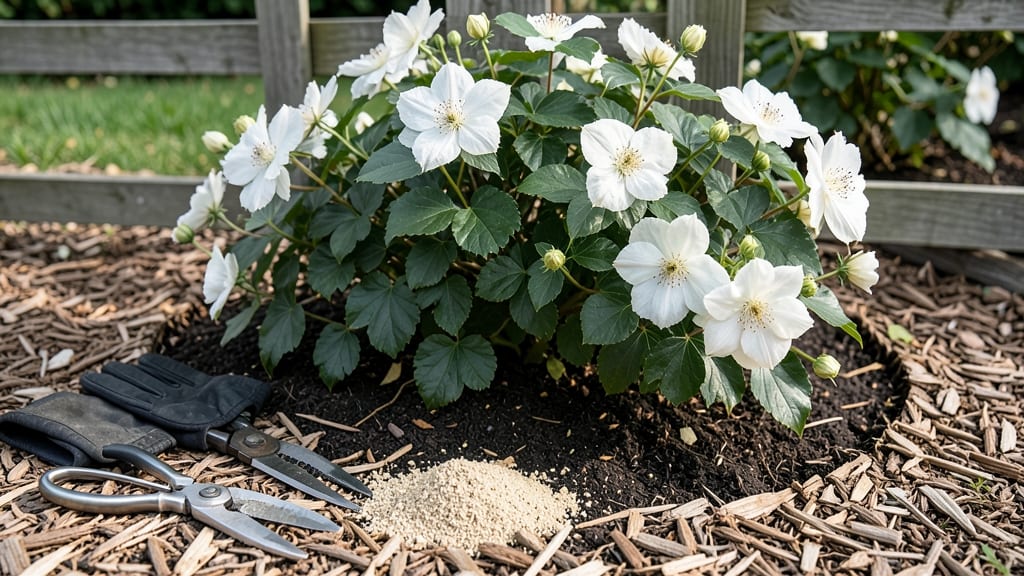
Your clematis could be covered in blooms all summer from June through September—if you prune it the right way. 🌸 The key is understanding how these vines grow: they bloom on new wood (Group 3) or old wood (Group 1), and pruning at the wrong time means fewer flowers.
I’ve watched my own plants go from sparse blooms to nonstop color just by adjusting when and how I cut back.
Start by identifying your clematis type—Group 3 varieties (like ‘Jackmanii’) need a hard prune in early spring, while Group 1 (such as ‘Early Sensation’) bloom on last year’s growth and only need light trimming.
Feed them with phosphorus-rich fertilizer in early summer to encourage more blooms, and water deeply but avoid soggy soil. Most gardeners over-prune or fertilize at the wrong time, which is why their vines look healthy but barely bloom.
By late summer, you’ll see new buds forming on the current year’s growth if you’ve pruned correctly. The secret is heat-triggered reblooming: when days stay warm, these vines respond by pushing out fresh flowers.
Mulch around the base to keep roots cool, and watch as your clematis turns into a summer-long floral display—no more waiting for a single spring burst.
This method works for both climbers on trellises and ground-cover varieties. The only rule? Don’t prune after midsummer—that’s when you risk cutting off next year’s blooms. With these adjustments, your clematis will keep flowering until frost, giving you the lush, repeat-blooming vines you’ve always wanted.
📚 In This Guide
- What you need
- Instructions
- Tips and common mistakes
- Wrapping up and next steps
What you need
- ● Clematis plant: Choose a reblooming variety (e.g., 'Jackmanii,' 'Niobe,' or 'Perle d’Azur') for best results.
- ● Well-draining potting mix: 5–10 gallons (for containers) or amend garden soil with compost (3–5 lbs per plant).
- ● Balanced fertilizer: 10-10-10 or 20-20-20 (organic options like fish emulsion work too!). Use 1 tbsp per plant every 4–6 weeks during growing season.
- ● Slow-release granules: 1 cup per plant (e.g., Osmocote) for steady nutrients.
- ● Pruning shears: Sharp, sterilized pair (or clean scissors in a pinch).
- ● Mulch: 2–3 inches of wood chips or straw to retain moisture and regulate soil temp.
- ● Drip irrigation or watering can: Aim for 1–2 inches of water per week (deep watering 2x/week).
- ● Heat-tolerant support: Trellis, arbor, or sturdy stakes (3–6 ft tall, depending on variety).
- ● Epsom salt: 1 tbsp dissolved in water (monthly spray for magnesium boost).
- ● Copper fungicide: For powdery mildew prevention (mix 1 tsp per gallon of water).
- ● Heat-reflective mulch: White gravel or aluminum foil (to protect roots in scorching climates).
- ● Bloom-boosting tea: Compost tea or banana peel infusion (for potassium).
- ● Shade cloth (30–50% coverage): For afternoon sun protection in hot zones.
Step-by-Step instructions for encouraging clematis reblooms
Here’s the proven method I use to keep clematis flowering nonstop—no more sporadic blooms or summer slumps.
🌱 Step 1: Prune Strategically for Season-Long Blooms
Clematis bloom types dictate pruning: group 1 (early spring bloomers) gets minimal cuts, while groups 2 and 3 (rebloomers) need aggressive pruning. For summer-long color, focus on group 2 and 3 varieties—cut back stems to just above the last set of healthy buds (usually 12–18 inches from the ground). This removes old wood and forces new growth that produces more flowers.
Timing matters: prune right after the first flush of spring blooms (around late May for most climates). If you wait too long, you’ll sacrifice early flowers for summer blooms. Use clean, sharp pruners to avoid tearing stems—ragged cuts invite disease. After pruning, water deeply to help the plant recover.
☀️ Step 2: Provide the Right Light and Heat Conditions
Clematis need full sun (6+ hours daily) to rebloom reliably, but roots crave shade. The trick? Plant with tops in sun, roots in shade—mulch heavily around the base to keep soil cool. In hot climates, afternoon shade prevents stress, which stunts flowering. Watch for wilting or yellowing leaves—this signals too much sun or heat stress.
Heat triggers reblooms, but consistent temperatures between 70–85°F work best. If your summers hit 90°F+, provide afternoon shade or mist leaves lightly in the heat of the day. Avoid fertilizing during extreme heat—it burns roots and delays blooming. Instead, wait until temperatures stabilize before feeding.
💧 Step 3: Water and Feed for Continuous Flowering
Deep, weekly watering (1–2 inches per week) keeps clematis blooming. Shallow watering stresses roots and reduces flower production. Water at the base, not overhead, to prevent fungal diseases like powdery mildew. You’ll know moisture is right when the top 2 inches of soil feel slightly damp—not soggy, not dry.
Feed every 4–6 weeks with a balanced, phosphorus-rich fertilizer (like 10-10-10 or 5-10-5) to encourage blooms. Stop fertilizing 8 weeks before the first frost—new growth won’t harden off in time. I also add composted manure or worm castings in early spring for slow-release nutrients. Avoid high-nitrogen fertilizers—they promote leafy growth at the expense of flowers.
✂️ Step 4: Deadhead and Train for More Blooms
Remove faded flowers promptly by cutting the stem just above the next set of leaves. This redirects the plant’s energy into new blooms instead of seed production. For large-flowered varieties, pinch back new growth when it reaches 12–18 inches to encourage bushier, more productive stems. You’ll see more side shoots and flowers within 2–3 weeks.
Train vines along a trellis or support structure to maximize airflow and sunlight exposure. Twist or weave stems gently—never tie tightly, as this can girdle the plant. If vines get leggy, trim back by one-third in midsummer to compact growth. This mid-season pruning often triggers a second flush of blooms by late summer.
🌿 Step 5: Protect and Maintain for Next Year’s Blooms
As summer winds down, reduce watering but keep soil moist—sudden dry spells stress plants. Apply a 2–3 inch layer of mulch around the base to insulate roots and retain moisture. In fall, cut back dead or damaged stems but leave healthy ones for next year’s blooms. Label varieties if you have multiple types—some clematis bloom on old wood, while others need summer pruning.
Before dormancy, feed with a high-phosphorus fertilizer (like 0-10-10) to strengthen roots for next year. In cold climates, wrap the base with burlap or straw to protect from winter winds. Come spring, prune lightly to remove dead wood and shape the plant—this sets the stage for another season of nonstop blooms.
Tips & tricks for nonstop clematis blooms
Here’s what nobody tells you about keeping clematis flowering all summer—these tricks make the difference between sporadic blooms and a garden full of color.
Pruning Precision: When pruning group 2 and 3 clematis in Step 1, look for the last set of healthy buds—these are your growth points for summer blooms. If you cut too high, you’ll lose potential flowers; too low, and you risk exposing the crown to cold. I mark the 12–18 inch target with a stake before cutting to avoid guesswork. Remember, the goal is to remove old wood while preserving the plant’s energy for new growth.
Heat Management: The 70–85°F range in Step 2 is your sweet spot for reblooming. If your summers hit 90°F+, create shade with a sheer curtain or lattice structure—this prevents heat stress without blocking sunlight entirely. I’ve seen clematis wilt dramatically in direct afternoon sun, only to recover with proper shading. The key is finding that balance between heat exposure and protection.
Fertilizer Timing: The instructions mention feeding every 4–6 weeks, but there’s a trick to maximize blooms: apply fertilizer right after a deep watering. This ensures nutrients reach the roots immediately rather than sitting on the surface. I also avoid fertilizing in extreme heat—roots can’t absorb nutrients efficiently when stressed, so wait until temperatures stabilize before feeding again.
Deadheading Discipline: In Step 4, don’t just cut faded flowers—remove the entire spent bloom stem down to the next set of leaves. This might seem drastic, but it forces the plant to redirect its energy into producing new flowers rather than seeds. I set a timer to check my clematis every 3–4 days during peak bloom season to prevent any missed opportunities for more blossoms.
Pro Tips for Make Clematis Bloom All Summer
- Here’s what nobody tells you about keeping clematis flowering all summer—these tricks make the difference between sporadic blooms and a garden full of color.
- Pruning Precision: When pruning group 2 and 3 clematis in Step 1, look for the last set of healthy buds—these are your growth points for summer blooms.
- Heat Management: The 70–85°F range in Step 2 is your sweet spot for reblooming.
Frequently asked questions
Got questions about keeping your clematis blooming all summer?
You’re not alone! Here are answers to the most common ones—so you can enjoy nonstop color without the guesswork.
Why does my clematis bloom once and then stop?
Most clematis are group 2 or 3, meaning they bloom on new growth after a hard prune in early spring. If you prune at the wrong time (or skip it), they’ll only flower once. Check your variety’s group and prune right after the first bloom to trigger summer reblooms!
When is the best time to prune for summer blooms?
For group 2 and 3 clematis, prune right after the first flush of flowers (usually late spring). Cut back by ⅓ to ½ of last year’s growth, leaving 4–6 healthy buds per stem. Avoid pruning in fall—it removes next year’s blooms!
Do clematis need special watering to keep blooming?
Yes! Consistent moisture is key—especially during heatwaves. Water deeply 2–3 times per week (more in extreme heat) and mulch heavily to retain moisture. Wilting leaves = fewer blooms. Drip irrigation works best to avoid fungal issues.
What if my clematis has no buds by midsummer?
Don’t panic! Check for:
- Deadheading: Remove spent blooms to encourage new ones.
- Fertilizer: Feed with a balanced bloom booster (like 10-10-10) every 4–6 weeks.
- Sunlight: Clematis need 6+ hours of sun—move to a sunnier spot if needed.
- Pests: Inspect for aphids or spider mites (they stress plants).
Can I force reblooms with heat or chemicals?
While you can’t chemically force clematis to rebloom, you can trick them with heat! If your area has a late spring frost, cover plants with frost cloth until danger passes—this delays dormancy and extends the blooming season. Also, avoid heavy nitrogen fertilizer (it promotes leaves, not flowers).
What if my clematis is a “once-a-year” bloomer?
Some group 1 clematis (like ‘Jackmanii’) bloom only once on old wood. For these, prune lightly in fall (remove dead/diseased stems) and feed in early spring to support next year’s blooms. Unfortunately, they won’t rebloom midseason—but group 2/3 varieties (like ‘Niobe’ or ‘Perle d’Azur’) are your best bet for summer color!
Wrapping up and next steps
With the right mix of pruning know-how, heat-triggered care, and nutrient balance, your clematis can burst into nonstop blooms all summer long! 🌸 Remember, patience and consistency are key—watch those vines thrive as you fine-tune your approach.
Now, grab those shears and get ready to transform your garden into a colorful paradise.
Your next step? Experiment with a few techniques—maybe try deadheading spent blooms or adjusting your watering schedule—and observe how your clematis responds. Before you know it, you’ll have a showstopping display that keeps neighbors green with envy! 🌿