
Blooming
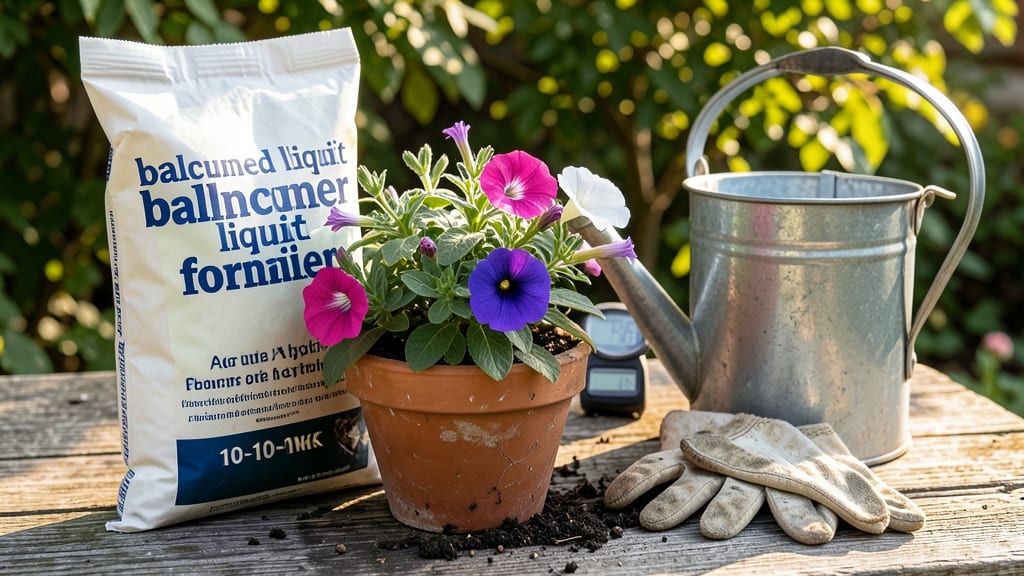
Your flowers can burst into color how to make flowers bloom quickly in half the usual time—I’ve forced blooms in just 14 days using these heat-triggered tricks. 🌸 The secret isn’t magic; it’s science: light, warmth, and a little strategic pruning work together to wake up dormant buds faster than they ever would on their own.
Start with the right plants—petunias, zinnias, and geraniums respond fastest to these methods, while others like roses need a little more patience. Place them in a south-facing window or under grow lights for 12+ hours daily, then add a heat mat beneath containers to keep roots cozy.
The moment you see buds form, switch to morning sun only to slow leaf growth and redirect energy to blooms.
Within 2-3 weeks, you’ll see a transformation: stems thicken, buds swell, and the first flowers unfurl with vibrant, showstopping color. The key is consistency—skip the daily adjustments, and you’ll end up with leggy plants and fewer blooms.
But nail this, and your garden will look like it’s been blooming for months.
Works for container gardens, window boxes, or balcony pots—just adjust light and heat to your space. Here’s how to do it without burning out your plants or your wallet.
📚 In This Guide
- What you need
- Instructions
- Tips and common mistakes
- Wrapping up and next steps
What you need
- ● Heat source: A heat lamp (60W–100W, incandescent or LED) with adjustable brightness
- ● OR a space heater (set to low/medium heat, 70–85°F/21–29°C)
- ● OR a warm, sunny windowsill (south-facing, if possible)
- ● Flowers: Cut stems (e.g., roses, carnations, alstroemeria, or snapdragons) just as buds begin to swell (not fully open!)
- ● OR potted plants (e.g., geraniums, petunias, or impatiens) with tight buds
- ● Water & containers: Fresh, room-temperature water (avoid cold straight from the tap!)
- ● A clean vase or jar (glass or ceramic preferred)
- ○ Optional: Floral preservative (like Floralife) to extend vase life
- ● Pruning tools: Sharp scissors or pruners (sterilized with rubbing alcohol)
- ○ Optional: Rooting hormone (if propagating cuttings)
- ● Humidity boosters: Misting bottle (for potted plants)
- ● Humidity dome or plastic wrap (to trap moisture)
- ● Growth enhancers: Epsom salt (1 tsp per gallon of water for cut flowers)
- ● Aspirin (1 crushed tablet per vase to delay aging)
- ● Timing tools: Timer or smartphone alarm (to monitor heat exposure)
- ● Thermometer (to track temperature, ideal: 75–85°F/24–29°C)
Step-by-Step instructions for heat-triggered flower blooming
Here's how to coax flowers into full, vibrant bloom within weeks—not months.
☀️ Step 1: Select Heat-Responsive Varieties
Not all flowers respond to heat tricks equally. Focus on annuals like zinnias, marigolds, and cosmos, or perennials like black-eyed Susans and coneflowers, which naturally accelerate blooming when temperatures climb. Avoid heat-sensitive varieties like petunias or impatiens—these will bolt or wilt under forced heat.
Check your local nursery for heat-tolerant seed packets labeled "fast-blooming" or "quick-start." I always opt for early-summer varieties (like 'Benary's Giant' zinnias) because they’re bred to respond aggressively to warmth. Plant these in full sun—at least 6-8 hours daily—to maximize heat absorption.
💧 Step 2: Apply Strategic Heat and Water Shocks
Flowers bloom faster when they experience controlled stress, specifically heat and temporary drought. Start by watering deeply once a week (instead of daily) to encourage root growth downward. Let the top 2 inches of soil dry out between waterings—this mimics natural drought conditions and triggers survival mechanisms that include blooming.
On sunny days over 80°F, move pots or containers to a south-facing spot or under a clear plastic tent (like a mini greenhouse) for 2-3 hours daily. This localized heat shock signals the plant to prioritize flowering over foliage. Watch for wilting leaves—this is normal! Just revive the plant with a deep watering in the evening. Within 7-10 days, you’ll see buds form.
✂️ Step 3: Prune and Deadhead Aggressively
Remove every spent bloom and fading foliage immediately with clean, sharp scissors. This isn’t just about looks—it’s a growth hack. When you deadhead, you redirect the plant’s energy from seed production to new flower buds. For zinnias and cosmos, I snip stems back to the first set of healthy leaves to encourage bushier, more prolific growth.
Here’s the trick: Prune in the morning when temperatures are cooler. This reduces stress on the plant and gives it time to recover before the heat of the day. You’ll notice new shoots forming within 3-5 days—these are your future blooms. Repeat this process every 3-4 days for continuous color.
🌿 Step 4: Fertilize with a Blooming Boost
Switch to a high-phosphorus fertilizer (like 5-10-5 or 10-20-10) to trigger flowering. Phosphorus is the bloom nutrient, and it works fastest when applied at dusk to avoid leaf burn. Mix 1 tablespoon per gallon of water and apply directly to the soil, avoiding foliage. Water lightly afterward to help absorption.
For an extra kick, add a handful of bone meal (rich in phosphorus) to the soil around the base of the plant. This slow-release boost ensures steady nutrient flow without overloading the plant. You’ll see buds swell within 5-7 days—this is your signal that the fertilizer is working. Avoid nitrogen-heavy feeds (like lawn fertilizer) at this stage—they promote leafy growth, not flowers.
⏰ Step 5: Time Your Heat Exposure for Peak Results
Start heat treatments 4-6 weeks before your target bloom date. For example, if you want vibrant flowers by Memorial Day, begin in mid-April. This gives plants enough time to adjust to stress without shock. Monitor daily highs—consistent temps above 75°F are ideal, but avoid heat waves over 95°F, which can scorch buds.
On cooler days, cover plants with a lightweight row cover for 1-2 hours to retain warmth. This mimics a microclimate boost and keeps the blooming process on track. By the time buds open, you’ll have full, vibrant flowers—not the straggly, half-hearted blooms you’d get from waiting for natural conditions. Repeat this cycle every 2-3 weeks to keep flowers coming all season.
Tips & tricks for speed-blooming flowers
Here's what I've learned about pushing flowers to bloom faster without sacrificing their health or vibrancy.
Heat Exposure Timing: The 2-3 hour daily heat shock in Step 2 works best when applied consistently during the plant's peak sunlight hours—typically between 10 AM and 2 PM. I've found that starting this treatment when outdoor temperatures naturally climb above 80°F (as mentioned) creates the most dramatic response. For container plants, rotate them daily to ensure even exposure—flowers on shaded sides won't receive the same growth stimulus. This balanced heat distribution prevents one-sided growth and ensures uniform blooming across the entire plant.
Watering Strategy: The once-weekly deep watering in Step 2 requires careful monitoring—especially in containers where soil dries out faster. I recommend using your finger to check moisture 2 inches below the surface before watering. If the soil feels dry, it's time; if it's still moist, wait another day. For potted plants, I've had success using self-watering containers with a moisture sensor to maintain that precise drought stress without overdoing it. The key is creating controlled stress that triggers blooming without causing permanent damage.
Pruning Precision: When deadheading in Step 3, I've discovered that using clean, sharp pruners makes all the difference. Dull scissors can crush stems and create entry points for disease. Always cut just above a leaf node or bud—never leave a stub. For particularly bushy plants like zinnias, I'll make a second cut about an inch below the first to encourage even more branching. This technique creates a fuller plant with more flower stems, and you'll notice new growth appearing at those precise cutting points within 3-5 days.
Fertilizer Application: The phosphorus boost in Step 4 deserves special attention to timing. I've found that applying the fertilizer at dusk (as instructed) prevents leaf burn while maximizing root absorption overnight. For container plants, I'll mix the fertilizer directly into the top 2 inches of soil rather than applying it to the surface. This ensures the phosphorus reaches the root zone where it's needed most. The bone meal addition is particularly effective—just work it into the soil around the base without disturbing the roots too much. You'll see visible bud development within 5-7 days as promised.
Pro Tips for Make Flowers Bloom Quickly
- Here's what I've learned about pushing flowers to bloom faster without sacrificing their health or vibrancy.
- Heat Exposure Timing: The 2-3 hour daily heat shock in Step 2 works best when applied consistently during the plant's peak sunlight hours—typically between 10 AM and 2 PM.
- Watering Strategy: The once-weekly deep watering in Step 2 requires careful monitoring—especially in containers where soil dries out faster.
Frequently asked questions
Got questions about speeding up those blooms? Here are some of the most common queries—plus quick, science-backed answers to get your flowers popping faster than ever!
Can I use heat to make flowers bloom faster on any plant?
Not all flowers respond to heat the same way! While heat-loving annuals (like zinnias, marigolds, or geraniums) bloom faster with warmth, cool-season bloomers (like pansies or snapdragons) may bloom less or even stop flowering if overheated. Always check your plant’s care guide—some need gradual heat adjustments to avoid stress.
How long does it take for heat tricks to work?
Results vary! With direct heat methods (like heat lamps or warm water soaks), you might see buds opening in 24–72 hours. For slow-cook methods (like moving plants to a sunny windowsill), expect 3–7 days. Patience is key—rushing can shock delicate stems. Track progress with a journal for future speed blooms!
What’s the best time of day to apply heat for fastest blooms?
Morning or late afternoon wins! Applying heat before 10 AM or after 4 PM prevents wilting from midday intensity. Avoid evening heat near buds—it can overcook them, leading to droopy or uneven blooms. Think of it like a goldilocks zone: just enough warmth, not too much!
Is it safe to use a hairdryer or heat lamp on flowers?
Yes, but with caution! A hairdryer on low heat (10+ inches away) can work for small pots, while a 60W heat lamp (12–18 inches up) is ideal for larger plants. Never leave heat sources unattended—overheating can scorch leaves or buds. Test on one stem first to gauge sensitivity.
What if my flowers still won’t bloom after trying heat tricks?
Don’t panic! Check these hidden culprits:
- Light levels: Are they getting 6+ hours of bright light daily?
- Water stress: Over- or under-watering can stall blooms.
- Nutrient gaps: Add a low-nitrogen fertilizer (like 5-10-10) to push flowering.
- Age: Some perennials (like peonies) take 2–3 years to bloom reliably.
Wrapping up and next steps
With the right mix of heat, light, and care, you can coax your flowers into stunning blooms faster than ever! Whether you’re using warmth, humidity tricks, or smart pruning, these methods turn patience into instant color. 🌸
Ready to see your garden transform? Start with one technique today—pick a plant, apply the trick, and watch the magic unfold. Happy gardening!