
Flowers
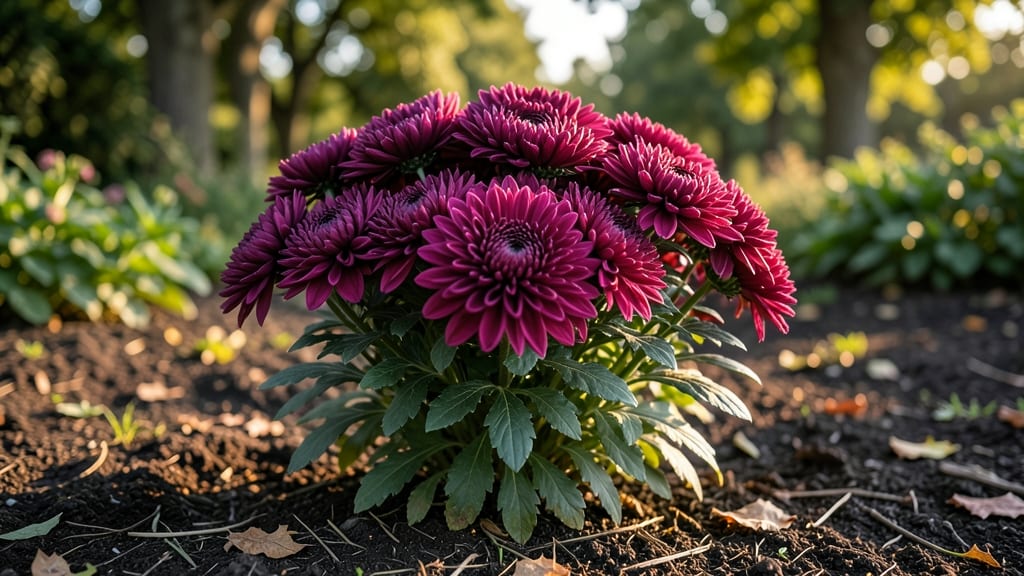
The mums flowers bloom time in late summer to fall turns gardens into bursts of color just when you need it most.
Nothing brightens autumn like vibrant mums—but timing your planting right is the secret to stunning fall blooms. Miss the window, and you’ll end up with sparse color or no flowers at all.
In Zone 6 and beyond, the key is planting 4-6 weeks before the first frost, usually between late summer and early fall. That means August to September for most gardeners, but cooler zones need an earlier start.
Below, I’ll break down the exact planting schedule by zone, how sunlight and soil affect bloom time, and the 3 simple tricks to keep your mums flowering longer—because who wants fall color to fade too soon?
Optimal planting times for mums by US hardiness Zones
Timing is everything when it comes to growing fall-blooming mums. Plant too early, and your chrysanthemums may bolt before frost. Plant too late, and you’ll miss the autumn color entirely. The key is understanding your USDA hardiness zone and adjusting for frost dates in your region.
Most gardeners opt for transplanted mums from nurseries, but seed-starting is possible for early blooms. Whether you're planting potted mums or direct-sowing seeds, the 4-6 week rule before your first frost is your best guide. Let’s break it down by zone to ensure vibrant fall blooms every year.
For Zones 3-4, where winters are harsh, focus on hardy mum varieties like 'Hardy Bonanza' or 'Autumn Joy'. These cold-tolerant mums can survive light frosts and often rebloom the following year. Plant in mid-July to give roots time to establish before early September frosts hit.
In Zones 5-6, you’ve got a slightly longer window. Aim for late July to mid-August transplants, especially if you’re growing standard-sized mums (2-3 feet tall). For dwarf varieties, you can push it to early September. Just remember: 6 weeks before frost is your cutoff for healthy blooms.
Gardeners in Zones 7-8 enjoy the longest fall bloom season, often stretching into December. Plant transplants in August for early September blooms, or go for direct sowing in July if you’re starting from seed. These zones also allow for overwintering mums in mild winters.
If you live in Zones 9-10, consider mums as year-round plants. Plant in September or early October for fall blooms, but you can also sow seeds in July for winter color. Just be mindful of heat stress—mums prefer cooler fall temperatures (60-70°F) for optimal blooming.
Pro tip: Use mulch to protect roots from temperature swings. A 2-3 inch layer of straw or shredded leaves helps insulate soil and retain moisture. This is especially critical in Zones 3-6, where early frosts can cut blooms short.
For seed-starting mums, begin indoors 8-10 weeks before transplanting. Use seed-starting mix and keep seedlings in bright light (grow lights work best). Harden off seedlings for 1 week before transplanting to avoid shock. This method is ideal for rare varieties not found in nurseries.
Always check your local frost dates—they can vary by 1-2 weeks even within the same zone. Use the National Weather Service or your local cooperative extension office for precise timing.
With the right planting schedule, your mums will reward you with weeks of stunning color—just in time for autumn celebrations!
How to extend mum bloom time: light, soil, and care tips
Want your mums flowers to burst into color and stay vibrant longer? The secret lies in three key factors: sunlight exposure, soil conditions, and proper care routines.
With the right approach, you can extend their bloom time by weeks—even months—while keeping them healthy and eye-catching. Let’s dive into the science-backed strategies that work.
First, light is non-negotiable for mums. These sun-lovers need at least 6 hours of direct sunlight daily to thrive. In Zones 7-10, where fall days grow shorter, supplement with a grow light if natural light dips below 4 hours.
For Zones 3-6, prioritize south-facing beds to maximize sunlight before the first frost hits.
🌼 Top 5 Tips to Extend Mum Bloom Time
- 1. Soil pH: Test your soil—mums thrive in slightly acidic to neutral pH (6.0-7.0). Amend with lime if pH is below 6.0 or sulfur if above 7.0.
- 2. Deadhead regularly: Snip spent blooms weekly to redirect energy to new flowers. Use clean bypass pruners to avoid damaging stems.
- 3. Water deeply: Soak roots 1-2 inches deep weekly (more in Zones 8-10 during heatwaves). Avoid wetting foliage to prevent powdery mildew.
- 4. Feed strategically: Use a balanced fertilizer (10-10-10) every 4-6 weeks starting in early August. Switch to low-phosphorus in September to prolong blooms.
- 5. Mulch properly: Apply 2-3 inches of mulch (straw or shredded leaves) around plants to retain moisture and regulate soil temperature. Keep mulch 2 inches away from stems.
Don’t overlook soil preparation—mums despise soggy roots but also struggle in rocky or compacted soil. Before planting, mix in compost or aged manure to improve drainage and nutrient availability. In containers, use a well-draining potting mix with perlite to prevent root rot, especially in humid Zones 7-9.
For zone-specific tweaks, adjust your care based on local conditions. In Zones 3-5, where frosts arrive early, plant hardy varieties like 'Autumn Beauty' and protect them with row covers after the first light frost.
In Zones 9-10, where winters are mild, mums may rebloom in spring—prune back 1/3 of the plant in late winter to encourage fresh growth.
Finally, watch for common mistakes that cut bloom time short. Over-fertilizing with nitrogen (the first number in NPK) leads to lush foliage but fewer flowers. Similarly, underwatering causes buds to drop before opening. Stick to the 1-inch-per-week rule for watering, adjusting for rainfall.
With these light, soil, and care tips, your mums will reward you with longer, brighter blooms—turning your garden into a fall masterpiece. Happy gardening! 🌼