Flowers
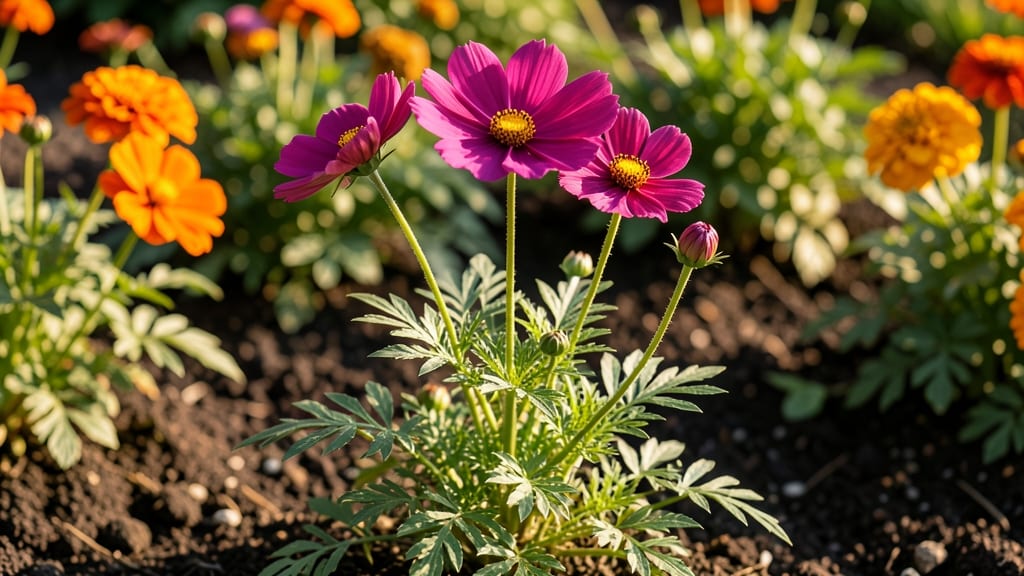
Cosmos flowers bloom in 60 to 75 days from seed, turning your garden into a vibrant canvas of pink, white, and yellow by mid-summer 🌸 — but timing depends on your zone and the variety you choose.
Picture this: you sow those tiny seeds in spring, and by July, your cosmos are dancing in the breeze, attracting bees and butterflies while requiring almost no effort from you. That’s the magic of cosmos, but not all varieties play by the same rules.
In USDA Zone 6a, where I garden, the fastest bloomers like 'Sensation Mix' pop open in just 45 days if planted right after the last frost (April 15 here).
Meanwhile, 'Cosmos bipinnatus' can take up to 75 days, and heat-loving 'Cosmos sulphureus' might wait until August unless you give it a head start indoors.
Below, I’ll break down the exact months to plant by zone, which varieties bloom first, and the simple tricks to stretch their show from July all the way through October — without deadheading every other day.
Fastest-blooming cosmos varieties & their exact bloom timeline
If you're dreaming of a garden bursting with color in record time, cosmos flowers deliver with their rapid growth cycle. Some varieties bloom in as few as 60 days from seed, while others take slightly longer—but all outperform most annuals.
The key lies in selecting the right fastest-blooming cultivars and understanding their bloom timelines under ideal conditions.
For gardeners in USDA Zones 3–11, timing is everything. Planting too early risks frost damage, while late sowing delays those coveted daisy-like blooms. Below, I break down the top 3 fastest cosmos varieties, their exact bloom windows, and how to maximize their speed with minimal effort.
Note: All timelines assume direct sowing after last frost in well-draining soil with full sun exposure. Adjust for cooler zones by starting seeds indoors or using row covers.
'Sensation Mix' is the fastest bloomer of the bunch, often producing first flowers in just 55 days under ideal conditions. This mixed-color variety thrives in hot, dry climates and continues blooming until frost. For a compact option, 'Bright Lights' delivers bold pink-and-green foliage with equally rapid results.
If you're in USDA Zones 3–5, aim to plant seeds 2–3 weeks after your last frost date to avoid stunted growth. In Zones 6–11, you can push it even earlier—late April to early May—for summer-long blooms.
Pro tip: Deadhead spent blooms to trigger non-stop flowering until frost.
For extended bloom seasons, pair cosmos with drought-tolerant companions like lantana or salvia. These plants share similar water needs and sun requirements, creating a low-maintenance pollinator magnet. Avoid over-fertilizing—cosmos prefer lean, well-draining soil and will bloom more prolifically with minimal nutrients.
In hotter climates (Zones 8–11), cosmos may bolting faster due to heat stress. To prevent early flowering before plants reach maturity, provide light afternoon shade during peak summer months. This simple trick can delay bolting by 1–2 weeks, giving you taller, showier stems.
One common misconception is that cosmos need rich soil to thrive. In reality, they prefer poor, sandy soil and detest soggy roots. Amend heavy clay with compost or perlite to improve drainage, but avoid high-nitrogen fertilizers, which promote leafy growth over flowers.
A light application of 5-10-10 fertilizer at planting is sufficient.
For container gardening, choose dwarf varieties like 'Bright Lights' or 'Purity' (white blooms). Plant in 5-gallon pots with well-draining potting mix and ensure containers have
When to plant cosmos by USDA zone for guaranteed summer blooms
Timing your cosmos planting is the secret to unlocking a summer garden bursting with cheerful blooms from July through October. Since cosmos thrive in warm soil and long daylight hours, your USDA zone dictates whether you direct-sow seeds or start transplants indoors.
In Zones 3–5, for example, you’ll want to wait until after the last frost—typically mid-May—while Zones 8–11 offer a longer window to plant as early as March.
Soil temperature is your best indicator: cosmos seeds won’t sprout until the soil reaches 60°F (15°C). Use a soil thermometer to confirm readiness, especially in cooler zones where early planting risks poor germination.
For transplants, wait until nighttime temperatures stay above 55°F (13°C) to avoid stunted growth. This timing ensures your cosmos will bolt to bloom in just 60–75 days.
Here’s how to align your planting with your zone for nonstop summer color:
In Zones 3–5, where late frosts linger, opt for transplants instead of direct-sowing to shave off 2–3 weeks of waiting. Start seeds indoors 6–8 weeks before your last frost date, then harden off seedlings before transplanting.
For Zones 8–11, you can even sow successive crops every 4–6 weeks to stagger blooms from spring through fall.
To extend the bloom season in cooler climates, choose dwarf varieties like ‘Purity’ or ‘Bright Lights’—they handle light frosts better than tall types. Also, deadhead spent blooms religiously to trigger new flowers.
In hot climates (Zones 9–11), provide afternoon shade in peak summer to prevent heat stress, which can shorten the bloom window.
Protect your cosmos from late-season frosts by covering plants with frost cloth or row covers when nighttime temps drop below 40°F (4°C). This simple step can preserve blooms into November in Zones 6–8, giving you 3–4 months of continuous color.
With the right timing, your cosmos will reward you with effortless beauty all summer long. 🌸