Blooming
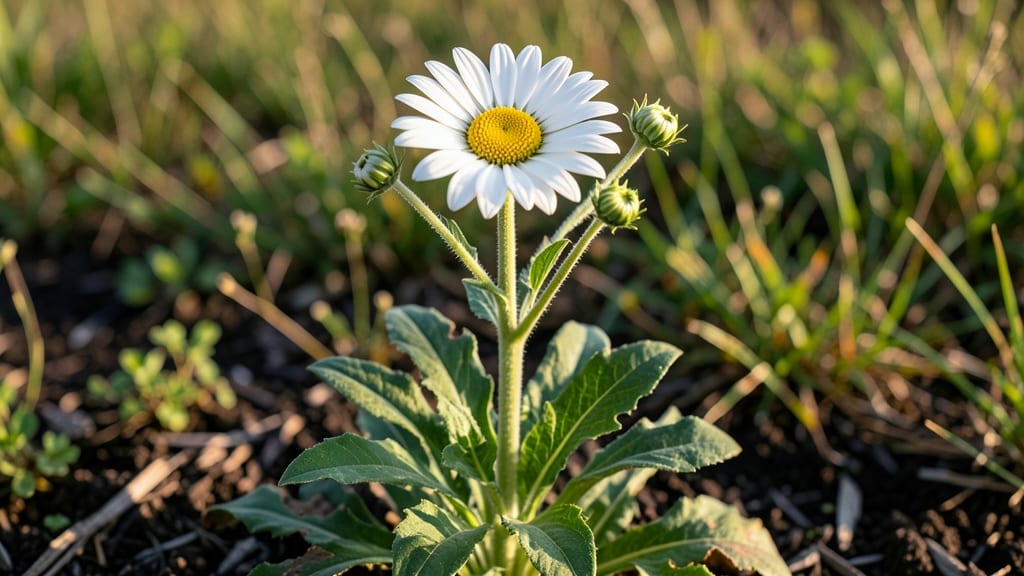
Your Shasta daisy bloom season depends on your variety and hardiness zone, but most burst into color from June through September 🌼—a showstopper that turns your garden into a summer dream.
If you’ve ever waited eagerly for your Shasta daisies to burst into bloom—only to be left wondering why they’re late—knowing the exact bloom season for your variety and hardiness zone could save you months of frustration.
In USDA Zone 6, where these beauties thrive, early bloomers like 'Becky' might start as early as late May, while late varieties like 'Krauseana' can stretch into October. Sunlight, soil, and even elevation play a role in shifting those timelines.
Below, I’ll break down the precise months for your specific variety, how to adjust for your climate, and the simple tricks to keep those blooms coming all season long.
Shasta daisy bloom season by variety: when to expect flowers
If you’ve planted Shasta daisies hoping for a summer-long display of cheerful white blooms, timing is everything. These classic perennials offer 3-4 weeks of continuous flowers—but their bloom season varies dramatically by variety and hardiness zone.
Knowing which early bloomers like 'Becky' start in late May versus late-season types like 'Krauseana' that peak in August lets you plan your garden layout for maximum impact.
Most Shasta daisies bloom from June through September, but the exact timing depends on your USDA zone and the specific cultivar you’ve chosen.
In Zone 5, for example, you might see 'Alaska' opening in early June, while in Zone 8, the same variety could bloom as late as mid-July.
Below, I’ve broken down the bloom windows for 10 popular varieties, complete with visual cues to help you predict—and extend—their flowering period.
🌼 Pro Tip: All Shasta daisies require 6+ hours of full sun and well-draining soil to hit their peak bloom potential. If your plants are struggling to flower, check their light exposure first—partial shade delays blooming by 2-3 weeks.
| Variety | Bloom Season (Zone 6) | Zone Adjustments | Visual Cues for Buds | Height at Bloom |
|---|---|---|---|---|
| 'Becky' | Late May–Early July | Zones 3–5: 2 weeks earlier; Zones 7–9: 2 weeks later | Green buds turn pink-tipped 3–5 days before opening | 2–3 ft |
| 'Alaska' | Early June–Late August | Zones 4–6: Peak in July; Zones 8–10: Starts in June | Bud centers darken to brown 2 days before bloom | 3–4 ft |
| 'Krauseana' | Mid-July–Early September | Zones 3–5: 3 weeks later than Zone 6; Zones 9–11: Overlaps with fall blooms | Petals curl slightly when buds are ready to open | 4–5 ft |
| 'Goliath' | Late June–Mid-September | Cold climates (Zones 3–4): Blooms in July–August only | Largest buds (3-inch diameter) appear first | 4–5 ft |
| 'Dwarf Beauty' | Early June–Late July | Zones 5–7: Best for container gardens; blooms 1 week earlier | Bud stems redden slightly before opening | 1–2 ft |
| 'Custard' | Mid-June–Early August | Heat-tolerant; Zones 7–9: longer bloom in fall | Petals yellow-t
How USDA hardiness Zones shift Shasta daisy bloom timingYour USDA hardiness zone plays a surprisingly big role in when your Shasta daisies bloom. In Zones 3–5, these beauties often start flowering 2–4 weeks earlier than their counterparts in Zones 6–9. This shift happens because colder climates trigger blooming sooner after winter dormancy, while warmer zones delay the process until temperatures stabilize. For example, in Zone 4, expect blooms as early as late May to June, while Zone 8 gardeners typically see flowers from July through August. These timing differences let you plan companion plants or garden maintenance around your local bloom cycle for maximum impact. Altitude also shifts bloom timing—every 1,000 feet higher can delay flowering by 1–2 weeks. Mountain gardeners in Zone 5 might see blooms as late as early July, while valley gardens at the same zone could flower in late June. This is why microclimates matter so much! Even within the same zone, microclimates like urban heat islands or sheltered garden spots can push blooms 1–2 weeks earlier. A south-facing bed might flower 10 days ahead of a north-facing one. Pay attention to these local variations to predict your daisies' performance accurately. If you're in Zones 9–11, expect blooms to stretch into September or October, but these daisies may need winter protection in colder snaps. In contrast, Zones 3–4 gardeners should plan for shorter bloom windows and focus on early-season varieties like 'Alaska' for the longest displays. Understanding these patterns helps you time deadheading, schedule fertilizing, and even plan cut flower harvests for peak beauty. For example, in Zone 7, deadhead every 2 weeks from June to August to keep blooms coming—just as they naturally peak! |