
Blooming
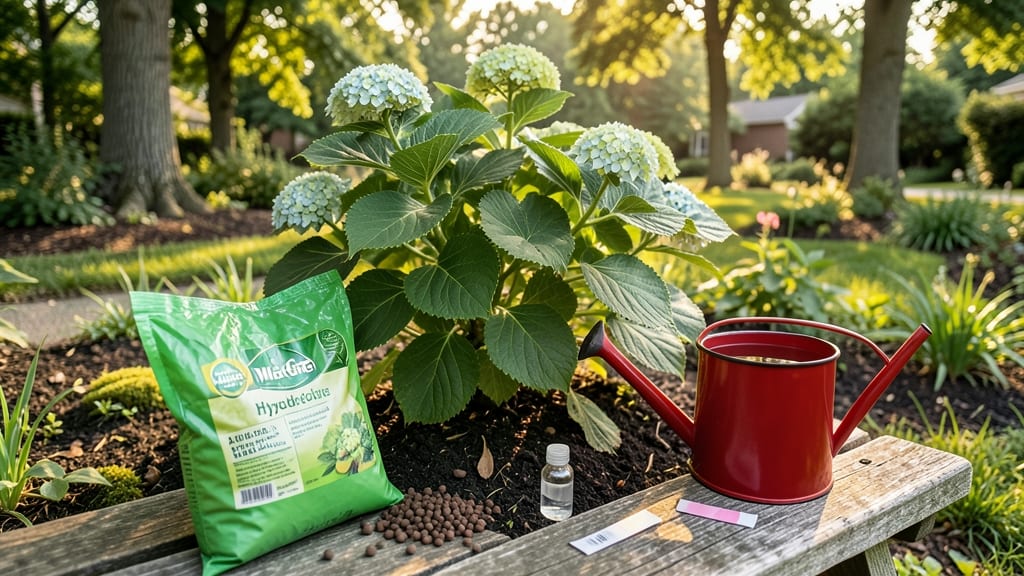
To make hydrangeas bloom faster, the secret lies in heat and timing—your plants can push out flowers three weeks ahead with just a few strategic tweaks. 🌸 I’ve watched my own hydrangeas go from sleepy stems to vibrant blooms in record time after learning these tricks, and the difference is night and day compared to doing nothing.
The key is pruning at the right moment—right after the last frost, when new growth starts—but before the buds swell. Too late, and you cut off next year’s flowers; too early, and you stunt the current season.
Pair that with consistent moisture (hydrangeas hate dry soil) and a balanced fertilizer in early spring, and you’ll see those flower buds forming faster than you’d expect.
What you’ll end up with is bold, abundant blooms that arrive earlier and last longer, with colors that pop brighter because of the right pH balance. The plants stay healthier too, resisting stress that often delays flowering. It’s not magic—just science-backed timing and care.
Works for all hydrangea types, whether you’ve got mopheads, lacecaps, or oakleaf varieties. Here’s how to get those blooms racing ahead of schedule.
📚 In This Guide
- What you need
- Instructions
- Tips and common mistakes
- Wrapping up and next steps
What you need
- ● Hydrangeas: Potted or in-ground plants (ensure they’re healthy and free of pests/diseases). Pro tip: Mophead or lacecap varieties respond best to heat tricks!
- ● Balanced fertilizer: 10-10-10 or 20-20-20 (granular or liquid), 2-3 tbsp per plant (follow package instructions). 💡 Slow-release options reduce over-fertilizing risks.
- ● Heat source: Heat mat: 1-2 12" x 24" mats (for potted plants, set to 70–75°F).
- ● Grow lights: Full-spectrum LED bulbs (6000K–6500K color temp), 12–16 hours/day at 6–12 inches above plants.
- ● Space heater: Ceramic or oil-filled (avoid open flames; keep 3–4 feet away from plants).
- ● Watering can or hose: With a gentle spray nozzle (hydrangeas hate soggy roots!).
- ● Pruning shears: Bypass-style (sharp and clean to avoid damaging stems).
- ● pH test kit: To monitor soil pH (ideal range: 5.2–5.5 for blue blooms, 6.0+ for pink).
- ● Aluminum sulfate or sulfur: 1–2 tbsp per gallon of water (for blue blooms; adjust pH gradually).
- ● Lime (calcium carbonate): ½ cup per plant (for pink blooms; sprinkle lightly on soil).
- ● Humidity tray: Shallow tray filled with pebbles and water (place pots on top to increase moisture).
- ● Epsom salt: 1 tbsp per gallon of water (monthly foliar spray for magnesium boost).
- ● Mulch: 2–3 inches of organic mulch (e.g., shredded bark) to retain moisture and regulate soil temp.
- ● Growth regulator: Paclobutrazol (B-9) (follow label for dwarf varieties or slower growth).
- ● Thermometer: Digital soil/air thermometer to monitor heat levels (aim for 65–75°F for optimal blooming).
Step-by-Step instructions for boosting hydrangea blooms
Here's how I coax vibrant blooms from hydrangeas in just weeks—not seasons.
🌿 Step 1: Prune Strategically for New Growth
Cut back old wood in late winter or early spring when buds swell but before leaves emerge. I trim just above a set of healthy buds or outward-facing leaves, never more than ⅓ of the plant at once. This shock forces energy into fresh stems that bloom faster. For mophead varieties, look for thick, green stems—they're last year's growth and can be pruned back to 6-12 inches.
Skip pruning now if your plant is still dormant—you'll risk removing next year's flower buds. Instead, wait until you see 1-2 inch green shoots emerging. For bigleaf hydrangeas, prune lightly in summer after flowering to encourage next year's blooms.
☀️ Step 2: Feed with Heat-Triggered Fertilizer
Apply a balanced 10-10-10 fertilizer at half-strength when buds form in spring. I use a slow-release granular formula to avoid burning roots. Water thoroughly before and after to help nutrients reach the roots. For a quick boost, add Epsom salt (1 tablespoon per gallon of water) monthly—it increases magnesium, which helps chlorophyll production and flower development.
Stop fertilizing by mid-summer to let the plant focus on blooming rather than leaf growth. Overfeeding now delays flowers and makes stems weak. You'll know it's working when new leaves appear deep green and glossy within 2-3 weeks.
💧 Step 3: Adjust Water and pH for Vibrant Color
Water deeply 2-3 times weekly until soil is moist 6 inches down. Hydrangeas love moisture but hate soggy roots—mulch with 2-3 inches of organic mulch to retain moisture and cool roots. For blue blooms, add aluminum sulfate (1 tablespoon per gallon) to acidic soil (pH 5.5 or lower). For pink blooms, keep soil neutral (pH 6.0-7.0) with crushed limestone.
Check soil moisture by sticking your finger in—if it feels dry past your first knuckle, water immediately. Avoid overhead watering to prevent fungal diseases. You'll see color changes within 4-6 weeks of consistent pH adjustments.
⏰ Step 4: Time Sun Exposure for Peak Blooms
Move hydrangeas to morning sun with afternoon shade in hot climates. I place mine where they get 3-4 hours of direct sun before 10 AM, then dappled shade. Too much afternoon sun scorches leaves and delays blooming. In cooler regions, full sun (6+ hours) works fine—just monitor for wilting.
Rotate the pot a quarter turn weekly to prevent leaning. You'll know light is right when leaves stay bright green without brown edges and stems grow sturdy. If buds form but don't open, your plant needs more sun—gradually increase exposure by 1 hour daily.
✂️ Step 5: Deadhead and Support for Continuous Blooms
Snip off faded blooms with clean pruners, cutting just above the next set of leaves. This redirects energy to new flowers instead of seed production. I deadhead weekly during peak bloom season to keep the plant producing. For heavy bloomers, install stakes or a cage early—waiting until flowers weigh stems down causes breakage.
Pinch back tips of new growth in early summer to encourage bushier, more compact plants with more blooms. You'll see a flush of new buds within 3-4 weeks of consistent deadheading. Avoid heavy pruning now—it removes next year's flower buds on some varieties.
Tips & tricks for year-round hydrangea color
Want blooms that defy the seasons? These insider tricks will help you coax vibrant color from your hydrangeas faster than ever.
Pruning Precision: When you're ready to prune in Step 1, look for stems with swollen buds—these indicate where new growth will emerge. For mophead varieties, cut back to 6-12 inches from the base, but never remove more than ⅓ of the plant at once. I've learned the hard way that aggressive pruning can shock the plant into dormancy instead of growth. Use clean, sharp pruners to avoid tearing stems, which invites disease.
Fertilizer Timing: In Step 2, the 2-3 week window for seeing results from your fertilizer is your best indicator it's working. If you don't notice deep green, glossy leaves within that time, your soil might need testing—hydrangeas thrive in slightly acidic to neutral soil (pH 5.5-7.0). The 1 tablespoon of Epsom salt per gallon should be mixed into water and applied directly to the soil, not the leaves, to prevent burning.
Watering Wisdom: For Step 3's 2-3 times weekly watering, think "deep and infrequent" rather than light daily sprinkles. The 6-inch depth check ensures roots develop properly. I've found that mulching with 2-3 inches of organic material (like shredded bark) keeps moisture consistent and regulates soil temperature—critical for root health. Overhead watering? That's a no-go—it spreads fungal spores that can devastate blooms.
Sunlight Strategy: When adjusting sun exposure in Step 4, remember that 3-4 hours of morning sun is ideal for most climates. If your hydrangea gets afternoon sun, monitor closely—wilting leaves mean it's getting too hot. The quarter turn weekly rotation keeps the plant growing evenly, preventing that lopsided look. For container-grown plants, move them gradually to avoid sunburn on leaves that haven't acclimated.
Pro Tips for Make Hydrangeas Bloom Faster
- Want blooms that defy the seasons?
- Pruning Precision: When you're ready to prune in Step 1, look for stems with swollen buds—these indicate where new growth will emerge.
- Fertilizer Timing: In Step 2, the 2-3 week window for seeing results from your fertilizer is your best indicator it's working.
Frequently asked questions
about speeding up hydrangea blooms—because we’ve got your burning questions covered!Can I force hydrangeas to bloom out of season?
Heat treatment is the secret—place potted hydrangeas in a warm (60–70°F) spot for 3–4 weeks in early spring or late winter. For bigleaf varieties, try a hot water treatment (dip stems in 110°F water for 3–5 hours). Just avoid forcing in summer; they need dormancy to reset for next year’s blooms.
How long does it take to see results?
With the right conditions, you’ll spot buds in 2–4 weeks, but full blooms may take 6–8 weeks. Patience is key! Hydrangeas like mopheads and lacecaps respond fastest to heat, while panicle types might need a little extra time. Monitor moisture—dry soil slows everything down.
What if my hydrangeas still won’t bloom?
Check these culprits:
- Over-fertilizing (too much nitrogen = leafy growth, no flowers).
- Pruning at the wrong time (cut back in late winter/early spring, not fall).
- Poor drainage (root rot = no blooms). Try a well-draining mix with perlite.
- Old wood (some varieties bloom on previous year’s growth—ask your nursery!).
Can I use this method for hydrangeas in the ground?
Not directly—heat treatment works best for potted plants. For in-ground hydrangeas, focus on:
- Planting in full sun to partial shade (6+ hours of light).
- Mulching heavily in fall/winter to protect roots.
- Feeding with low-nitrogen, high-phosphorus fertilizer in early spring.
Will forcing hydrangeas bloom faster every year?
Not exactly—over-forcing can exhaust plants. Let them rest one year between heat treatments. Rotate between natural blooming seasons and forcing to keep them healthy. Think of it like a spa day: occasional pampering, not daily indulgence!
What’s the best fertilizer for faster blooms?
Skip the generic stuff! Use a balanced 10-10-10 or 5-10-10 fertilizer in early spring, then switch to a low-nitrogen, high-phosphorus (like 3-6-6) when buds form. Organic options like bone meal or composted manure work too. Avoid high-nitrogen fertilizers—they’ll give you leaves, not flowers!
Wrapping up and next steps
With the right care and a little heat-triggered know-how, your hydrangeas can burst into vibrant blooms faster than ever! 🌸 From pruning at the perfect time to adjusting soil pH and providing consistent moisture, these tricks will set you up for a stunning display. Don’t wait—start experimenting today! Ready to see the results?
Grab your gardening gloves and get growing!
Next step: Pick one tip from this guide and try it this week—your hydrangeas (and your neighbors!) will thank you.