
Blooming
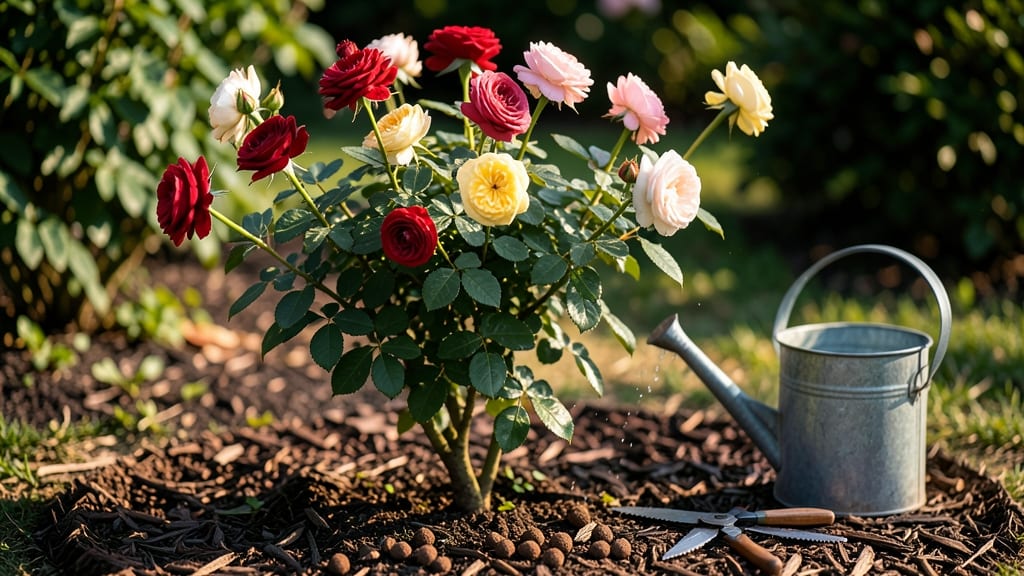
To make roses bloom more, you’re about to unlock the secret to nonstop color—no more sparse stems and tiny buds. 🌹 I’ve turned my once-sparse bushes into blooming powerhouses by mastering just two things: when and how to prune, and what to feed them.
The results? Roses that look like they belong in a botanical garden, not your backyard. Most gardeners over-prune or under-feed, but the sweet spot is cutting back in early spring (before new growth starts) and feeding every 4-6 weeks with a balanced rose fertilizer.
Skip the guesswork: I’ll show you the exact cuts to make—no more hacking away blindly—and which fertilizers actually work (spoiler: cheap all-purpose won’t cut it). By summer’s end, you’ll have clusters of blooms instead of lonely stems, and the fragrance will draw neighbors to your fence.
The best part? These techniques work for hybrid teas, floribundas, and even tough shrub roses. Let’s get those canes blooming like crazy.
Here’s the game-changer: Prune at a 45-degree angle just above an outward-facing bud, and always aim for an open center. This isn’t brain surgery—just a clean cut with sharp shears.
For feeding, organic options (like compost tea or fish emulsion) build long-term health, while synthetic blooming boosters (like Miracle-Gro for Roses) give quick color pops. Pro tip: Mulch heavily after pruning to lock in moisture and keep roots cool.
The payoff is weeks of continuous blooms, not just one big flush in June. I’ve seen roses push new buds every 3-4 weeks with this method—even in heat waves. And yes, it works for container roses too, just scale back the fertilizer by half.
Ready to transform those thorny sticks into a floral masterpiece?
Now, let’s tackle the mistakes that kill blooms: pruning too late (after buds swell), overwatering (soggy roots = fewer flowers), and skipping deadheading (yes, even in winter!). I’ll show you how to spot these issues before they derail your progress.
The goal isn’t perfection—it’s more blooms, less stress, and a garden that actually impresses.
📚 In This Guide
- What you need
- Instructions
- Tips and common mistakes
- Wrapping up and next steps
What you need
- ● Pruning shears or bypass pruners – Sharp, clean, and disinfected (70% isopropyl alcohol works). Quantity: 1 pair.
- ● Garden gloves – Heavy-duty, cut-resistant (nitrile-coated preferred). Quantity: 1 pair.
- ● Fertilizer – Choose one of these: Balanced rose-specific fertilizer (10-10-10 or 12-12-12 NPK ratio). Quantity: 1 lb or as per package instructions.
- ● Slow-release granular fertilizer (e.g., Osmocote). Quantity: 1–2 lbs per 100 sq ft.
- ● Organic options: Fish emulsion (5-1-1) or composted manure (e.g., cow or chicken). Quantity: 1–2 gallons or 2–3 lbs per plant.
- ● Mulch – Shredded bark or compost (2–4 inches thick). Quantity: Enough to cover the root zone.
- ● Watering can or hose with a gentle spray nozzle – For deep watering (1–2 gallons per plant).
- ● Disinfectant – Bleach solution (1 part bleach to 9 parts water) or rubbing alcohol (for tool sterilization).
- ● Epsom salt – For magnesium boost (1 tbsp per gallon of water, applied as a foliar spray). Quantity: Small bag.
- ● Copper fungicide – Prevents black spot or powdery mildew. Quantity: As per label instructions.
- ● Plant supports – Stakes or cages for climbing roses (if needed).
- ● pH test kit – To check soil acidity (ideal: 6.0–6.5 for roses).
- ● Compost tea – Liquid fertilizer for a quick nutrient kick.
Step-by-Step guide to pruning and feeding for nonstop rose blooms
Here's the method I swear by to transform your roses into continuous blooming powerhouses.
✂️ Step 1: Prune for Structure and Airflow
Start pruning in late winter or early spring before new growth begins. Remove any dead, diseased, or crossing branches first—they steal energy from healthy growth. I always cut just above an outward-facing bud, about ¼ inch above, using clean, sharp pruners. This ensures new shoots grow away from the center, improving airflow and reducing fungal diseases.
Look for branches growing inward or rubbing against others—these need to go immediately. You'll know you're doing it right when the center of the bush opens up, letting sunlight reach all the way to the ground. For hybrid teas, cut back last year's blooms to 4-5 buds from the base—this encourages stronger stems for next season's flowers.
💧 Step 2: Apply Balanced Fertilizer at Key Times
Feed your roses with a balanced 10-10-10 fertilizer when you see the first flush of new leaves in spring. I like to work in a handful of organic compost too—this gives slow-release nutrients while improving soil structure. Apply fertilizer 2-3 inches away from the base and water deeply afterward to prevent root burn.
Repeat feeding every 4-6 weeks during the growing season, but switch to a low-phosphorus, high-potassium fertilizer (like 5-10-15) once blooming starts. This shift encourages more flowers instead of just foliage. You'll notice new buds forming within 2-3 weeks of each feeding if the plant is healthy.
☀️ Step 3: Deadhead and Maintain Consistent Care
Deadhead spent blooms immediately by cutting back to the first 5-leaflet leaf below the flower. This redirects the plant's energy from seed production to creating new buds. I use clean shears for this step—never pull blooms off by hand, as you might damage tender stems. For climbing roses, only remove faded blooms from the current season's growth.
Water deeply 1-2 times per week, aiming for 1-2 inches of water per week. Let the top 2-3 inches of soil dry between waterings—overwatering causes root rot and weakens blooms. Mulch with 2-3 inches of organic mulch to retain moisture and regulate soil temperature. You'll see the difference in 3-4 weeks with stronger stems and more abundant flowers.
🌿 Step 4: Boost with Seasonal Feedings for Continuous Color
In mid-summer, give roses a high-phosphorus boost (like 10-20-10) to encourage another round of blooms. I mix this with a seaweed extract for stress relief—roses under heat stress produce fewer blooms. Apply fertilizer in the morning when temperatures are cooler to prevent leaf burn.
Watch for signs of nutrient deficiency: yellow leaves mean nitrogen deficiency, purple stems indicate phosphorus needs, and weak stems suggest potassium deficiency. Adjust your feeding schedule accordingly. With consistent care, you'll enjoy continuous blooms from spring through fall, with only a brief rest period in winter.
Tips & tricks for nonstop rose blooms
These insider strategies will help you maximize your roses' potential and keep them flowering like clockwork.
Pruning Precision: When cutting back last year's blooms to 4-5 buds from the base in Step 1, look for outward-facing buds that form a 45-degree angle from the stem. These buds produce the strongest stems for next season's flowers. I always make my cuts at a slight angle to prevent water from pooling on the wound, which reduces disease risk. For climbing roses, remember to only remove faded blooms from the current season's growth—never prune old wood, as it's where next year's blooms will form.
Fertilizer Timing Strategy: The 4-6 week feeding schedule in Step 2 works best when you align it with your roses' natural growth cycles. Start with the balanced 10-10-10 fertilizer when you see the first flush of new leaves in spring, then switch to the low-phosphorus, high-potassium formula as soon as you notice buds forming. This shift prevents excessive foliage growth at the expense of flowers. I've found that applying fertilizer in the morning gives it time to soak into the soil before afternoon heat can cause leaf burn.
Deadheading Technique: In Step 3, when deadheading to the first 5-leaflet leaf below the flower, be sure to use clean, sharp shears—not your garden clippers. Dull blades can crush stems and introduce diseases. For roses with multiple blooms on a stem (like floribundas), cut back to just above a strong outward-facing bud to encourage more blooms. This technique redirects the plant's energy from seed production to creating new buds, which is why you'll see a difference in just 3-4 weeks.
Pro Tips for Make Roses Bloom More
- These insider strategies will help you maximize your roses' potential and keep them flowering like clockwork.
- Pruning Precision: When cutting back last year's blooms to 4-5 buds from the base in Step 1, look for outward-facing buds that form a 45-degree angle from the stem.
- Fertilizer Timing Strategy: The 4-6 week feeding schedule in Step 2 works best when you align it with your roses' natural growth cycles.
Frequently asked questions
Got questions about coaxing more blooms from your roses? Here are some of the most common concerns—and their solutions! Whether you're troubleshooting a lackluster garden or just starting out, these answers will help you grow roses that won’t stop blooming.
Why aren’t my roses blooming even after pruning and feeding?
If your roses are still shy about blooms, check for these culprits: overcrowding (roots compete for nutrients), underwatering (drought stress halts growth), or pests/disease (like black spot or aphids). Also, some roses bloom once per season (like hybrid teas) unless pruned for repeat blooming. Try deadheading spent blooms and adjusting your fertilizer to low-nitrogen, high-phosphorus (like 5-10-5) to encourage flowers.
How long does it take to see more blooms after pruning and feeding?
Patience is key! With spring pruning, expect new growth (and buds) in 4–6 weeks. If you fertilize mid-summer, blooms may appear in 2–3 weeks. However, roses need time to adjust—don’t panic if you don’t see instant results. Consistency with water, sunlight (6+ hours/day), and care pays off big by late summer or next spring.
Can I use regular garden soil or do I need special rose soil?
Roses thrive in well-draining, slightly acidic soil (pH 6.0–6.5). While you don’t need pre-mixed rose soil, amending your garden soil with compost, perlite, or sand improves drainage. Avoid heavy clay soil—it suffocates roots and leads to rot. A simple DIY mix: 60% garden soil + 30% compost + 10% perlite works wonders!
Are expensive rose fertilizers worth it, or can I use cheaper alternatives?
Not always! Balanced organic fertilizers (like 10-10-10 or fish emulsion) or homemade compost tea work just as well. For a budget fix, mix 1 part bone meal (for phosphorus) + 1 part cottonseed meal (for nitrogen) + 2 parts compost. Just avoid high-nitrogen lawn fertilizers—they promote leafy growth over blooms. Consistency matters more than cost!
Do I need to adjust my care for roses in hot climates vs. cooler areas?
In hot climates, water deeply 2–3 times per week (early morning) and mulch to retain moisture. Prune lightly to avoid stress. In cooler areas, prune in early spring (after last frost) and use a slow-release fertilizer to prevent winter burn. Both climates benefit from afternoon shade to protect blooms from scorching (hot) or frost damage (cool).
What do I do if my roses bloom but then quickly drop off?
Dropping blooms often signal stress. Check for:
- Underwatering: Wilting petals = thirsty roses. Water at the base, not the leaves.
- Over-fertilizing: Too much nitrogen = weak stems; too much phosphorus = burned roots.
- Pests: Japanese beetles or spider mites devour petals. Spray with neem oil or insecticidal soap.
- Temperature shock: Sudden heat/cold can cause buds to abort. Mulch and water consistently.
Wrapping up and next steps
With the right care—like pruning for airflow, feeding with balanced nutrients, and protecting from pests—your roses can burst into nonstop, vibrant blooms all season! 🌹✨ Remember, consistency is key, but even small tweaks can make a big difference.
Now that you’re armed with expert tips, roll up your sleeves and give your roses the love they deserve—your garden will thank you with a dazzling display!
💡 Next step: Pick one technique from this guide (like deadheading or soil testing) and try it this week. Watch your roses thrive and share your progress—we’d love to see your blooming success!