
Blooming
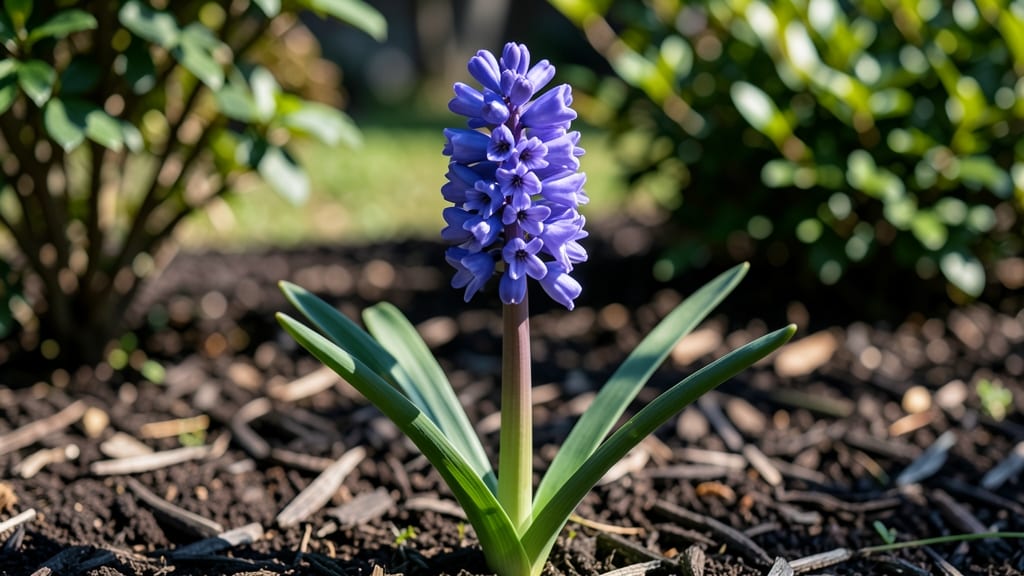
The hyacinth bloom season delivers those fragrant purple spikes you crave — but timing it right means the difference between a show-stopping spring display and a missed opportunity.
If you’ve ever caught the intoxicating scent of hyacinths wafting through your garden, you know their 🌷 spikes aren’t just beautiful—they’re a fragrant masterpiece. But timing is everything: Plant too early or too late, and you’ll miss their show-stopping bloom season entirely.
In Zone 6, most varieties burst into color from late March through May, but cooler climates can push blooms into April, while warmer regions might see them as early as February. The key? Planting depth, soil prep, and even bulb size all shift when your last frost falls.
Below, I break down the exact months for classic and rare varieties, how to adjust for your region, and the simple tricks to coax longer, more fragrant blooms—so you’re never left sniffing empty air where the flowers should be.
Exact hyacinth bloom season by variety: when to expect fragrant purple spikes
Hyacinths are one of spring’s most fragrant and eye-catching flowers, but their bloom season varies dramatically by variety and USDA zone. If you’ve planted 'Annette' or 'Delft Blue' bulbs, timing is critical—these beauties need precise conditions to deliver their signature purple spikes when you want them.
In Zone 6, most varieties bloom between late March and early May, but warmer zones like Zone 10 can push blooms into January or February, while colder Zone 3 gardens might see flowers as late as May.
Understanding these differences helps you plan for a longer display or even force indoor blooms.
Climate plays a huge role in bloom timing. Hyacinths are cool-season plants, and they rely on chilling periods (typically 12-16 weeks below 50°F) to trigger flowering.
In southern zones (7-10), where winters are mild, bulbs may not get enough chill time naturally, leading to delayed or sparse blooms. Conversely, northern zones (3-5) often see earlier blooms because the ground stays cold longer.
By choosing the right variety and adjusting planting times, you can extend your hyacinth season from late winter to early summer.
Here’s a monthly breakdown of when to expect blooms for popular varieties, along with zone-specific adjustments to maximize your garden’s fragrance. Use this as your guide to strategic planting and season extension—because with the right approach, you can enjoy hyacinths for months instead of weeks.
| Variety | Bloom Month (Zone 6) | Zone 3 Adjustment | Zone 10 Adjustment | Fragrance Note |
|---|---|---|---|---|
| 'Annette' | Late March - Early April | 1-2 weeks later | 2-3 weeks earlier | Sweet, spicy |
| 'Delft Blue' | Mid-April | Same timing | Late February - Early March | Fresh, citrusy |
| 'Woodstock' | Early May | 3-4 weeks later | January - February | Strong, floral |
| 'King of the Blues' | Late April - Early May | 2 weeks later | Late January | Intense, sweet |
| 'Pink Pearl' | Mid-April | Same timing | Late February | Delicate, rose-like |
| 'Jan Bos' | Early April | 1 week later | Late January | Pungent, spicy |
Adjust planting dates by 2-4 weeks earlier in warmer zones or later in colder zones for optimal blooms.
To extend your hyacinth season, try strategic planting. For example, plant 'Delft Blue' bulbs in early fall (September) for a February-March bloom in Zone 10, or delay planting 'Woodstock' until late October in Zone 3 to push blooms into June.
This staggered approach ensures you have continuous fragrance from late winter through early summer. Just remember: deeper planting (8 inches) in warmer zones can help bulbs chill faster, while shallow planting (4 inches) in colder zones prevents frost damage.
For indoor forcing, chill bulbs in a cool, dark place (32-40°F) for 10-12 weeks before potting. This mimics winter conditions and triggers earlier blooms—perfect for Valentine’s Day or Mother’s Day displays.
Use well-draining pots and place them in bright, indirect light once buds form. With this method, you can enjoy hyacinths months before they’d bloom outdoors.
Light and soil also influence bloom timing. Hyacinths thrive in full sun (6+ hours daily), but in hot climates (Zones 8-10), afternoon shade helps prevent early bolting (when plants flower too soon). Amend your soil with compost for better drainage—waterlogged conditions delay blooms or cause rot. Aim for sandy loam with a pH of 6.5-7.0 to encourage strong, healthy growth.
Watch for signs of stress like yellowing leaves or drooping buds, which can signal overwatering or nutrient deficiencies. A light fertilizer (5-10-10) in early spring (after shoots emerge) boosts bloom production.
Avoid heavy feeding in fall, as it encourages foliage growth at the expense of flower buds. Instead, focus on mulching with straw or leaves to insulate bulbs and maintain consistent soil temps.
If your hyacinths fail to bloom, check for these common issues:
- Too much sunlight (can cause early flowering or weak stems)
- Insufficient chilling (bulbs need cool temps for 10+ weeks)
- Overcrowded planting (bulbs need 4-6 inches of space)
- Poor drainage (leads to rot before blooming)
Fix these, and you’ll be rewarded with vibrant, fragrant spikes year after year.
Pro tip: Deadhead spent blooms to redirect energy into next year’s flowers. Leave the leaves until they yellow—they photosynthesize and feed the bulb for future blooms.
With the right variety selection, planting strategy, and care, your hyacinths can become a year-round scent sensation, from winter’s first thaw to summer’s last whisper. 🌷
How to time your hyacinth planting for peak bloom season success
Timing your hyacinth bulbs correctly ensures their fragrant purple spikes appear when you want them—whether for a spring garden display or indoor forcing. The key lies in understanding your last frost date, bulb size, and desired bloom window.
For most USDA zones 3-10, planting in fall (September-November) guarantees blooms by late winter or early spring.
Start by checking your local frost dates. Count backward 8-10 weeks from your target bloom date—this is your ideal planting window. For example, if you want blooms by March 15, plant bulbs around January 15.
Larger bulbs (like 12/14 size) bloom faster than smaller ones, so adjust timing accordingly.
⚠️ callout warning ⚠️
Hyacinths need cold dormancy to bloom. Planting in August or earlier risks rot before winter. If your soil isn’t frozen by planting time, use mulch (4-6 inches) to simulate winter conditions. For warmer climates (Zones 8-10), plant in December-January to avoid premature sprouting.
For indoor forcing, chill bulbs in a paper bag in your fridge (35-45°F) for 10-12 weeks before planting in pots. Use a well-draining mix (like cactus soil) and place pots in bright indirect light until buds form.
This tricks bulbs into blooming 6-8 weeks earlier than outdoor plantings.
Troubleshoot delayed blooms by checking soil drainage—hyacinths hate soggy roots. If buds don’t form, ensure bulbs got enough chill hours (at least 60-90 days below 45°F). In containers, use larger pots (6+ inches deep) to prevent overheating. Overcrowded bulbs also bloom poorly; space them 4-6 inches apart.
Extend your bloom season by staggering plantings. For a 3-week display, plant 1/3 of bulbs every 2 weeks in fall. Choose early bloomers (like 'Woodstock') alongside late varieties (like 'King of the Blues'). In containers, replace spent blooms with fresh bulbs for continuous color.
Pro tip: Mark your planting dates on a garden calendar to track progress. If sprouts emerge too early (before last frost), protect them with row covers or move pots indoors. With precise timing, you’ll enjoy hyacinths in bloom for 2-3 weeks—a fragrant reward for your patience!