
Blooming
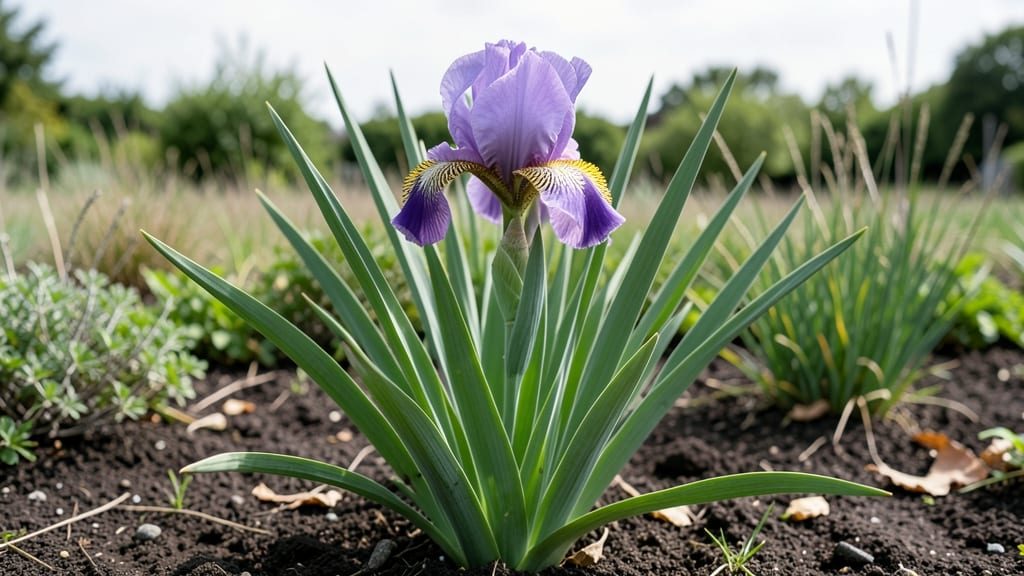
Iris plants bloom in spring, with timing that varies by variety and climate zone—typically between April and May for most regions, but early or late bloomers can shift that window by weeks.
Wondering why your iris blooms seem unpredictable? The timing of iris flowers depends entirely on your climate zone—and getting it right can mean the difference between a spectacular spring display and sparse, late blooms.
Bearded irises, for example, often burst into color in early spring, while Siberian irises may wait until late spring. Even within the same garden, one plant might bloom weeks ahead of another, depending on sunlight, soil, and last year’s care.
In this guide, I’ll break down the exact bloom windows by USDA zone, share care tips to extend your iris season, and help you troubleshoot why your plants might be playing hide-and-seek with their flowers.
When do iris plants bloom: climate-zone bloom time chart
Iris plants are famous for their vibrant blooms, but their timing varies dramatically depending on your USDA hardiness zone. Whether you're growing bearded irises or Siberian irises, knowing your zone helps you anticipate when to expect those stunning flowers—and how to encourage repeat blooms.
In warmer zones like Zone 8-10, irises may bloom as early as February, while in colder Zone 3-5, they might not appear until late May or June. The key is understanding your local climate patterns and choosing the right varieties for your region.
Most iris varieties bloom just once per season, but with proper care—like deadheading spent blooms and maintaining healthy rhizomes—you can coax a second round of flowers in late summer. This second bloom is often smaller but just as beautiful.
The chart below breaks down typical bloom windows by zone, including both primary and secondary blooms, so you can plan your garden around these stunning flowers.
Whether you're in the chilly Pacific Northwest or the hot, dry Southwest, this guide will help you predict when to expect iris magic in your garden.
🌸 Pro Tip: Early bloomers like Iris reticulata (Zone 3-8) often appear in late winter or early spring, while late bloomers such as Iris germanica may wait until late spring or early summer. Always check your specific variety's tendencies, as some hybrids bloom outside these general windows.
| USDA Zone | Primary Bloom Window | Secondary Bloom Window | Best Varieties for Zone | Care Tip |
|---|---|---|---|---|
| Zone 3-4 | Late May - Early June | Late July - August | Bearded irises, Siberian irises | Mulch heavily in winter |
| Zone 5-6 | Mid-May - Late June | Late June - Early August | Louisiana irises, Japanese irises | Divide rhizomes every 3-4 years |
| Zone 7-8 | February - April | September - October | Arilbred irises, Dutch irises | Water deeply during droughts |
| Zone 9-10 | January - March | August - September | Spanish irises, Juno irises | Provide afternoon shade in summer |
In Zone 3-4, where winters are long and harsh, irises often wait until late May or early June to bloom, giving gardeners a burst of color just as summer begins. The secondary bloom in late July or August is a bonus for those who've maintained their plants well.
In these colder zones, bearded irises and Siberian irises are the most reliable choices, as they handle frost and snow better than other varieties. Always mulch heavily in fall to protect rhizomes from freezing temperatures, which can delay or prevent blooming the following year.
Gardeners in Zone 5-6 enjoy a slightly earlier bloom window, with flowers appearing as early as mid-May and lasting through late June.
The secondary bloom in late June or early August is often more robust in these zones due to longer daylight hours. Louisiana irises and Japanese irises thrive here, offering unique colors and textures.
To encourage repeat blooms, divide rhizomes every 3-4 years—this rejuvenates the plant and promotes healthier, more frequent flowering.
If you live in Zone 7-8, you're in luck: irises here can bloom as early as February, giving you a head start on spring color.
The secondary bloom in September or October extends your garden's beauty into fall. Arilbred irises and Dutch irises are popular in these zones for their vibrant hues and adaptability.
Since summers can be hot and dry, water deeply during droughts to keep rhizomes from drying out, which can stress the plant and reduce blooming.
For those in Zone 9-10, iris blooms can start as early as January, making them one of the first flowers of the year. The secondary bloom in August or September is a late-season treat.
Varieties like Spanish irises and Juno irises thrive in these warmer climates. To prevent rhizomes from overheating, provide afternoon shade during the hottest months. This helps maintain moisture levels and encourages stronger blooms.
No matter your zone, the key to predictable iris blooms is consistency. Provide full sun exposure, well-draining soil, and proper spacing between rhizomes. Avoid over-fertilizing with nitrogen, as this promotes leaf growth at the expense of flowers.
Instead, use a balanced fertilizer in early spring to support both foliage and blooms. With the right care, your irises will reward you with stunning, timely flowers year after year.
🌿 Remember: If your irises aren't blooming on schedule, check for overcrowding, poor drainage, or nutrient deficiencies. Adjusting these factors can often bring your blooms back on track!
How to extend iris bloom time with proper care
Irises are known for their stunning blooms, but many gardeners struggle with short-lived flowers or single-season displays. The good news? With the right care, you can extend your iris bloom time from weeks to months.
Start by focusing on three key areas: soil conditions, watering practices, and pruning techniques. These simple adjustments can transform your irises from one-time showstoppers to long-lasting garden stars.
First, let’s tackle the foundation—your soil. Irises thrive in slightly acidic to neutral soil with a pH between 6.0 and 7.0.
If your soil is too alkaline (common in many regions), your irises may struggle to absorb essential nutrients like iron and phosphorus, which directly impact bloom health and duration. A quick soil test will reveal if adjustments are needed, and adding sulfur or peat moss can help lower pH naturally.
Watering plays a crucial role in extending bloom time. Unlike many flowers, irises prefer moderate moisture—they hate soggy roots but also dislike drought stress. Aim for deep watering 2-3 times per week during the blooming season, ensuring the soil is moist but not waterlogged.
In hot climates, morning watering is ideal to reduce evaporation and fungal risks. Mulching around the base with organic matter (like straw or shredded bark) helps retain moisture while keeping roots cool.
Pruning might seem counterintuitive, but it’s essential for repeat blooming. After your irises finish flowering, trim the seed pods (if present) to redirect energy back into the rhizomes. Then, wait until late summer or early fall to cut back the foliage—never before it turns yellow!
This yellowing process is how irises store nutrients for next year’s blooms. If you prune too early, you’ll shorten the bloom time in subsequent seasons.
For reblooming varieties (like Louisiana irises or hybrid bearded irises), a light feeding in early summer can encourage a second flush of flowers. Use a low-nitrogen, high-phosphorus fertilizer (like 5-10-10) to promote flowering rather than leafy growth.
Avoid heavy fertilizers in late summer, as this can stimulate new growth that won’t harden off before winter, potentially damaging the plant.
Seasonal maintenance is the final piece of the puzzle. In fall, apply a 3-inch layer of mulch to insulate rhizomes and protect them from freezing temperatures. In spring, remove old mulch and check for signs of rhizome rot or pests.
Healthy rhizomes with firm, plump roots are your best guarantee for long, vibrant blooms. With these steps, your irises could bloom for 6-8 weeks instead of just a few!
Remember, consistency is key. Irises are low-maintenance once established, but they do reward attentive care. Start with soil health, refine your watering routine, and time your pruning perfectly—your garden will thank you with months of stunning color instead of fleeting spring blooms. 🌸