
Blooming
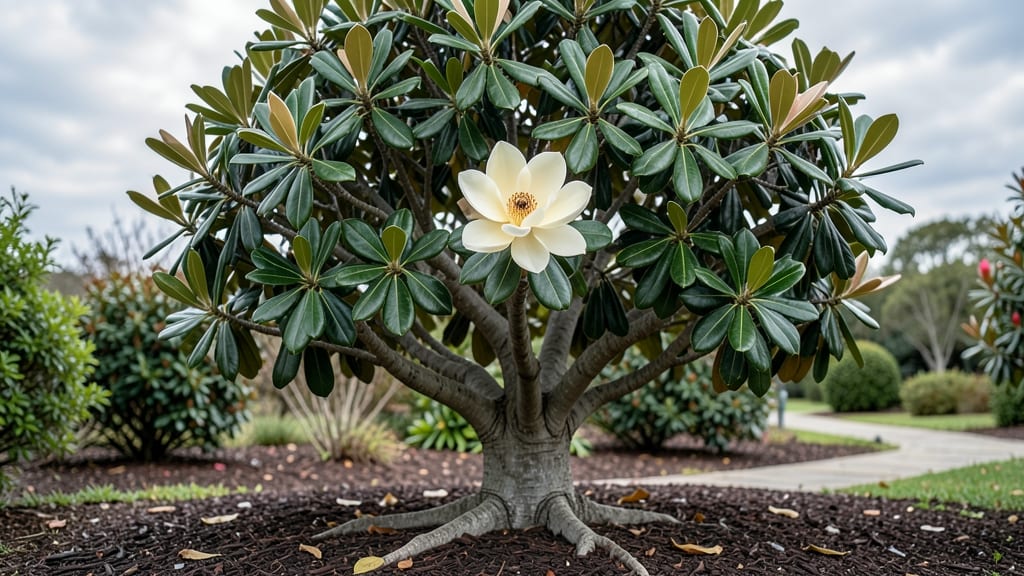
The Jane Magnolia bloom time in late spring—typically between late April and early May—transforms your garden into a showstopper with its delicate pink flowers.
But here’s the catch: planting too early risks frost damage, while planting too late might mean you miss the peak bloom window entirely. If you’ve ever waited eagerly for those stunning flowers only to be disappointed, you’re not alone.
This guide breaks down the ideal planting timeline for your USDA Zone 6a, how sunlight and soil prep affect bloom time, and the simple care tips that make all the difference.
You’ll learn when to plant for maximum impact, how to protect blooms from late frosts, and even how to extend the season—so you can enjoy that Jane Magnolia magic for weeks.
Understanding Jane Magnolia bloom time and climate zones
The Jane Magnolia (Magnolia × 'Jane') is famous for its pink, tulip-shaped blooms that appear in late spring. But knowing when to expect flowers depends on your USDA hardiness zone and local climate.
Most gardeners see blooms between late April and early May, but timing shifts based on frost dates and regional warmth.
This semi-evergreen tree thrives in USDA zones 4-9, making it adaptable across much of the U.S. However, late frosts can damage buds, while early heat waves may shorten the bloom window. Understanding these factors ensures you’ll enjoy peak flowering year after year.
| Region | Typical Bloom Time | Key Climate Factors | Frost Risk |
|---|---|---|---|
| Northeast (Zones 4-6) | Late April to mid-May | Cooler springs, late frosts | High (buds vulnerable until May 10) |
| Midwest (Zones 5-7) | Early to mid-May | Moderate temps, variable frost dates | Moderate (watch April forecasts) |
| South (Zones 7-9) | March to early April | Warmer winters, fewer frost events | Low (blooms earlier, less risk) |
| Pacific Northwest (Zones 7-8) | Late April to early May | Cool maritime climate, damp springs | Low (few late frosts) |
In the Northeast, gardeners often face late frosts that can delay blooms until mid-May. I’ve seen buds open in early April in Zone 8 (like Atlanta), but a 30°F dip can damage them.
Meanwhile, in Zone 5 (Chicago area), blooms typically wait until after Memorial Day to avoid frost.
The South enjoys earlier blooms—often by March—because milder winters allow buds to swell sooner. However, unusually cold snaps (like those in Texas winters) can still cause bud drop. In Zone 9 (Los Angeles), Jane Magnolias may bloom twice a year if conditions are ideal.
Climate also affects bloom duration. In humid climates (like the Southeast), flowers last 2-3 weeks, while drier regions (like the Southwest) may see shorter displays. I’ve noticed that well-draining soil and morning sun help extend the bloom period by reducing stress on the tree.
If you’re in Zone 4, choose a protected planting site near a south-facing wall to capture extra warmth. In Zone 9, provide afternoon shade to prevent leaf scorch. Both adjustments help optimize bloom timing for your local conditions.
For container-grown Jane Magnolias, bloom time may shift slightly due to root restriction. I’ve found potted trees in Zone 6 bloom 1-2 weeks later than in-ground plants. To compensate, move containers to warmer microclimates (like patios) during bud swell.
Watch for bud set in late summer—this is when next year’s flowers form! In Zone 7, I mark my calendar for August 15 to monitor bud development. A healthy canopy and balanced fertilization (like 10-10-10 in spring) encourage stronger buds.
Pro tip: Use a frost clock or local cooperative extension service to track last frost dates in your area. Planting Jane Magnolias 4-6 weeks before your average last frost gives roots time to establish before buds open.
Finally, remember that young trees (under 3 years old) may bloom sparingly as they focus on root growth. Patience pays off—once established, a Jane Magnolia can produce hundreds of blooms each spring, making it a garden centerpiece worth the wait. 🌸🌿🌳
Best planting timeline for Jane Magnolia blooms: month-by-month guide
The Jane Magnolia (Magnolia × soulangeana 'Jane') rewards patience with showstopping pink blooms that arrive in late April to early May. To ensure your tree reaches its full bloom potential, planting timing matters just as much as soil prep and pruning.
Whether you're in the South, Midwest, or Northeast, this month-by-month guide helps you align your planting schedule with your region's climate to maximize those stunning flowers.
For best results, focus on two key planting windows: fall (October-November) for cooler climates and early spring (March-April) for warmer regions. Fall planting gives roots time to establish before winter dormancy, while spring planting ensures your tree starts growing when temperatures rise.
Both approaches require careful soil prep and strategic pruning to set the stage for abundant blooms.
- 🌱 October-November (Fall Planting): Ideal for USDA zones 4-6. Plant 6-8 weeks before first frost to allow root establishment before winter. Mulch heavily to protect roots from freezing.
- 🌿 March-April (Spring Planting): Best for zones 7-9. Plant after last frost date (typically mid-April in most regions). Water deeply to encourage root growth before summer heat arrives.
- 🪴 Soil Prep: Amend soil with compost and sand for drainage. Jane Magnolias hate soggy roots. Aim for a slightly acidic pH (5.5-6.5) to support healthy growth.
- ✂️ Pruning for Blooms: Prune right after flowering (May-June) to remove dead wood. Avoid heavy pruning—it can reduce next year's blooms. Thin out crowded branches to improve airflow.
- ☀️ Sunlight Strategy: Plant in full sun to partial shade. In hot climates, afternoon shade prevents leaf scorch. South-facing locations work best in cooler regions.
After planting, water deeply once a week for the first year to help roots spread. Once established, Jane Magnolias tolerate drought but still need consistent moisture during dry spells. In USDA zones 4-5, protect young trees with burlap wraps during winter to shield them from harsh winds and frost.
To extend bloom season, avoid fertilizing in late summer—this can stimulate new growth that won’t harden off before frost. Instead, focus on mulching in fall to insulate roots and light pruning in early spring to encourage strong flower buds.
With the right timing and care, your Jane Magnolia will reward you with years of reliable, vibrant blooms.
Pro tip: If you live in a warmer climate (zones 8-9), plant in late fall (November-December) to take advantage of cooler winter temperatures and avoid summer heat stress.
The key is always to plant when soil temps are cool but not frozen—this gives roots the best chance to establish before active growth begins.