Blooming
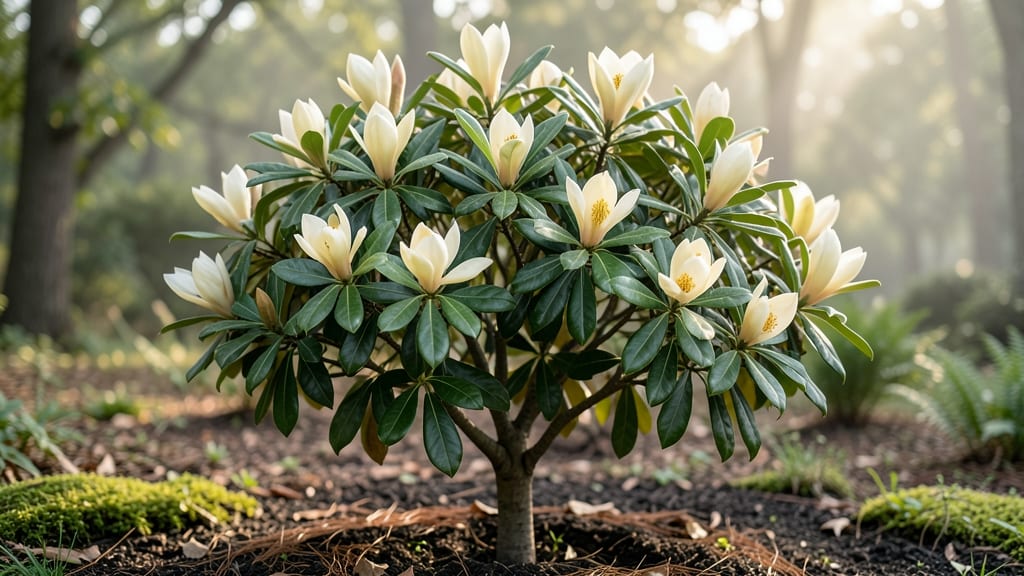
The Sweetbay Magnolia’s bloom time arrives later than you might expect, turning your garden into a fragrant sanctuary when most spring blooms have faded.
If you’ve ever dreamed of waking up to the intoxicating scent of white magnolia blooms in your garden, timing is everything—especially when it comes to this native Southern beauty’s bloom window.
Unlike its showy cousins, the Sweetbay Magnolia 🌸 waits until late spring or early summer to reward patient gardeners with its delicate, fragrant flowers.
In USDA Zone 6a, where this tree thrives, blooms typically appear in May or June, but warmer zones like 8 or 9 may see flowers as early as April. The key? Understanding how your local climate and care habits can shift that window by weeks—or even months.
Below, I’ll break down the exact bloom months by zone, share how to encourage longer flowering with simple pruning tricks, and compare it to its more famous relative, the Southern Magnolia. Ready to plan your fragrant garden?
Sweetbay Magnolia bloom time by USDA hardiness zones: month-by-month guide
The Sweetbay Magnolia (Magnolia virginiana) is a fragrant gem that rewards gardeners with its delicate white blooms—but timing varies dramatically by USDA zone. Unlike its bold Southern cousin, this native tree blooms later, often after the spring rush of tulips and azaleas.
Understanding your zone’s bloom window helps you plan for the best visual and olfactory impact in your landscape.
Climate plays a huge role in bloom timing. Warmer zones (8-10) see blooms as early as March, while colder zones (5-6) may wait until May or June.
Even within a single zone, regional microclimates—like coastal humidity or inland dryness—can shift bloom dates by 2-4 weeks. Let’s break down what to expect where you garden.
Pro Tip: Sweetbay magnolias are late-season bloomers, meaning they often share the stage with summer annuals like cleome or lantana. This makes them perfect for extending your garden’s fragrance and color into early summer.
| USDA Zone | Typical Bloom Window | Regional Variations | Climate Factors |
|---|---|---|---|
| Zone 5 | Late May - Early June | Northern Zone 5 (e.g., Chicago): June Cooler microclimates: July |
Longer chilling requirements; delayed spring warmth |
| Zone 6 | Mid-May - Late May | Appalachia: Early May Midwest: Late May |
Inland areas bloom later than coastal |
| Zone 7 | April - Mid-May | Atlanta: Early April St. Louis: Mid-May |
Humidity extends bloom season; drought shortens it |
| Zone 8 | March - April | Coastal NC: March Inland TN: April |
Mild winters = earlier blooms; frost risk in March |
| Zone 9 | February - March | Florida Panhandle: February Central FL: January-February |
Warm winters = year-round potential; frost cuts short |
| Zone 10 | January - February | Houston: January South TX: December-January |
No frost = extended blooming; heat stress in summer |
In Zone 5, where winters are harsh, Sweetbay Magnolias often wait until late May or June to bloom. This delay gives gardeners in colder climates a chance to plant early-season companions like daffodils or bleeding hearts before the magnolia’s grand entrance.
The trade-off? You’ll miss out on the early spring fragrance that warmer zones enjoy.
By contrast, Zone 9 and 10 gardeners can expect blooms as early as January or February, aligning perfectly with camellias or winter jasmine. The downside? Late-winter frosts can nip buds before they open.
To protect your tree, consider wrapping it in burlap during cold snaps or planting it where it benefits from southern exposure for warmth.
Did you know? Sweetbay Magnolias in coastal areas (like South Carolina or Georgia) often bloom 2-3 weeks earlier than inland counterparts due to milder winters and higher humidity. If you live near the coast, you might catch those first fragrant blooms by late February—a true early-season treat!
For gardeners in Zone 7, timing is especially critical. The transition from winter to spring can be unpredictable, with warm spells followed by cold snaps. To encourage reliable blooming, plant your Sweetbay Magnolia in a sheltered location with afternoon shade to protect buds from late frost.
Mulching with 3-4 inches of organic matter also helps regulate soil temperature.
One common misconception is that all Sweetbay Magnolias bloom at the same time. In reality, early bloomers (like those in Zone 9) may start in January, while late bloomers in Zone 5 might not appear until June.
Even within a single tree, buds can bloom over a 2-3 week period, creating a prolonged display of creamy-white flowers and intoxicating fragrance.
To maximize your Sweetbay’s bloom time, pay attention to last frost dates in your area. In Zone 8, where blooms often start in March, a late frost can damage new buds.
If you’re in a frost-prone area, consider planting a dwarf variety like ‘Henry’s Garnet’ (though it’s not fragrant) or using frost cloth to protect emerging flowers.
Finally, remember that well-established trees (10+ years old) bloom more reliably than young specimens. If your Sweetbay isn’t flowering yet, it may simply need more time to mature. Patience pays off—once established, these trees can live for decades**, gifting you with fragrant blooms year after year.
How to extend your Sweetbay Magnolia’s bloom season with pruning and care
Your Sweetbay Magnolia can reward you with longer, more fragrant blooms if you time your care just right. Unlike its dramatic Southern cousin, this native tree blooms later in spring, but with the right approach, you can coax it into extending its flower show by weeks.
The key lies in pruning strategy, soil health, and watering consistency—all tailored to its natural growth patterns.
Many gardeners mistakenly prune their magnolias at the wrong time, accidentally removing next year’s flower buds. The Sweetbay Magnolia forms its blooms on old wood, so heavy pruning after flowering can shorten your bloom window.
Instead, focus on light shaping and deadwood removal to keep your tree healthy without sacrificing future blooms.
🌸 5 Pro Tips to Extend Your Sweetbay Magnolia’s Bloom Season
- ✅ Prune immediately after blooms fade (late May-June) to avoid cutting next year’s buds. Use clean, sharp pruners to make 45-degree cuts just above outward-facing buds.
- ✅ Test soil pH annually—aim for 5.0-6.5. Sweetbay magnolias thrive in acidic soil. Add sulfur or peat moss if your soil tests too alkaline.
- ✅ Water deeply 2-3 times weekly during bloom season (April-May). Use drip irrigation or soaker hoses to keep roots consistently moist without wetting foliage.
- ✅ Apply a thin layer of mulch (3-4 inches) around the base in early spring. Use pine bark or compost to retain moisture and regulate soil temperature.
- ✅ Fertilize lightly in early spring with a balanced 5-10-10 formula. Mature trees only need feeding every 2-3 years—over-fertilizing stresses roots and reduces blooms.
One of the biggest mistakes I see is pruning in late winter or early spring before buds break. The Sweetbay Magnolia sets its flower buds the previous summer, so cutting back now removes potential blooms.
Instead, wait until after flowering (late May to early June) to shape your tree. Focus on removing dead, diseased, or crossing branches—never more than 25% of the canopy at once.
For maximum fragrance, pay attention to your watering schedule. During bloom season, your tree needs consistent moisture but hates soggy roots. Water deeply in the morning to encourage strong root growth, and avoid overhead sprinklers that can promote fungal diseases like anthracnose.
A 5-gallon soak weekly (more in extreme heat) keeps your magnolia thriving without waste.
Don’t overlook the power of mulching—this simple step can extend your bloom season by 2-3 weeks. Organic mulch like pine straw or wood chips helps regulate soil temperature, keeping roots cool in summer and insulating them in winter.
Just remember to keep mulch 6 inches away from the trunk to prevent rot.
With these adjustments, your Sweetbay Magnolia will reward you with longer-lasting, more abundant blooms year after year. The secret? Patience and precision—this native beauty thrives when you work with its natural rhythms, not against them. 🌿