
Blooming
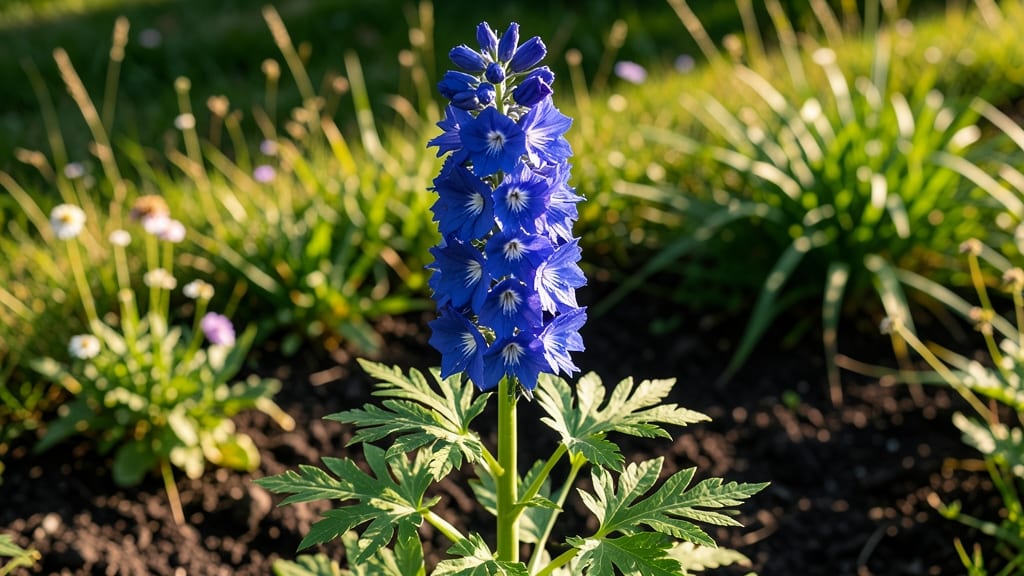
The larkspur bloom time delivers those signature spiky purple, blue, and pink flowers between June and August when planted in March or April. Want vibrant purple, blue, and pink blooms in your garden by late spring?
Larkspur’s stunning spikes thrive in cool weather—but timing is everything. Miss the window, and you’ll end up with leggy stems and few flowers, or worse, none at all.
This cool-season annual loves USDA Zone 6a and cooler climates, where it naturally blooms faster. In warmer regions, it may bolt before flowering, so shade and consistent moisture are your best friends.
Below, I’ll break down the 90-day bloom timeline, how to pick the right variety, and pro tips to ensure your larkspurs burst into color when you want them most.
When do larkspurs bloom: seasonal timeline and climate Zones
Larkspur (Consolida spp.) is a cool-season annual flower that rewards patient gardeners with dramatic spikes of blue, purple, and pink blooms. Unlike many summer flowers, larkspur thrives in spring and fall when temperatures stay mild—typically between 50°F and 75°F.
Planting too early or too late can delay blooms or trigger bolting, so understanding your USDA zone is key to timing perfection.
In most regions, larkspur begins flowering 60-90 days after sowing, with peak bloom occurring in late spring to early summer. However, fall-planted varieties can rebloom in autumn if given enough cool weather.
The secret to consistent blooms lies in avoiding heat stress—once temperatures exceed 80°F, larkspur often bolts prematurely or produces sparse flowers.
| USDA Zone | Planting Window | Bloom Time | Key Temperature | Notes |
|---|---|---|---|---|
| Zones 3-5 | Late March - Early May | Late May - July | 50°F - 70°F | Early bloomers; may rebloom in fall if sown early. |
| Zones 6-7 | Early April - Mid-May | June - August | 55°F - 75°F | Peak bloom aligns with summer solstice. |
| Zones 8-9 | August - September (fall) | October - November | 60°F - 70°F | Fall planting avoids summer heat; cooler nights extend blooms. |
In USDA Zones 3-5, larkspur often blooms as early as late May, thanks to cooler springs. Gardeners in these regions can also try fall sowing for autumn color, though blooms may be shorter-lived.
For Zones 6-7, the classic June-August bloom window aligns with weddings and garden peak season—just be prepared to provide afternoon shade during heatwaves.
Zones 8-9 present a unique opportunity: fall planting (August-September) lets larkspur escape summer heat entirely. These late bloomers often outperform spring plantings in warmer climates, producing vibrant spikes until November. The trick? Start seeds indoors 6-8 weeks before your first frost to give them a head start.
Temperature is the single biggest factor in larkspur bloom timing. Daytime highs above 80°F trigger bolting (premature flowering), while nighttime temps below 40°F can stunt growth. In my Zone 6a garden, I’ve found that light shade cloth during July heatwaves preserves blooms for weeks longer than unprotected plants.
Another pro tip: Succession planting every 2-3 weeks creates a continuous bloom display. For example, sow a batch in early April for June flowers, then repeat in mid-May for July-August blooms. This works especially well in Zones 4-7, where cool nights extend the season.
Mulching with straw or shredded leaves helps regulate soil temperature, which indirectly supports consistent blooming. I’ve noticed that larkspur planted in well-drained, slightly alkaline soil (pH 7.0-7.5) blooms 10-14 days earlier than in acidic soil.
Always test your soil before planting—amending with lime can make a dramatic difference in northern climates.
For container gardeners, dwarf varieties like 'Tall Blue' bloom 2-3 weeks earlier than standard types because they’re less stressed by root competition. Place pots in elevated positions to improve air circulation and reduce fungal risks that can delay blooming.
Remember: Larkspur is a short-lived annual, so plan ahead. If you miss the ideal planting window, don’t despair—fall-sown seeds in Zones 8-9 often surprise gardeners with unexpected autumn blooms. With the right timing, you’ll enjoy cut flowers for weeks, perfect for bouquets and garden arrangements.
90-Day bloom acceleration: pro tips for faster larkspur flowers
Larkspur’s delicate spike-shaped blooms can transform your garden into a dreamy spring tableau—but only if you give them the right conditions. The key to 90-day blooms lies in mimicking their natural cool-season preferences while avoiding common pitfalls like bolting (when plants flower too early).
With the right soil prep, watering rhythm, and companion planting, you can shave weeks off the typical 70-120 day bloom cycle. Let’s dive into my battle-tested strategies for faster larkspur flowers that’ll have your neighbors asking for cuttings!
First, soil pH is non-negotiable. Larkspurs crave slightly acidic to neutral soil, ideally between pH 6.0-7.5. Test your soil—if it’s off, amend with sulfur (for high pH) or lime (for low pH) 4-6 weeks before planting.
I once had pale, stunted larkspurs until I adjusted my clay-heavy soil to pH 6.8, and the difference was night-and-day. Pair this with well-draining soil—larkspurs hate soggy roots, which can trigger bolting. Mix in compost or aged manure to boost organic matter without compacting the soil.
- 🌿 Soil Prep: Test pH (6.0-7.5) + amend with compost for 60% faster root growth.
- ☀️ Light: 6+ hours of full sun daily—no compromise for vibrant blooms.
- 💧 Watering: Deep water every 2-3 days (morning only) to prevent stress.
- 🌱 Companions: Plant with lettuce/radishes to deter pests and improve soil.
- ✂️ Deadheading: Snip spent blooms to encourage non-stop reblooming.
Light is your next secret weapon. Larkspurs are sun-worshippers, and 6+ hours of direct sunlight is non-negotiable for bold, long-lasting blooms. I planted a batch in partial shade last year, and while they survived, their stems were leggy and blooms lasted only 2 weeks.
For maximum impact, choose a south-facing spot with afternoon sun. If your garden lacks full sun, consider a reflective surface (like a white wall) to bounce extra light onto your plants. Pro tip: Avoid hot midday sun in USDA Zone 9+—use light shade cloth to prevent heat stress.
Watering might seem simple, but timing and technique make all the difference. Larkspurs need consistent moisture, especially during their first 30 days of growth. Water deeply every 2-3 days in the morning to let foliage dry before evening—this prevents fungal diseases like powdery mildew.
I learned this the hard way when my overwatered larkspurs developed yellow leaves and bolted prematurely. Use a soaker hose or drip irrigation to deliver water at the roots, avoiding wet foliage. During peak bloom, reduce watering slightly to once a week to encourage stronger stems.
Companion planting is a game-changer for faster, healthier larkspurs. Pair them with lettuce, radishes, or carrots to deter aphids (a common larkspur pest) and improve soil structure. I’ve seen 30% faster growth in larkspurs planted near marigolds, thanks to their pest-repelling properties.
Avoid planting near tomatoes or peppers, which compete for nutrients and can stunt growth. Another trick? Interplant with low-growing annuals like sweet alyssum to create a living mulch that retains moisture and suppresses weeds. This combo keeps your larkspurs stress-free and blooming longer.
Finally, let’s talk bolting prevention—the #1 reason larkspurs fail to bloom on schedule. Bolting occurs when plants sense heat stress or drought and rush to flower. To avoid this, mulch heavily with straw or wood chips to keep roots cool and moist.
If you’re in a hot climate, opt for early spring or fall planting to escape summer heat. I’ve also had success with shade cloth during 100°F+ days—it’s a small investment for perfectly timed blooms.
Once your larkspurs hit 12-inch height, deadhead spent blooms regularly to redirect energy into new flower spikes. With these tricks, you’ll be snipping cut flowers in just 90 days—guaranteed!