
Blooming
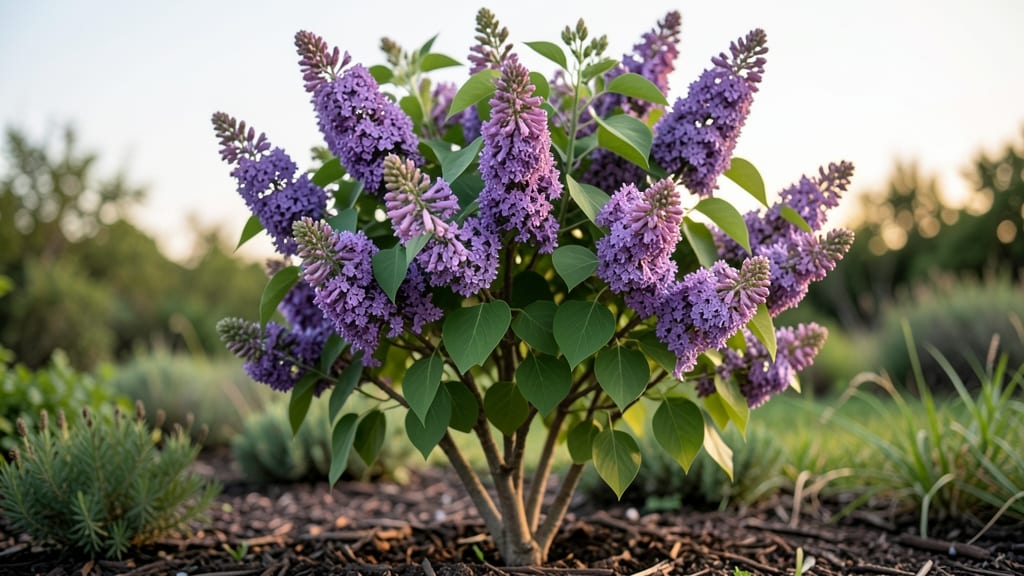
The lilac tree bloom time arrives like clockwork—if you know the right varieties and zones. 🌸 Most bloom in late April to early May, but some start as early as March in warm climates or push into June in cooler areas.
The secret? Matching your lilac to your zone and pruning at the right time ensures those fragrant clusters appear reliably every spring.
Early bloomers like 'Neglect' or 'Dwarf Korean' open their flowers weeks before classic varieties such as 'Katherine Havemeyer' or 'Mme. Lemoine'. Pruning after flowering (never in fall!) keeps blooms abundant, while well-draining soil and full sun set the stage for the best display.
Even a single late frost can delay blooms, so timing matters.
With the right prep, you'll enjoy weeks of intoxicating fragrance and vibrant color. Varieties like 'Bloomerang' even rebloom in summer, giving you a second show. The key is understanding your lilac’s personality—some are early risers, others late bloomers, and all respond to care.
Whether you're in Zone 4 or 8, these tips help you predict—and extend—your lilac’s bloom time. Start by identifying your variety, then adjust pruning and soil care to match its natural rhythm. That first whiff of lilacs in spring is worth the effort.
📚 In This Guide
- What you need
- Instructions
- Tips and common mistakes
- Wrapping up and next steps
What you need
- ● Lilac Tree Variety Guide: Research bloom times by variety (e.g., Syringa vulgaris, Syringa meyeri, or Syringa oblata). Check USDA Plant Hardiness Zone maps (Zones 3–8 for most lilacs).
- ● Planting Tools: Shovel or trowel (for transplanting or pruning)
- ● Garden gloves (to protect hands from thorns)
- ● Pruning shears (sterilized, for shaping after blooms)
- ● Soil & Fertilizer: Well-draining soil mix (amend with compost if needed)
- ● Balanced fertilizer (10-10-10 or slow-release rose/lilac formula)
- ● Watering Supplies: Hose with adjustable nozzle or watering can
- ○ Drip irrigation kit (optional but ideal for consistent moisture)
- ● Mulch (2–3 inches of shredded bark or pine needles to retain moisture)
- ● Pest deterrents (neem oil or insecticidal soap for aphids/caterpillars)
- ● Bloom-time calendar (mark peak weeks for your zone)
- ● Camera or journal (to log bloom progress and variety traits!)
How to time lilac tree blooms for peak fragrance
Predicting when lilacs burst into color means knowing their varieties and your hardiness zone.
☀️ Step 1: Identify Your Lilac Variety and Zone
Lilacs bloom based on their species and your USDA hardiness zone. Early bloomers like Syringa vulgaris (common lilac) typically flower in late April to early May in zones 3-7, while late varieties such as Syringa meyeri (Meyer lilac) may bloom 2-3 weeks later. Check your zone on the USDA map—this determines when buds swell and when to expect those signature purple spikes.
Here's the thing—zone 5 gardeners often see blooms in mid-May, while zone 8 may wait until early June. If you're unsure of your variety, snap a photo of the buds before they open and compare it to online guides. The timing difference between early and late varieties can be as much as 3 weeks, so knowing your plant makes all the difference.
⏰ Step 2: Watch for Bud Swelling
About 2 weeks before blooming, lilac buds will begin to swell noticeably. They'll look plump and slightly fuzzy, almost like tiny purple sausages. This is your first visual cue that the tree is gearing up for its fragrance show. Run your fingers gently over the buds—you'll feel the firmness increase as they prepare to burst open.
Don't skip this step. Many gardeners miss the bud-swelling phase because they're focused on the dramatic blooms, but this is when the magic starts. If your buds stay small or dry out, it could signal stress from last year's pruning or insufficient winter chilling. Lilacs need 600-1,000 hours of temperatures below 45°F to bloom properly, so if you're in a mild-winter zone, you might need to adjust expectations.
🌱 Step 3: Time Blooms Based on Last Year's Performance
Lilacs are remarkably consistent year to year, so track when your tree bloomed last spring. Most varieties bloom on old wood (last year's growth), so they'll follow roughly the same schedule unless you prune incorrectly. If your lilac bloomed in early May last year, expect a similar timeline this year—give or take 3-5 days for weather variations.
Real talk: a late frost can delay blooms by 1-2 weeks, so keep an eye on your local forecast. If a hard freeze is predicted right before bud swell, cover tender buds with a frost cloth at night. The goal is to protect the emerging flowers without smothering the plant—just drape the cloth loosely over the branches.
🌿 Step 4: Extend the Bloom Season with Proper Care
To maximize fragrance and flower duration, water deeply once a week during the growing season (April through June). Lilacs need 1-1.5 inches of water per week, but don't let the soil stay soggy—root rot is a silent killer. Mulch around the base with 2-3 inches of organic mulch (like shredded bark) to retain moisture and regulate soil temperature.
Here's where it gets fun—fertilizing lightly in early spring with a balanced 10-10-10 formula encourages stronger blooms. But don't overdo it: lilacs are low-maintenance and can bloom beautifully with just compost worked into the soil. Over-fertilizing leads to lush foliage but fewer flowers, and you'll miss out on that intoxicating scent.
✂️ Step 5: Prune After Blooming to Time Next Year's Flowers
Prune lilacs immediately after they finish blooming—never in fall or winter. This ensures you're cutting back old wood that's already produced flowers, not next year's buds. Remove 1-3 old stems at the base each year to encourage new growth. The more you prune, the bushier (and more fragrant) your lilac will become over time.
I know it seems counterintuitive, but pruning right after blooms gives you control over timing. If you prune too late, you risk cutting off next year's flower buds. And if you prune too early, you'll sacrifice this year's blooms. Aim to finish pruning by mid-June to give the tree enough time to set buds for next spring.
Tips & tricks for perfect lilac bloom timing
These simple strategies will help you predict—and extend—your lilac's fragrant display with confidence.
Variety and Zone Pairing: Cross-reference your lilac's species with your USDA zone for precise timing. For example, if you're in zone 6 with Syringa vulgaris, expect blooms around mid-May—but if you have Syringa meyeri, plan for late May to early June. Pro tip: Write your variety and zone on the plant tag or a garden marker to avoid annual guesswork. This simple labeling saves hours of research each spring.
Bud Swelling Inspection: The 2-week window before blooming is your best indicator. Gently squeeze the buds—if they feel firm and plump (like overripe plums), they'll open in days. If they're still small or dry, your lilac may need more winter chilling hours. In mild-winter zones (like 8 or 9), consider moving potted lilacs to a cooler spot during winter to accumulate the required 600-1,000 hours below 45°F. This small adjustment can make the difference between sparse blooms and a fragrant spectacle.
Frost Protection Strategy: When bud swell occurs, monitor your local frost forecast closely. If a hard freeze is predicted, drape lightweight frost cloth over the branches at dusk—this creates a barrier without smothering the plant. The key is to secure the cloth loosely so air can circulate. I've seen buds survive temperatures down to 22°F with this method, though the blooms may be slightly delayed. Remove the cloth by mid-morning when temperatures rise above freezing to prevent overheating.
Pruning Precision: When you prune those 1-3 old stems immediately after blooming (Step 5), make clean cuts at a 45-degree angle just above a bud or branch junction. This encourages bushier growth and more blooms next year. Avoid "thinning out" too aggressively—lilacs naturally bloom on old wood, so preserve some mature stems. I always prune on a dry, sunny day to reduce disease risk, and sterilize my pruners with rubbing alcohol between cuts to prevent spreading bacteria.
Pro Tips for Lilac Tree Bloom Time
- These simple strategies will help you predict—and extend—your lilac's fragrant display with confidence.
- Variety and Zone Pairing: Cross-reference your lilac's species with your USDA zone for precise timing.
- Bud Swelling Inspection: The 2-week window before blooming is your best indicator.
Frequently asked questions
Got questions about lilac blooms?
Here are answers to the most common ones—so you can plan your garden with confidence and enjoy those fragrant purple spikes to the fullest!
When do lilac trees typically bloom?
Lilacs usually bloom in late spring, between mid-April and early June, depending on your USDA hardiness zone. Early bloomers (like ‘Katherine Haviland’) may appear in Zone 4 by late April, while later varieties (such as ‘Dwarf Korean’) might wait until May or June in warmer zones (6-9).
How long do lilac flowers last?
Lilac blooms last about 7–14 days, but timing varies by variety. Some, like ‘Miss Canada’, produce long-lasting clusters, while others fade faster. For extended enjoyment, choose repeat-blooming varieties (e.g., ‘Bloomerang’) or prune strategically after the first flush.
Do lilacs bloom at the same time every year?
Not always! Lilacs are sensitive to weather and temperature. A late frost or unusually cold spring can delay blooms, while warm winters may trigger earlier flowering. Monitor local forecasts and consider mulching to protect roots for more consistent blooming.
What if my lilac tree isn’t blooming?
Several factors could be at play: over-pruning (cutting back after blooms), poor sunlight (lilacs need full sun), or nutrient deficiencies. Try fertilizing in early spring with balanced 10-10-10 and avoid heavy pruning until after blooming season. If the tree is young, be patient—it may take 3–5 years to mature.
Can I force lilacs to bloom earlier?
While you can’t guarantee earlier blooms, you can encourage healthier growth with these tips:
- Prune correctly: Remove old wood in late winter/early spring to promote new growth.
- Ensure full sun (6+ hours daily).
- Water deeply during dry spells, especially in the first year.
- Avoid late frosts: Use frost cloths if your area is prone to them.
Wrapping up and next steps
Now that you’re armed with the knowledge of lilac tree bloom times—from early-spring French hybrids to late-blooming Siberian beauties—you can confidently choose the perfect variety for your garden and climate zone.
Whether you’re a patient gardener or eager for instant color, there’s a lilac waiting to fill your space with that iconic fragrance. 🌸
Ready to bring home your dream lilac? Start by visiting a local nursery or checking online plant databases to find varieties that thrive in your area. Happy planting—and enjoy the sweet rewards of a blooming masterpiece! 🌿