
Blooming
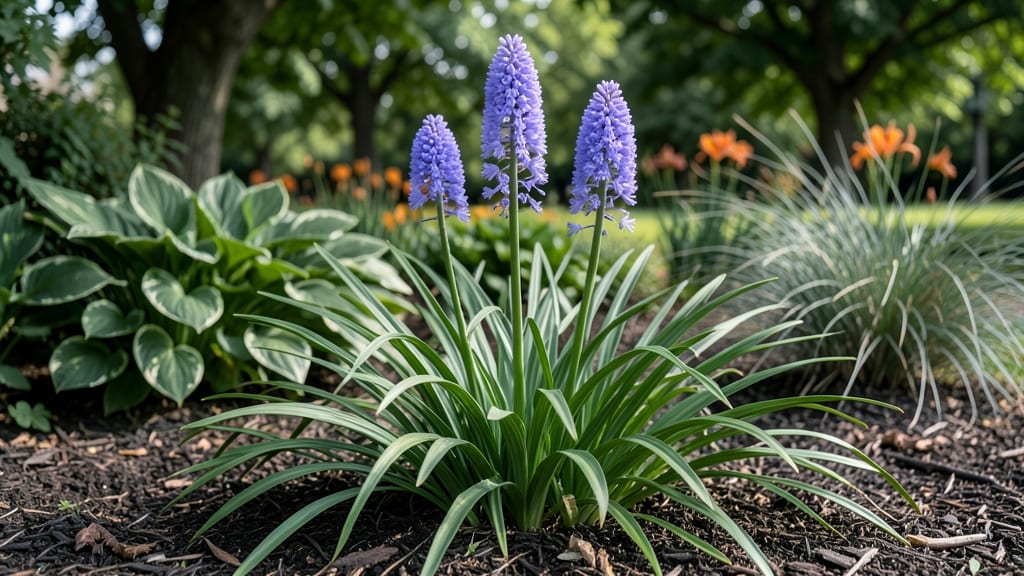
The liriope bloom time in late summer to early fall might be hiding a secret: with the right care, you can coax two bloom cycles a year instead of one.
If you’ve ever admired the striking purple spikes of liriope and wondered why yours only blooms once a year—or not at all—this guide unlocks the secret to doubling your plant’s floral display with simple, science-backed techniques.
The key lies in understanding your liriope’s natural rhythm: too much shade or overwatering can stall blooms, while strategic pruning and fertilizer tweaks can trigger that second flush of flowers.
Below, I’ll break down the seasonal patterns, regional tweaks, and easy adjustments to turn your liriope into a two-time bloomer—no green thumb required.
Natural liriope bloom time: seasonal patterns & climate influences
Liriope (commonly called monkey grass or lily turf) is a hardy perennial that typically produces its signature purple or white flower spikes in late summer to early fall. Understanding these seasonal patterns helps you anticipate blooms and adjust care for optimal results. The timing can shift based on your USDA hardiness zone and local climate conditions.
In temperate climates like Zones 5-9, liriope usually blooms between August and October. The exact timing depends on when your plant receives enough warmth and daylight to trigger flowering. Cooler regions may see blooms slightly later, while warmer areas might flower a few weeks earlier.
Temperature plays a critical role—liriope needs consistent warmth (above 60°F) to initiate blooming. If summer temperatures stay below this threshold, flowering may be delayed or reduced. Daylight hours also matter, as shorter days in late summer signal the plant to produce flowers.
In tropical zones (Zones 10-11), liriope may bloom year-round or in spring and fall due to stable temperatures. Meanwhile, Mediterranean climates with hot, dry summers and mild winters often see blooms in early fall as temperatures begin to drop.
Here’s how sunlight exposure affects bloom time: Full sun (6+ hours) encourages earlier blooms, while partial shade (4-6 hours) may delay flowering slightly. Too little light can stunt growth entirely, reducing flower production.
Soil conditions also influence timing—well-draining, slightly acidic soil (pH 6.0-7.0) supports healthy root development, which is essential for robust flowering. Poor drainage or compacted soil can stress the plant, pushing back bloom time.
| Climate Zone | Typical Bloom Window | Key Influences | Care Adjustments |
|---|---|---|---|
| Zones 5-7 (Cool Temperate) | Late August - October | Cooler summers, shorter days | Extend sunlight to 6+ hours |
| Zones 8-9 (Warm Temperate) | July - September | Longer growing season | Water deeply in drought |
| Zones 10-11 (Tropical) | Spring & Fall (or year-round) | Stable warmth, high humidity | Prune lightly post-bloom |
| Mediterranean (Hot/Dry Summers) | Early Fall (September-October) | Heat stress in peak summer | Mulch to retain moisture |
If your liriope blooms late or not at all, check for nutrient deficiencies. A balanced fertilizer (10-10-10) applied in early spring promotes strong foliage, which supports better flowering. Over-fertilizing with nitrogen can lead to leafy growth at the expense of blooms, so avoid heavy applications in summer.
For regional adjustments, gardeners in arid climates should water deeply but infrequently to encourage deep root growth, which improves resilience and flowering. In humid areas, ensure good airflow to prevent fungal issues that can weaken the plant.
Observing your local microclimate—like a sunny border vs. shaded garden bednorth-facing bed may delay flowering by 2-3 weeks compared to a south-facing spot. Adjust care accordingly to sync blooms with your desired timeline.
Pro tip: Mark your calendar after the first bloom appears. Liriope often produces secondary spikes 2-3 weeks later, especially in ideal conditions. By understanding these patterns, you can plan companion plants to extend your garden’s seasonal interest.
How to force liriope to bloom twice a year: step-by-step triggers
Your liriope’s purple flower spikes are stunning, but if they only appear once a year, you’re missing out on months of color! The secret to double blooming lies in strategic care adjustments that mimic natural triggers.
By tweaking pruning timing, fertilizer schedules, and watering patterns, you can coax your liriope into two vibrant bloom cycles instead of one.
Liriope naturally blooms in late summer to early fall, but with the right approach, you can encourage a second flush in early to mid-spring. The key is balancing growth phases—promoting foliage in spring while reserving energy for flowers in summer and fall.
Let’s break down the exact steps to make this happen in your garden.
Cut back dead foliage in February-March to stimulate new growth. Avoid removing more than 1/3 of the plant.
Apply a balanced 10-10-10 fertilizer in April to fuel foliage growth before the first bloom cycle.
Reduce watering slightly in July-August to stress the plant just enough to trigger fall blooming.
After summer blooms fade, apply a low-phosphorus fertilizer (like 5-5-5) in September to encourage a second flush.
Start by pruning liriope in early spring—this isn’t just about tidying up! Cutting back last year’s dead foliage removes competition for nutrients, allowing the plant to redirect energy into new growth and flower spikes.
Use sharp shears to trim 1/3 of the plant at ground level, but avoid over-pruning, which can delay blooming.
Fertilizer timing is critical for double blooms. In April, apply a balanced 10-10-10 fertilizer to promote lush foliage. Then, after the first bloom cycle in late summer, switch to a low-phosphorus fertilizer to support root health and prepare for the second bloom.
Over-fertilizing with high phosphorus can actually reduce flowering, so moderation is key.
Watering plays a surprising role in triggering blooms. While liriope is drought-tolerant, consistent moisture encourages strong growth. However, in mid-summer, let the soil dry out slightly between waterings.
This mild stress signals the plant to shift from vegetative growth to flower production, setting the stage for your fall blooms.
Finally, don’t forget to mulch around your liriope in late summer. A 2-inch layer of organic mulch retains moisture, regulates soil temperature, and protects roots. This small step can make the difference between one weak bloom cycle and two vibrant displays throughout the year.
With these four key triggers, your liriope will reward you with purple spikes in spring and fall, turning your garden into a year-round showstopper. The best part? These techniques work for both big and dwarf varieties, so every liriope in your landscape can shine twice!