
Blooming
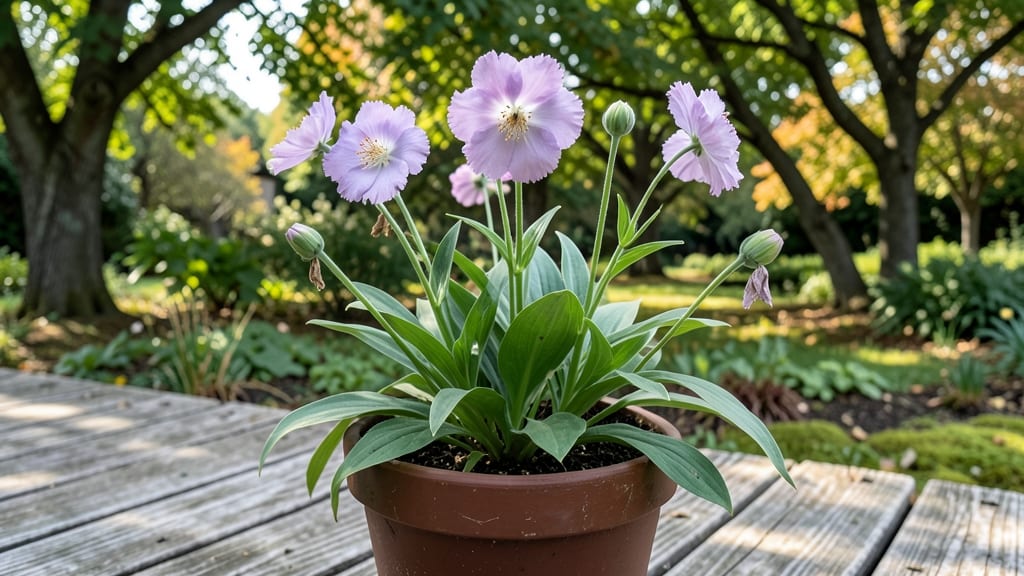
Lisianthus blooms typically stretch from late spring through fall 🌸, but cold-hardy varieties can defy frost and reward gardeners with a second wave of flowers—here’s how timing works.
If you’ve ever watched frost nip your lisianthus blooms just as they peak, you know how heartbreaking it can be. The good news? Some varieties not only survive winter but bounce back with even more vibrant blooms—often in June or July, just as summer kicks in.
In USDA Zone 6a, where frost lingers until mid-April, planting frost-resistant types like ‘Twilly’ or ‘Lavender Lace’ means you can enjoy flowers as early as June and sometimes into October, depending on your microclimate.
Below, I’ll break down the exact bloom windows for cold-hardy lisianthus, how frost timing affects reblooming, and the three varieties that perform best after a freeze—so you can plan your garden for maximum color year after year.
When lisianthus blooms: seasonal timeline for cold-hardy varieties
Cold-hardy lisianthus varieties are a gardener’s secret weapon for extending your bloom season well into fall—and sometimes even reblooming after frost. Unlike tender types that wilt at the first chill, these resilient plants thrive in USDA zones 5-9 and deliver stunning flowers from early summer through frost.
The key lies in understanding their seasonal bloom cycles and how frost timing triggers reblooming.
Most cold-hardy lisianthus varieties follow a predictable pattern: they burst into bloom in late spring to early summer, continue flowering through summer, and often produce a second flush in fall after frost exposure.
Varieties like 'Twilly' and 'Lavender Lace' are early bloomers, while 'Purple Haze' extends the season with frost-tolerant flowers. Let’s break down exactly when to expect blooms and how to maximize your garden’s display.
📅 Seasonal Bloom Timeline for cold-hardy lisianthus varies slightly by region, but this general schedule applies to most varieties in temperate climates:
| Season | Bloom Period | Key Varieties | Frost Impact |
|---|---|---|---|
| Spring | Late May - June | 'Twilly', 'Lavender Lace' | Light frost may delay blooms |
| Summer | July - August | All varieties peak | Heat stress reduces blooms |
| Fall | September - October | 'Purple Haze', 'Blue Magic' | Frost triggers reblooming |
| Winter | Dormant (or light blooms in mild climates) | None (except zone 9+) | Hardy varieties survive |
The magic of cold-hardy lisianthus happens in fall, when a light frost acts like a natural pruning trigger. After summer’s peak, plants enter a dormancy-like state, and the first chill signals them to produce a second round of blooms.
This is why 'Purple Haze' and 'Blue Magic' often deliver their best displays in September and October, long after other annuals have faded.
In USDA zone 5, where frosts arrive early, gardeners can push the season even further by planting cold-hardy varieties like 'Twilly' in early spring. These early bloomers may produce 50-70% more flowers in their first season compared to tender types, making them ideal for cutting gardens or long-lasting bouquets.
The secret? Their deep root systems store energy for rapid regrowth after frost.
If you’re in a warmer zone (7-9), lisianthus may bloom nearly year-round with minimal frost exposure. However, even in these regions, a light frost in late fall can stimulate a final flush of blooms before winter dormancy.
To encourage this, avoid heavy pruning in autumn—just remove dead or damaged foliage and let the plant signal its own reblooming cycle.
One common misconception is that all lisianthus varieties respond the same way to frost. They don’t. Tender types (like 'Blackout') will wilt and die back, while cold-hardy varieties like 'Lavender Lace' may look frost-bitten but bounce back with new growth in 3-4 weeks.
The key difference? Cold-hardy lisianthus stores carbohydrates in its roots, fueling regrowth after cold snaps.
To maximize your lisianthus bloom time, start with well-draining soil and a south-facing location for full sun exposure. In partial shade, blooms may be smaller but last longer. Water consistently—never let the soil dry out completely—and fertilize lightly in spring and summer with a balanced 10-10-10 formula.
Deadhead spent blooms to encourage continuous flowering, but leave some flowers on the plant in late summer to support seed set for next year’s reblooming.
For gardeners in northern climates, consider overwintering cold-hardy lisianthus with a thick layer of mulch (4-6 inches). This protects roots from freezing and ensures a stronger spring rebloom.
In containers, move pots to a sheltered spot or wrap them in burlap to shield from wind and frost. With the right care, your cold-hardy lisianthus can reward you with colorful blooms from June through November—or even later in mild winters.
🌷 Whether you’re a cutting garden enthusiast or simply love long-lasting flowers, cold-hardy lisianthus varieties like 'Twilly' and 'Lavender Lace' are game-changers. Their ability to rebound after frost means you’ll enjoy months of blooms instead of just a single summer display.
Plan your plantings now, and get ready for a garden that stays stunning well into fall!
How frost affects lisianthus bloom time: survival tips for winter gardens
Frost can feel like a death sentence for lisianthus, but some varieties like Purple Haze and Twilly actually thrive after cold snaps. The key lies in their hardiness and how you prepare them for winter's chill.
Unlike tender lisianthus types that wilt below 28°F, these cold-tolerant cultivars can handle USDA Zone 5 temperatures with proper care.
When frost hits, your lisianthus may look damaged, but the roots often survive. The real magic happens in late spring when new growth emerges from the base. This reblooming cycle is why gardeners in Zone 6-7 swear by frost-resistant varieties—they deliver two bloom seasons in one growing year!
⚠️ WARNING: Late Frost Risks for Lisianthus Frost after buds form is the biggest threat—it can blacken blossoms and stunt growth. Even cold-hardy varieties like Blue Magic need protection when temperatures dip below 30°F during late spring. Here’s how to shield your plants:
- Use row covers for light frost protection (up to 25°F)
- Apply mulch (3-4 inches) around the base to insulate roots
- Avoid overhead watering before frost—ice buildup damages stems
Pruning is your secret weapon for triggering reblooms after frost. When new growth appears in early spring, cut back dead stems to 2-3 inches above the ground. This redirects energy to fresh shoots and encourages denser, longer-lasting blooms. For varieties like Lavender Lace, this technique can extend the bloom season by 4-6 weeks!
Timing matters most when it comes to frost protection. If you’re in Zone 5-6, wait until after Memorial Day to plant tender lisianthus varieties. For cold-hardy types, you can push planting to mid-April—just be ready to cover them if a late frost sneaks in.
A simple frost cloth can make all the difference.
Post-frost care focuses on watering and feeding. After a cold snap, water deeply to revive stressed roots, then apply a balanced fertilizer (10-10-10) when new leaves emerge.
This jumpstarts growth and ensures your lisianthus recovers faster. For maximum blooms, repeat this process every 4-6 weeks during the growing season.
Don’t let frost fool you—lisianthus can be a year-round performer with the right variety and care. By choosing cold-tolerant types and mastering these survival tips, you’ll enjoy vibrant blooms from spring to fall, even after winter’s worst.
The secret? Prepare early, protect wisely, and prune strategically—your garden will thank you with stunning, frost-resistant flowers!